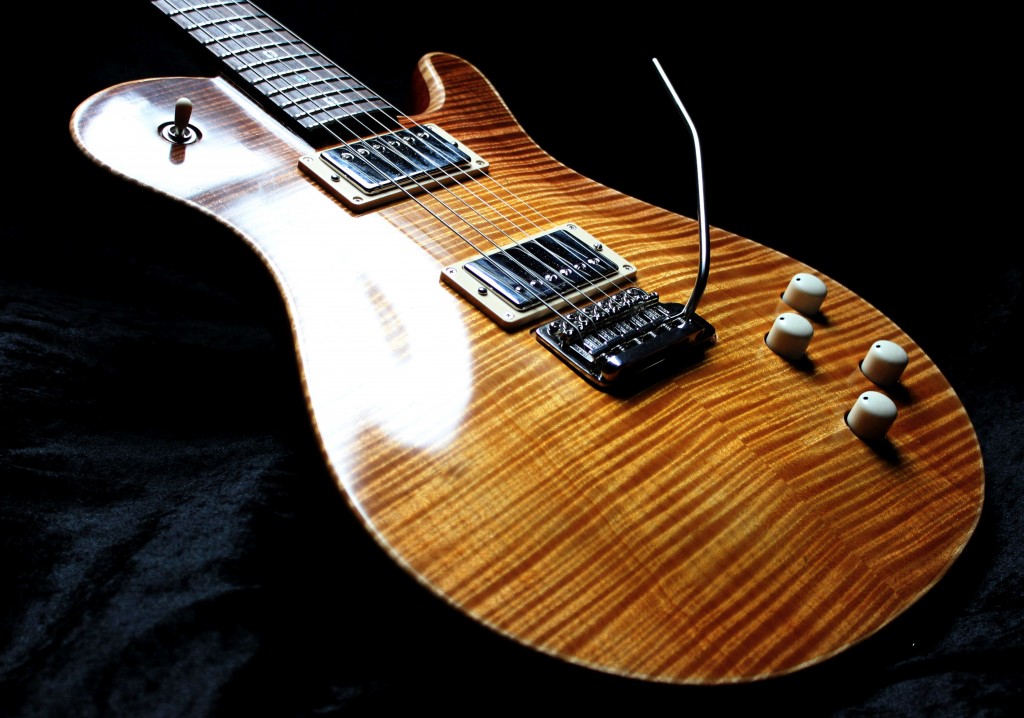
Guitar Paint Kit: Unleash Your Inner Luthier with DIY Guitar Customization
Introduction
For guitar enthusiasts seeking a transformative experience, guitar paint kits offer an unparalleled opportunity to personalize and elevate their beloved instruments. These comprehensive kits provide all the necessary materials and guidance to embark on a captivating journey of guitar customization, empowering players to unleash their creativity and create truly unique masterpieces.
Understanding Guitar Paint Kits
Guitar paint kits are meticulously curated packages that include everything required for a successful guitar painting project. Typically, they comprise:
- High-quality paint in a range of colors and finishes
- Primers and sealants to ensure durability and protection
- Sandpaper for surface preparation and finishing
- Brushes, sponges, and other application tools
- Detailed instructions and guidance
Benefits of Using Guitar Paint Kits
Embarking on a guitar painting project with a dedicated kit offers numerous advantages:
- Cost-effective: Kits provide a comprehensive solution at a fraction of the cost of professional refinishing services.
- Convenience: All necessary materials are conveniently packaged together, eliminating the need for separate purchases.
- Customization: Kits empower players to personalize their guitars to their exact specifications, creating truly unique instruments.
- Educational: The process of painting a guitar provides valuable insights into the intricacies of guitar construction and finishing techniques.
- Artistic expression: Guitar painting allows players to express their creativity and create instruments that reflect their personal style and musical aspirations.
Step-by-Step Guide to Guitar Painting
1. Preparation
- Remove all hardware, including strings, tuners, pickups, and electronics.
- Thoroughly clean the guitar body and neck with a degreaser to remove dirt and oils.
- Sand the surface lightly with fine-grit sandpaper to create a smooth and receptive base.
2. Priming
- Apply a thin coat of primer to the guitar body and neck.
- Allow the primer to dry completely according to the manufacturer’s instructions.
- Sand the primed surface lightly to remove any imperfections.
3. Painting
- Choose the desired paint color and finish.
- Apply thin, even coats of paint, allowing each coat to dry thoroughly before applying the next.
- Use multiple coats to achieve the desired opacity and depth of color.
4. Sealing
- Once the paint is completely dry, apply a clear sealant to protect the finish.
- Choose a sealant that is compatible with the paint used.
- Allow the sealant to dry completely according to the manufacturer’s instructions.
5. Reassembly
- Once the finish is fully cured, reassemble the guitar with the hardware.
- String the guitar and tune it to the desired pitch.
Tips for Successful Guitar Painting
- Use high-quality materials for optimal results.
- Work in a well-ventilated area to avoid inhaling paint fumes.
- Allow ample drying time between coats to ensure proper adhesion.
- Practice on a scrap piece of wood before painting the actual guitar.
- Seek professional guidance if necessary, especially for complex designs or intricate finishes.
Conclusion
Guitar paint kits empower guitarists to transform their instruments into works of art, reflecting their unique style and musical aspirations. By following the steps outlined above and utilizing high-quality materials, players can embark on a rewarding journey of guitar customization, creating truly one-of-a-kind masterpieces that will inspire and delight for years to come.
Post a Comment for "Guitar Paint Kit: DIY Guitar Customization"