Unlocking the Potential of Your Furniture: A Comprehensive Guide to Formby’s Paint and Poly Remover

Table of Content
Formby’s Paint and Poly Remover is a renowned product among furniture refinishers and DIY enthusiasts alike. Its effectiveness in stripping away layers of paint, varnish, and polyurethane has made it a staple in many workshops and homes. However, achieving optimal results with Formby’s requires a thorough understanding of its properties, application techniques, and safety precautions. This comprehensive guide will delve into the intricacies of using Formby’s Paint and Poly Remover, equipping you with the knowledge and confidence to transform your furniture pieces into cherished heirlooms.
Understanding Formby’s Paint and Poly Remover
Formby’s is a chemical-based stripper designed to remove multiple layers of finishes from wood surfaces. It’s a powerful solvent that breaks down the chemical bonds holding paint and varnish together, allowing them to be easily scraped away. The key ingredient in Formby’s is methyl ethyl ketone (MEK), a powerful solvent known for its effectiveness in removing various coatings.
Types of Formby’s Products
Formby’s offers a range of products tailored to different refinishing needs. Understanding the differences between these products is crucial for choosing the right one for your project:
- Formby’s Paint and Poly Remover: The original formula, designed to remove multiple layers of paint, varnish, and polyurethane from wood surfaces.
- Formby’s Tung Oil Finish: A natural oil finish that provides a durable and protective coating for wood.
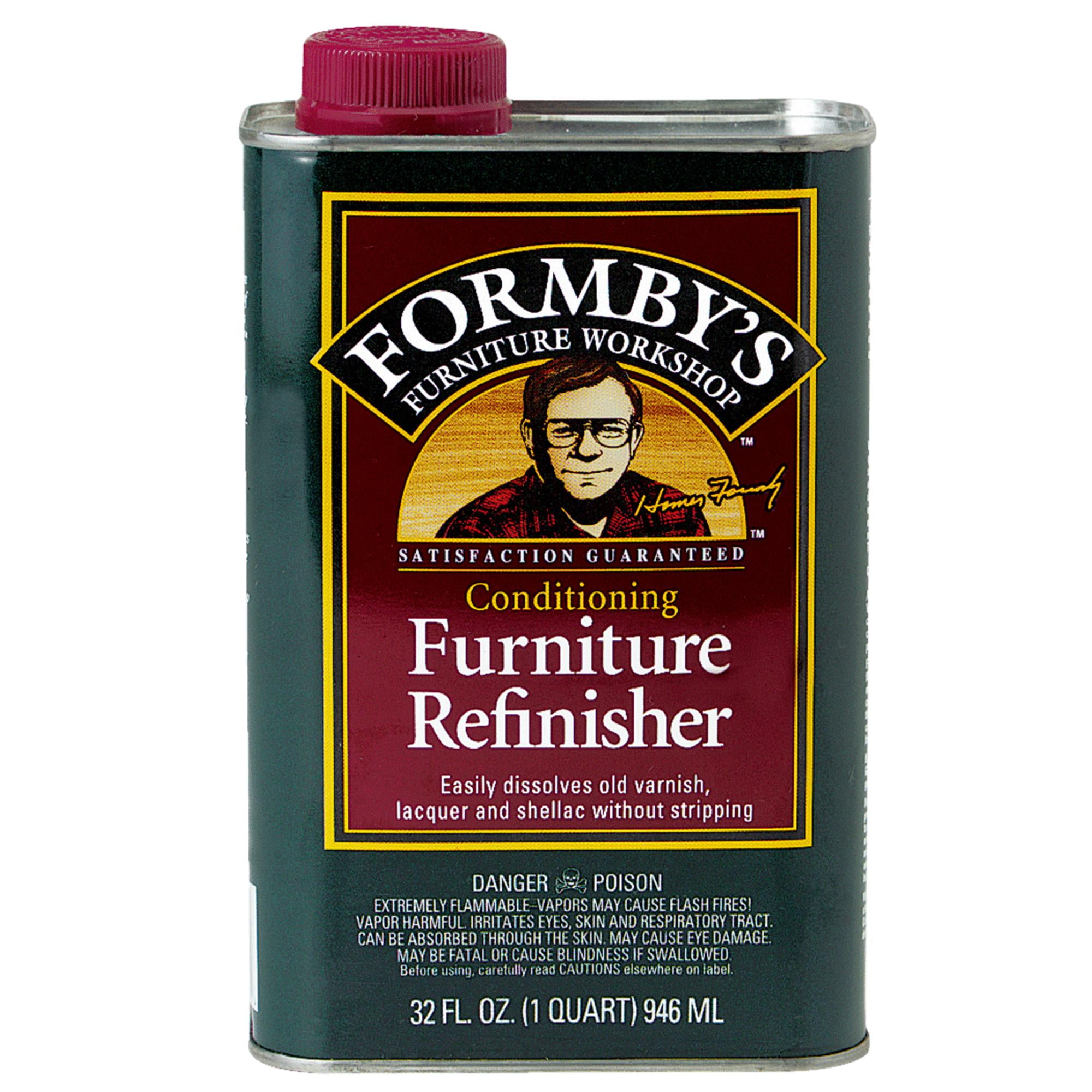
- Formby’s Furniture Refinisher: A one-step solution for restoring and refreshing the finish of furniture without stripping.
- Formby’s Furniture Cleaner: A gentle cleaner for removing dirt, grime, and fingerprints from furniture surfaces.
Choosing the Right Formby’s Product
Before embarking on your refinishing journey, carefully assess the specific needs of your project:
- Type of Finish: Determine whether you need to remove paint, varnish, polyurethane, or a combination of these finishes.
- Number of Layers: Consider the number of layers you need to remove. Formby’s is effective on multiple layers, but thick layers may require multiple applications.
- Wood Type: Some wood types are more sensitive to solvents than others. If working with delicate woods, test Formby’s on an inconspicuous area first.
- Desired Outcome: Decide whether you want to completely strip the finish or simply refresh it.

Safety Precautions: Prioritizing Your Well-being
Formby’s is a powerful solvent and should be handled with caution:
- Ventilation: Always work in a well-ventilated area. Formby’s releases strong fumes that can be harmful if inhaled.
- Gloves: Wear protective gloves to prevent skin contact. Formby’s can irritate and dry out the skin.
- Eye Protection: Wear safety glasses or goggles to protect your eyes from splashes.
- Avoid Ingestion: Keep Formby’s away from food and drink. In case of accidental ingestion, seek immediate medical attention.
- Storage: Store Formby’s in a tightly sealed container in a cool, dry place, away from heat and direct sunlight.
Preparing Your Furniture for Refinishing
Before applying Formby’s, proper preparation is key to ensuring a successful outcome:
- Cleaning: Thoroughly clean the furniture surface with a mild soap and water solution to remove any dirt, grime, or wax.
- Masking: Use painter’s tape to mask areas you don’t want to strip, such as hardware, inlays, or delicate details.
- Protection: Cover surrounding areas with drop cloths or plastic sheeting to prevent accidental spills.
Applying Formby’s Paint and Poly Remover
With your furniture prepared, follow these steps for applying Formby’s:
- Application: Apply a generous layer of Formby’s to the surface using a paintbrush, sponge, or a clean cloth.
- Dwell Time: Allow the Formby’s to dwell on the surface for the recommended time, typically 15-30 minutes. This allows the solvent to penetrate the finish and break down its chemical bonds.
- Scraping: Use a scraper or putty knife to remove the softened finish. Work in small sections and apply gentle pressure to avoid damaging the wood.
- Neutralization: Once the finish is removed, neutralize the surface with a solution of water and baking soda. This will help prevent any residual Formby’s from harming the wood.
- Rinse: Rinse the surface thoroughly with water to remove any remaining residue.
Tips for Effective Application
- Multiple Applications: For multiple layers of finish, you may need to repeat the application process several times.
- Test Area: Always test Formby’s on an inconspicuous area first to ensure compatibility with the wood and desired outcome.
- Avoid Over-Saturation: Applying too much Formby’s can make scraping difficult and may damage the wood.
- Scrape with the Grain: Scrape in the direction of the wood grain to avoid scratching the surface.
Finishing Touches: Enhancing Your Furniture’s Beauty
Once the stripping process is complete, you can enhance your furniture’s beauty with various finishing techniques:
- Sanding: Lightly sand the surface with fine-grit sandpaper to remove any remaining residue and prepare it for the final finish.
- Staining: Apply a wood stain to enhance the natural color of the wood or create a desired hue.
- Sealing: Apply a sealant, such as polyurethane or varnish, to protect the wood from moisture, scratches, and UV damage.
Troubleshooting Common Issues
- Finish Not Coming Off: If the finish is not coming off easily, try leaving Formby’s on longer or using a heat gun to soften the finish.
- Wood Damage: If the wood is damaged during the scraping process, try using a softer scraper or a sanding block to remove the remaining finish.
- Uneven Finish: If the finish is uneven, repeat the application process and pay close attention to the dwell time.
Alternatives to Formby’s
While Formby’s is a popular choice for furniture refinishing, there are other options available:
- Citristrip: A citrus-based stripper that is less harsh than chemical-based strippers.
- Klean Strip: A strong chemical stripper that can remove multiple layers of paint and varnish.
- Paint Thinner: A solvent that can be used to remove oil-based paints and varnishes.
Conclusion: Transforming Your Furniture with Formby’s
Formby’s Paint and Poly Remover is a powerful tool for transforming your furniture. By understanding its properties, application techniques, and safety precautions, you can unlock its potential and achieve professional-looking results. Remember to prioritize safety, prepare your furniture properly, and apply Formby’s with care. With a little patience and practice, you can restore your furniture pieces to their former glory and create lasting heirlooms.

Unlocking the Potential of Your Furniture: A Comprehensive Guide to Formby’s Paint and Poly Remover
Post a Comment for "Effectively Using Formby's Paint And Poly Remover For Furniture Refinishing"