Engine Bay Paint Ideas: Customize and Protect Your Car

Table of Content
- 1 Engine Bay Paint Ideas: Customize and Protect Your Car
- 1.1 Why Paint Your Engine Bay?
- 1.2 Preparing the Engine Bay for Painting
- 1.3 Engine Bay Paint Ideas: Exploring the Options
- 1.4 Techniques for Achieving a Professional Finish
- 1.5 Protecting Your Painted Engine Bay
- 1.6 Cost Considerations
- 1.7 Conclusion
The engine bay, often overlooked, is a crucial part of your car’s aesthetic and functionality. A well-maintained engine bay not only enhances the visual appeal but also protects your car’s components from corrosion and wear. This article explores various engine bay paint ideas, offering insights into customization, protection, and achieving a show-stopping look.
Why Paint Your Engine Bay?
Beyond the aesthetic appeal, painting your engine bay offers several practical benefits:
- Protection: A fresh coat of paint acts as a barrier against corrosion, safeguarding vital components from the elements and preventing rust formation.
- Enhanced Appearance: A clean, painted engine bay significantly elevates the overall visual appeal of your car, particularly when the hood is open.
- Improved Resale Value: A well-maintained engine bay can boost your car’s resale value, as potential buyers often perceive it as a sign of meticulous care.
- Personalization: It allows you to express your individuality and showcase your unique style.
Preparing the Engine Bay for Painting

Before embarking on the painting process, meticulous preparation is paramount to achieving a professional and durable finish.
- Thorough Cleaning: Begin by thoroughly cleaning the engine bay, removing dirt, grease, and grime using a degreaser and a high-pressure washer. Ensure all components are clean and free from debris.
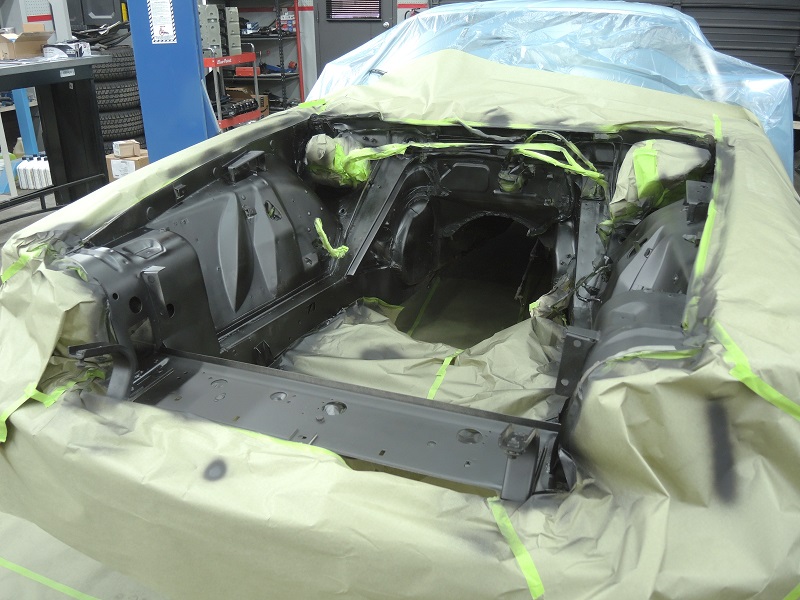
- Masking and Protection: Cover delicate components like electrical wiring, hoses, and sensors with masking tape and plastic sheeting to prevent paint overspray.
- Sanding and Primer: Lightly sand the existing paint to create a rough surface for the new paint to adhere to. Apply a primer to provide a smooth and uniform base for the final coat.
- Choosing the Right Paint: Select a high-quality engine enamel paint designed to withstand extreme temperatures and harsh conditions. Consider factors like color, finish, and durability.
Engine Bay Paint Ideas: Exploring the Options
The possibilities for engine bay customization are boundless. Here’s a breakdown of popular paint ideas, catering to diverse preferences:
1. Classic Black: A timeless and elegant choice, black paint provides a sleek and sophisticated look, enhancing the engine bay’s depth and contrast.

2. Vibrant Colors: Unleash your creativity with bold and vibrant colors, adding a splash of personality to your engine bay. Consider eye-catching shades like red, blue, green, or orange for a dramatic effect.
3. Metallic Finishes: Metallic paints, such as silver or gold, create a luxurious and shimmering effect, adding a touch of opulence to your engine bay.
4. Textured Finishes: For a unique and rugged look, explore textured finishes like wrinkle paint or hammertone paint, offering a distinct visual appeal.
5. Two-Tone Combinations: Combine two contrasting colors for a visually striking effect. For instance, a black base with red accents or a silver base with blue highlights.
6. Custom Graphics: Personalize your engine bay with custom graphics, decals, or logos, reflecting your interests or brand identity.
7. Engine Bay Detailing: Beyond paint, enhance the engine bay’s appearance with meticulous detailing. Consider using chrome paint for accents, polishing metal components, and adding protective coatings.
Techniques for Achieving a Professional Finish
To ensure a flawless and durable finish, consider these techniques:
- Spray Painting: For a smooth and even application, use a spray gun with the appropriate nozzle size and paint pressure.
- Brush Painting: While less precise than spraying, brush painting can be effective for smaller areas and intricate details.
- Professional Assistance: For a truly professional finish, consider seeking the expertise of a body shop or automotive painter.
Protecting Your Painted Engine Bay
Once the paint is dry, it’s crucial to protect your investment with proper maintenance:
- Regular Cleaning: Regularly clean the engine bay with a gentle cleaner and a soft brush to prevent dirt and grime buildup.
- Heat Protection: Avoid using high-pressure washers directly on the painted surface, as the heat can damage the paint.
- Corrosion Protection: Apply a protective coating, such as wax or sealant, to enhance the paint’s durability and resistance to corrosion.
Cost Considerations
The cost of painting your engine bay varies depending on factors such as the extent of preparation, the type of paint used, and whether you do it yourself or hire a professional.
DIY Paint Kit: $50 – $150
Professional Paint Job: $200 – $500
Conclusion
Painting your engine bay is a rewarding project that enhances your car’s aesthetics, protects vital components, and allows you to express your individuality. By following the guidelines outlined in this article, you can achieve a stunning and durable finish that will turn heads and make your car stand out from the crowd. Remember, proper preparation, meticulous application, and ongoing maintenance are key to a successful and long-lasting result.
Engine Bay Paint Ideas: Customize and Protect Your Car
Post a Comment for "Engine Bay Paint Ideas: Customize And Protect Your Car"