Mastering the Mop Brush: A Watercolorist’s Guide to Stunning Results

The mop brush, with its generous, rounded head and soft, absorbent bristles, offers a unique and expressive approach to watercolor painting. Its versatility allows for a wide range of effects, from smooth washes to bold strokes, making it a beloved tool among artists of all levels. This comprehensive guide delves into the nuances of using a mop brush, equipping you with the knowledge and techniques to unlock its full potential and create truly stunning watercolor masterpieces.
Understanding the Mop Brush: A Versatile Tool for Watercolor
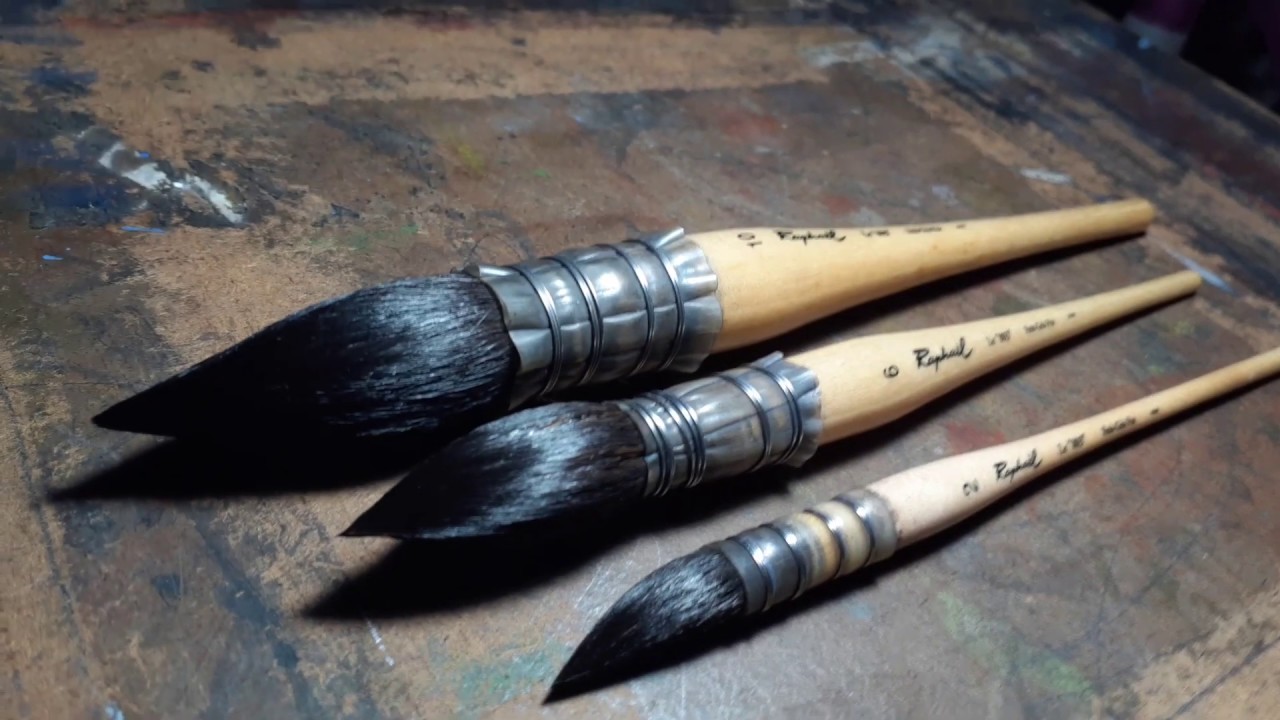
The mop brush, characterized by its large, rounded head and soft bristles, is a highly versatile tool in the watercolorist’s arsenal. It excels in creating smooth washes, blending colors seamlessly, and achieving a variety of textural effects.
Key Features of a Mop Brush:
- Large, Rounded Head: The generous size allows for quick coverage, making it ideal for large washes and background areas.
- Soft, Absorbent Bristles: The soft bristles pick up and release paint evenly, facilitating smooth transitions and blending.
- Variety of Sizes: Mop brushes come in a range of sizes, offering flexibility for different scales and details.
Choosing the Right Mop Brush:

Selecting the appropriate mop brush depends on your intended application and desired effect. Here’s a breakdown of popular mop brush sizes and their uses:
- Small Mop Brushes: Ideal for detail work, delicate washes, and small areas.
- Medium Mop Brushes: Versatile for a range of tasks, including washes, blending, and creating textural effects.
- Large Mop Brushes: Best for covering large areas, creating backgrounds, and achieving broad strokes.
Mop Brush Techniques: Unveiling its Artistic Potential
The beauty of the mop brush lies in its adaptability. Mastering a few fundamental techniques will unlock its full artistic potential, allowing you to create a wide range of expressive effects.
1. Smooth Washes:
- Loading the Brush: Dip the mop brush into your chosen watercolor paint, ensuring the bristles are well-saturated.
- Applying the Wash: Gently glide the brush across the paper, maintaining a consistent pressure and direction.
- Blending Colors: While the wash is still wet, use a clean, damp mop brush to blend colors seamlessly, creating soft transitions.

2. Textural Effects:
- Dabbing: Use a light, dabbing motion with the mop brush to create textured washes, resembling clouds or foliage.
- Dragging: Drag the brush across the paper, applying pressure to create textured lines and strokes.
- Layering: Apply multiple washes, allowing each layer to dry slightly before applying the next, creating depth and complexity.
3. Creating Edges:
- Hard Edges: To achieve defined edges, use a dry mop brush and apply pressure to the edge of the wash.
- Soft Edges: For softer transitions, use a damp mop brush and blend the edges of the wash with a clean, damp brush.
4. Wet-on-Wet Techniques:
- Wet-on-Wet Wash: Apply a wash of watercolor paint to wet paper, allowing the colors to bleed and blend naturally.
- Wet-on-Wet Glazing: Apply thin layers of watercolor paint over a wet wash, building up color and depth.
5. Using the Mop Brush with Other Brushes:
- Combining with Round Brushes: Use a round brush to create details and highlights within washes created with a mop brush.
- Combining with Flat Brushes: Employ a flat brush for precise lines and edges, complementing the broad strokes of a mop brush.
Mop Brush Painting Tips for Stunning Results:
- Prepare Your Paper: Use high-quality watercolor paper, which provides a smooth surface and absorbs water evenly.
- Use Quality Watercolors: Invest in artist-grade watercolors, known for their vibrant colors and lightfastness.
- Experiment with Water-to-Paint Ratio: Adjust the amount of water used to achieve desired transparency and intensity.
- Practice Regularly: Regular practice with the mop brush will improve your control and confidence.
- Don’t Be Afraid to Experiment: Explore different techniques and approaches to discover your unique style.
Mastering the Mop Brush: A Journey of Exploration and Creativity
The mop brush is a powerful tool that can elevate your watercolor paintings to new heights. By understanding its nuances and mastering the techniques described above, you can unleash its full artistic potential and create breathtaking works of art. Embrace the journey of exploration and experimentation, and let the mop brush guide you to stunning results.
Beyond the Basics: Advanced Mop Brush Techniques
For those seeking to further refine their mop brush skills, here are some advanced techniques to explore:
- Salt Resist: Sprinkle salt crystals onto a wet wash, allowing the salt to absorb water and create unique textures and patterns.
- Masking Fluid: Use masking fluid to protect certain areas of the paper from paint, creating sharp edges and interesting shapes.
- Lifting Techniques: Use a damp brush or sponge to lift paint from the paper, creating highlights and subtle transitions.
- Scumbling: Create a textured effect by applying layers of paint with a dry mop brush, allowing some of the previous layer to show through.
- Dry Brushing: Apply a small amount of paint to a dry mop brush and use a light, sweeping motion to create delicate textures and highlights.
Mop Brush Painting Inspiration:
- Landscapes: Use the mop brush to create vast skies, rolling hills, and flowing rivers.
- Floral Subjects: Capture the delicate beauty of flowers with soft washes and textured strokes.
- Abstract Art: Explore the expressive possibilities of the mop brush for abstract compositions.
- Portraiture: Use the mop brush to create subtle shading and blending for realistic portraits.
Mop Brush Painting Resources:
- Online Tutorials: Numerous online resources offer step-by-step tutorials on using a mop brush for various subjects and techniques.
- Books: Explore books dedicated to watercolor painting, which often feature sections on mop brush techniques.
- Workshops: Attend workshops led by experienced watercolor artists to gain hands-on experience and receive personalized guidance.
Conclusion: Embracing the Mop Brush for Creative Expression
The mop brush is a valuable tool for any watercolor artist, offering a unique combination of versatility, expressiveness, and artistic potential. By mastering its techniques and embracing its possibilities, you can create stunning watercolor paintings that reflect your personal style and inspire awe in viewers. So, grab your mop brush, embrace the creative journey, and unlock the full potential of this remarkable tool.

Mastering the Mop Brush: A Watercolorist’s Guide to Stunning Results
Post a Comment for "Mop Brush Watercolor Painting: Tips For Stunning Results"