Mastering the Blue Flame: A Comprehensive Guide to Creating a Realistic Paint Effect

Table of Content
- 1 Mastering the Blue Flame: A Comprehensive Guide to Creating a Realistic Paint Effect
- 1.1 Understanding the Nature of Blue Flames
- 1.2 Choosing the Right Tools and Materials
- 1.3 The Foundation: Creating the Base Color
- 1.4 Building the Flame: Adding Depth and Dimension
- 1.5 Enhancing Realism: Adding Details and Refinements
- 1.6 Mastering the Technique: Advanced Blue Flame Effects
- 1.7 Blue Flame Painting: A Creative Journey
The allure of a blue flame lies in its ethereal beauty and captivating intensity. Capturing this essence in paint is a challenge that rewards the artist with a stunning and unique visual. This guide provides a comprehensive breakdown of the techniques and nuances involved in creating a realistic blue flame paint effect, from foundational knowledge to advanced techniques, ensuring you can achieve a fiery masterpiece.
Understanding the Nature of Blue Flames
Before embarking on the artistic journey, it’s essential to grasp the fundamental characteristics of blue flames. Unlike the warm, orange hues of a typical fire, blue flames are born from high-temperature combustion. This intense heat excites the molecules within the flame, causing them to emit light in the blue spectrum.
Key Characteristics:
- Color: Blue flames are primarily characterized by their vibrant blue hue, ranging from deep indigo to a lighter sky blue, depending on the fuel and temperature.
- Shape: Blue flames often exhibit a more pointed, elongated shape, contrasting with the rounded, dancing forms of traditional flames.
- Intensity: The intensity of a blue flame is directly related to its temperature, with hotter flames appearing brighter and more luminous.
Choosing the Right Tools and Materials

Selecting the right tools and materials is crucial for achieving a successful blue flame paint effect. The specific choices will depend on your desired level of realism and the medium you’re working with.
Paint:
- Acrylics: Versatile and readily available, acrylic paints offer excellent coverage, quick drying times, and a wide range of blue hues.
- Watercolors: Provide a more translucent and ethereal effect, allowing for layering and blending, capturing the delicate nature of a blue flame.
- Oils: Offer a rich, smooth texture and a longer drying time, ideal for detailed work and capturing the subtle nuances of light and shadow.

Brushes:
- Round brushes: Essential for creating the core of the flame and its subtle curves.
- Flat brushes: Useful for blocking in large areas of color and creating smooth transitions.
- Angular brushes: Ideal for capturing sharp edges and creating dynamic strokes.

Additional Tools:
- Palette knife: For blending colors, creating texture, and adding depth to the flame.
- Masking tape: For creating clean edges and defining specific areas.
- Paper towels: For blending, cleaning up excess paint, and achieving a textured effect.
The Foundation: Creating the Base Color
Begin by establishing the base color of your blue flame. This serves as the foundation upon which you’ll build the intensity and depth of the flame.
Color Palette:
- Primary Blue: Choose a vibrant blue, such as ultramarine, cobalt blue, or cerulean blue, as the base color for your flame.
- Secondary Blues: Consider incorporating lighter and darker shades of blue to create depth and dimension.
Application Techniques:
- Layering: Apply thin, transparent layers of blue paint, gradually building up intensity and depth.
- Blending: Use a clean brush or a palette knife to blend the colors smoothly, creating a natural transition between shades.
- Dry Brushing: Lightly brush a dry brush over the base color to add subtle texture and highlight areas of intense heat.
Building the Flame: Adding Depth and Dimension
Once the base color is established, it’s time to add depth and dimension to your blue flame, capturing its dynamic shape and intense light.
Techniques:
- Highlighting: Use a lighter blue or even white to highlight the edges of the flame, creating a sense of luminosity and heat.
- Shading: Introduce darker blues or even black to create shadows and define the shape of the flame.
- Texture: Employ a variety of brushstrokes, including thin lines, thick strokes, and even stippling, to create a realistic texture and movement within the flame.
Example:
Imagine a blue flame emanating from a gas stove. The base color would be a vibrant blue, with lighter blues highlighting the edges of the flame where it meets the air. Deeper blues would be used to create shadows around the base of the flame, adding depth and realism.
Enhancing Realism: Adding Details and Refinements
To elevate your blue flame paint effect to a higher level of realism, incorporate details and refinements that capture the essence of a real flame.
Techniques:
- Embers: Add small, glowing embers to the base of the flame, using a bright orange or yellow paint.
- Smoke: Create wispy trails of smoke using a light gray or blue paint, adding a dynamic element to the composition.
- Reflections: Paint subtle reflections of the blue flame on surrounding surfaces, enhancing the sense of light and heat.
Example:
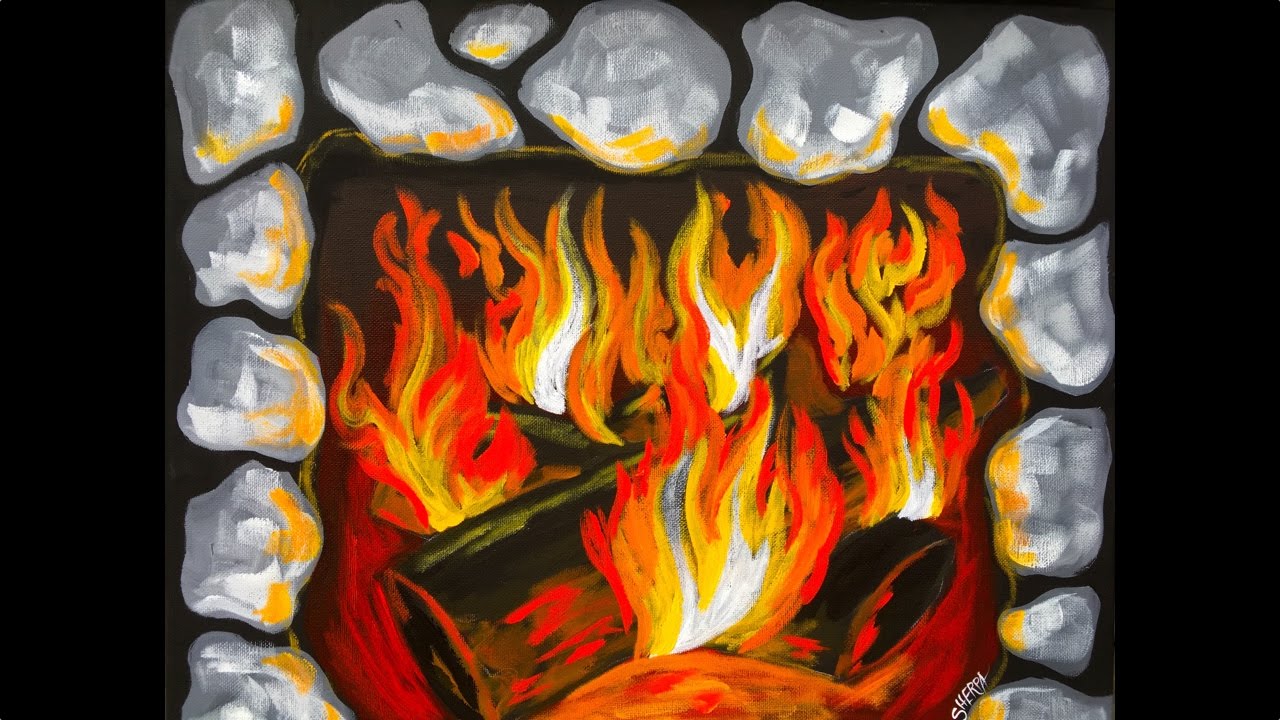
Consider a blue flame burning in a fireplace. Add glowing embers at the base of the flame, simulating the burning wood. Create wispy trails of smoke rising from the flame, adding a sense of movement and realism. Finally, paint subtle reflections of the blue flame on the surrounding brickwork, capturing the intensity of the light.
Mastering the Technique: Advanced Blue Flame Effects
For those seeking to push the boundaries of blue flame painting, consider these advanced techniques:
1. Abstract Blue Flames: Explore abstract expressions of blue flames through gestural brushstrokes, bold color combinations, and unexpected shapes.
2. Blue Flames in Motion: Capture the dynamic movement of blue flames by using techniques like layering, blending, and dripping paint.
3. Blue Flames with Mixed Media: Integrate different materials, such as metallic paints, glitter, or textured mediums, to create unique and captivating blue flame effects.
4. Blue Flames in Different Environments: Experiment with painting blue flames in various settings, such as a starry night sky, a bubbling cauldron, or a futuristic cityscape.
Blue Flame Painting: A Creative Journey
Creating a realistic blue flame paint effect is an exciting and rewarding artistic journey. By understanding the nature of blue flames, selecting the right tools and materials, and employing a range of techniques, you can capture the essence of this captivating phenomenon on canvas. Embrace the creative process, experiment with different approaches, and allow your imagination to ignite as you bring the beauty of the blue flame to life.
Mastering the Blue Flame: A Comprehensive Guide to Creating a Realistic Paint Effect
Post a Comment for "Creating A Blue Flame Paint Effect: Step-by-Step"