Mastering Oil on Board: Techniques for Rich Texture and Depth
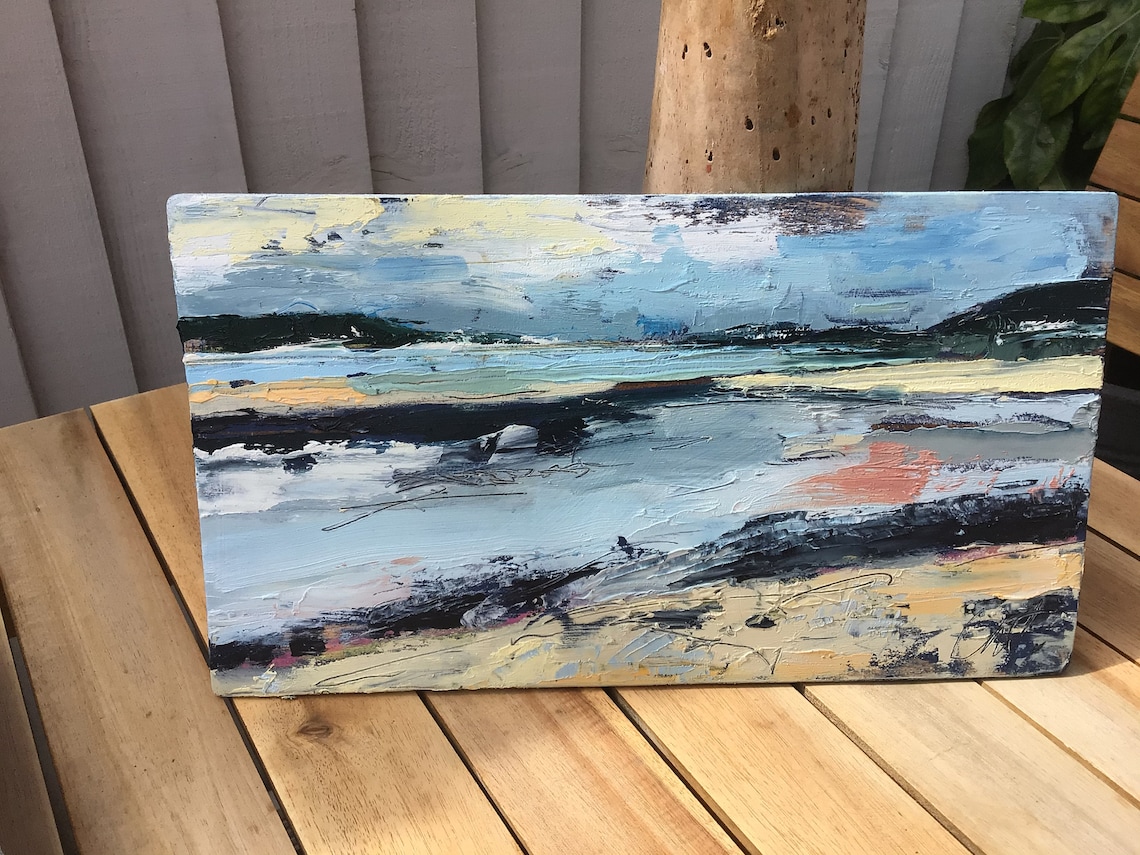
Table of Content
Oil on board, a versatile and enduring medium, offers artists a unique blend of control and expressiveness. Its inherent properties allow for rich textures, vibrant colors, and captivating depth, making it a favorite among both beginners and seasoned artists. This comprehensive guide delves into the intricacies of oil on board painting, exploring techniques that elevate your art to new heights.
Choosing the Right Board:
The foundation of your artwork lies in the board itself. Opt for a smooth, stable surface that can withstand the weight of oil paint and the rigors of layering. Popular choices include:
- MDF (Medium-Density Fiberboard): Affordable and readily available, MDF offers a smooth, consistent surface ideal for detailed work.
- Hardboard: Known for its durability and resistance to warping, hardboard provides a solid foundation for larger paintings.
- Canvas Board: Pre-primed with a canvas texture, canvas boards offer a textured surface that emulates the feel of traditional canvas.
- Wood Panels: Offering a range of wood types and grain patterns, wood panels provide a unique aesthetic and a natural feel.
Priming the Board:
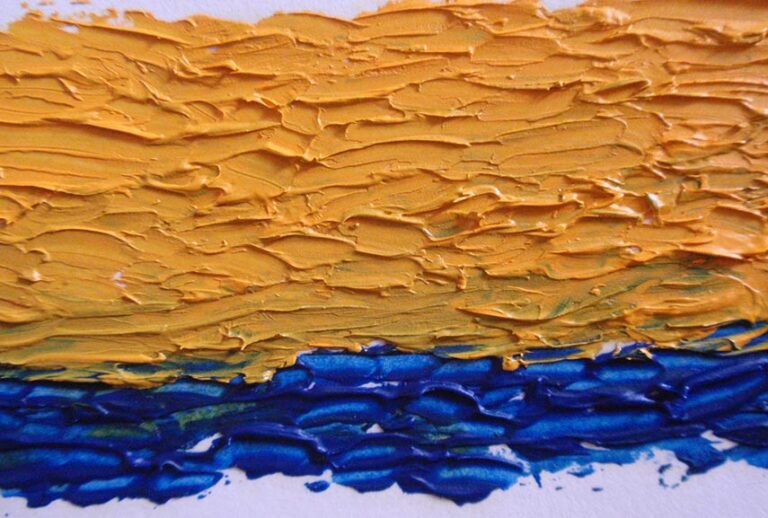
Priming the board is essential for creating a smooth, non-absorbent surface that prevents the oil paint from sinking in and becoming dull.
- Traditional Gesso: A time-tested primer, gesso is a white, chalk-based mixture that provides a smooth, matte finish.
- Acrylic Gesso: A modern alternative, acrylic gesso dries quickly and offers excellent adhesion.
- Oil Primers: Specifically designed for oil painting, oil primers provide a smooth, durable surface that enhances color vibrancy.
Layering Techniques:
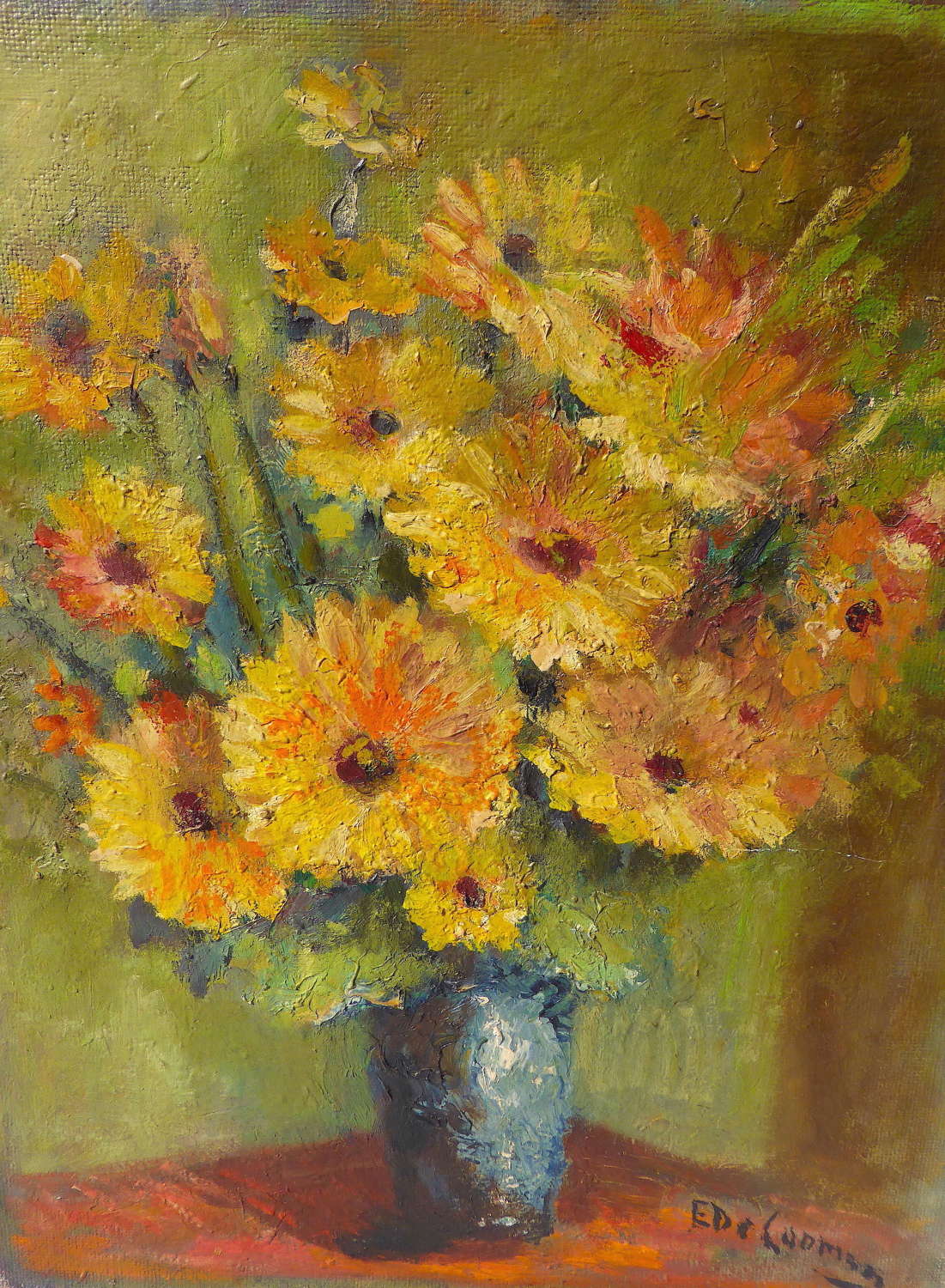
Oil painting on board excels in layering, allowing artists to build up depth, texture, and subtle transitions.
- Alla Prima (Wet-on-Wet): This technique involves applying wet paint onto wet paint, creating soft transitions and blending effects.
- Glazing: Thin, transparent layers of oil paint are applied over a dry underpainting, adding depth and luminosity.
- Scumbling: A technique where dry paint is lightly brushed over a dry underpainting, creating a textured, hazy effect.
- Impasto: Thick, impasto layers of paint are applied with a palette knife, creating bold textures and dramatic effects.
Brushwork and Tools:
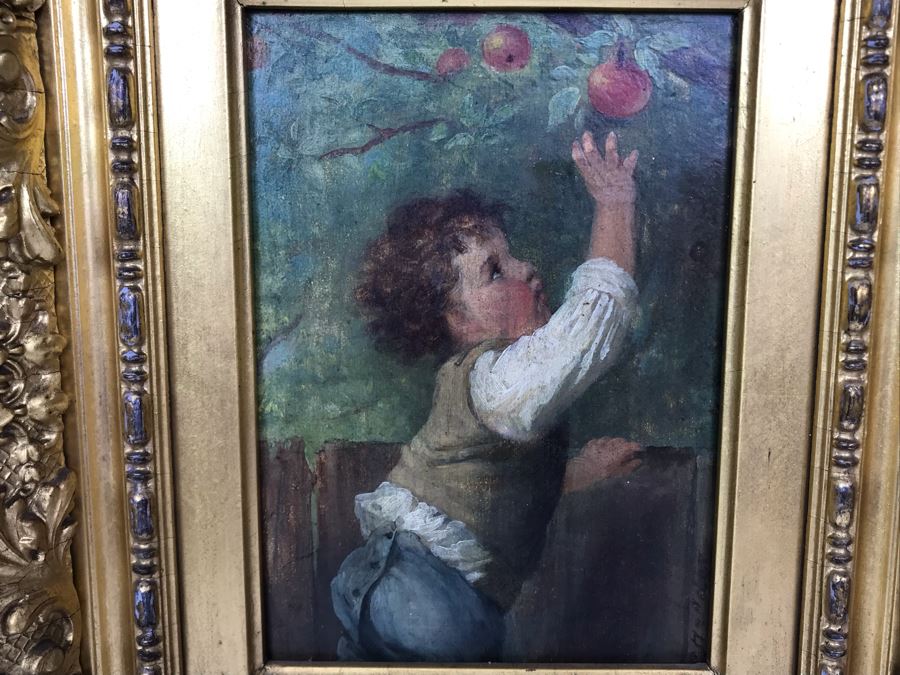
The choice of brushes and tools plays a crucial role in shaping your artwork.
- Brushes: From fine sable brushes for delicate details to broad bristle brushes for sweeping strokes, a variety of brushes allows for diverse textures and effects.
- Palette Knives: Used for applying thick paint, mixing colors, and creating bold textures.
- Spatulas: Similar to palette knives, spatulas are often used for scraping and creating textured effects.
- Sticks and Rags: These tools can be used for blending, wiping, and creating unique textures.
Color Mixing and Palette:
A well-organized palette is essential for achieving the desired color harmonies and depth.
- Primary Colors: Red, yellow, and blue serve as the foundation for mixing all other colors.
- Secondary Colors: Orange, green, and violet are created by mixing two primary colors.
- Tertiary Colors: Mixing a primary color with a neighboring secondary color creates tertiary colors.
- White and Black: Used for lightening and darkening colors, respectively.
Creating Depth and Dimension:
Oil on board allows for a wide range of techniques to create depth and dimension in your artwork.
- Chiaroscuro: A technique that uses strong contrasts between light and dark to create a sense of volume and form.
- Atmospheric Perspective: Colors appear less saturated and cooler as they recede into the distance, creating a sense of depth.
- Linear Perspective: Using converging lines to create a sense of depth and distance.
- Foreshortening: A technique that depicts objects closer to the viewer as larger and more distorted, creating a sense of depth.
Finishing Touches:
After the painting is complete, a final layer of varnish can enhance its beauty and protect it from the elements.
- Varnishes: Available in gloss, satin, and matte finishes, varnishes can enhance the color vibrancy, depth, and durability of the artwork.
- Resins: Natural resins, such as dammar and mastic, are often used to create a protective layer over oil paintings.
Advanced Techniques:
For those seeking to push the boundaries of oil on board painting, consider exploring these advanced techniques:
- Sgraffito: A technique that involves scratching through layers of paint to reveal underlying colors and create intricate patterns.
- Encaustic: A technique that uses heated wax to create rich textures and luminous colors.
- Collage: Incorporating various materials, such as paper, fabric, or found objects, into the painting.
Oil on Board: A Timeless Medium
Oil on board offers a unique blend of control and expressiveness, allowing artists to create stunning works of art with rich textures, vibrant colors, and captivating depth. By mastering the techniques outlined in this guide, you can unlock the full potential of this versatile medium and elevate your artwork to new heights.
Pricing Table:
| Item | Price | Description |
|---|---|---|
| MDF Board (12×16 inches) | $5 | Affordable and smooth surface |
| Hardboard (16×20 inches) | $10 | Durable and warp-resistant |
| Canvas Board (12×16 inches) | $7 | Textured surface for a canvas feel |
| Wood Panel (12×16 inches) | $15 | Unique aesthetic and natural feel |
| Traditional Gesso (16 oz) | $12 | Smooth, matte finish |
| Acrylic Gesso (16 oz) | $10 | Quick-drying and excellent adhesion |
| Oil Primer (16 oz) | $15 | Smooth, durable surface for oil paints |
| Sable Brushes (Set of 5) | $25 | Fine brushes for detail work |
| Bristle Brushes (Set of 3) | $15 | Broad brushes for sweeping strokes |
| Palette Knife (Set of 3) | $10 | For applying thick paint and creating textures |
| Dammar Varnish (16 oz) | $15 | Gloss finish for protection and enhancement |
| Mastic Varnish (16 oz) | $12 | Satin finish for a subtle sheen |
Diagram:
[Diagram showing the different layers of an oil on board painting, including primer, underpainting, middle layers, and final glaze.]
Keywords:
- Oil on Board
- Painting Techniques
- Texture
- Depth
- Layering
- Brushwork
- Color Mixing
- Priming
- Varnishing
- Advanced Techniques
- Gesso
- Palette Knife
- Alla Prima
- Glazing
- Scumbling
- Impasto
- Chiaroscuro
- Atmospheric Perspective
- Linear Perspective
- Foreshortening
- Sgraffito
- Encaustic
- Collage
SEO Optimization:
- This article uses a comprehensive range of keywords related to oil on board painting, including both general and specific terms.
- The article is structured with clear subheadings and bullet points, making it easy for search engines to understand the content.
- The article provides detailed information on each topic, making it a valuable resource for artists of all levels.
- The inclusion of a pricing table and diagram enhances the visual appeal and provides additional information for readers.
By incorporating these SEO best practices, this article is optimized to rank highly on search engines for relevant keywords, attracting a wider audience of artists and art enthusiasts seeking information on oil on board painting.

Mastering Oil on Board: Techniques for Rich Texture and Depth
Post a Comment for "Oil On Board Painting: Techniques For Rich Texture And Depth"