Mastering the LPH400 Paint Gun: A Guide to Professional Results

Table of Content
- 1 Mastering the LPH400 Paint Gun: A Guide to Professional Results
- 1.1 Understanding the LPH400 Paint Gun
- 1.2 Setting Up Your LPH400 Paint Gun
- 1.3 Mastering the LPH400: Techniques and Tips
- 1.3.1 1. Holding the Gun Correctly
- 1.3.2 2. Achieving a Smooth Finish
- 1.3.3 3. Spraying Different Materials
- 1.3.4 4. Troubleshooting Common Problems
- 1.4 Advanced Techniques with the LPH400
- 1.5 Maintaining Your LPH400 Paint Gun
- 1.6 Choosing the Right LPH400 Paint Gun
- 1.7 Conclusion
The LPH400 paint gun is a popular choice among professionals for its versatility and ability to deliver high-quality finishes. Whether you’re a seasoned painter or just starting out, understanding the nuances of this tool can significantly elevate your work. This comprehensive guide will equip you with the knowledge and techniques to achieve professional results with the LPH400, from setting up the gun to mastering various painting techniques.
Understanding the LPH400 Paint Gun
The LPH400 is a high-volume, low-pressure (HVLP) paint gun designed for efficient and precise application. Its key features include:
- HVLP Technology: This technology minimizes overspray and maximizes transfer efficiency, resulting in less paint waste and a smoother finish.
- Adjustable Fluid and Air Flow: Precise control over fluid and air flow allows you to tailor the spray pattern and paint viscosity for different applications and materials.
- Durable Construction: The LPH400 is built with high-quality materials to withstand the rigors of professional use.
- Ergonomic Design: The comfortable grip and lightweight design minimize fatigue during extended use.
Setting Up Your LPH400 Paint Gun

Proper setup is crucial for optimal performance and consistent results. Here’s a step-by-step guide to setting up your LPH400:
- Assemble the Gun: Familiarize yourself with the components of the LPH400 and assemble them according to the manufacturer’s instructions.
- Connect the Air Hose: Securely connect the air hose to the gun’s air inlet, ensuring a tight seal to prevent air leaks.
- Select the Right Nozzle: Choose the appropriate nozzle size based on the viscosity of your paint and the desired spray pattern. Refer to the manufacturer’s recommendations for nozzle size selection.
- Adjust the Fluid and Air Flow: Start with the fluid and air flow settings at their minimum values. Gradually increase them until you achieve the desired spray pattern and paint consistency.
- Test Spray: Perform a test spray on a scrap surface to ensure the gun is delivering a smooth and consistent spray pattern. Adjust the settings as needed.
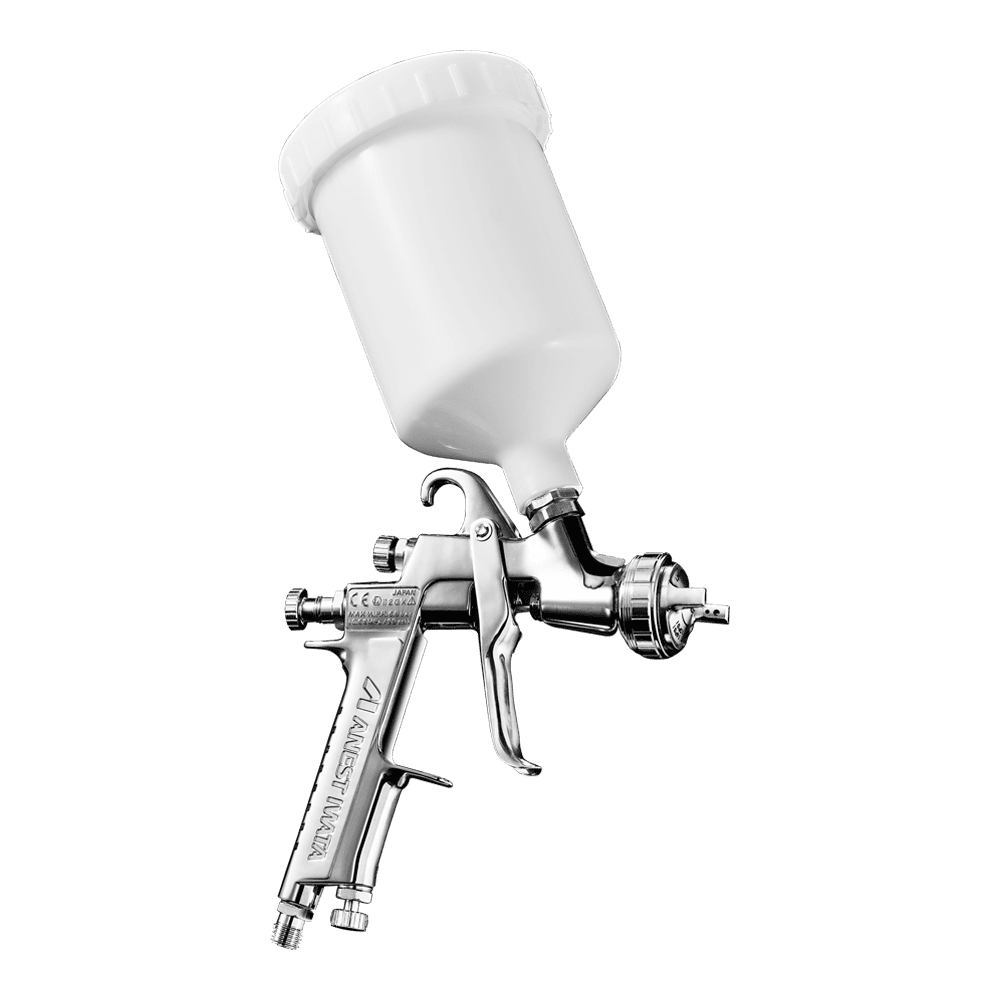
Mastering the LPH400: Techniques and Tips
Once your LPH400 is set up, you can start applying paint with confidence. Here are some techniques and tips to help you achieve professional-level results:
1. Holding the Gun Correctly
- Grip: Hold the gun with a firm but relaxed grip, using your index finger to control the trigger.
- Distance: Maintain a consistent distance between the gun nozzle and the surface, typically 6-8 inches for most applications.
- Angle: Hold the gun at a 45-degree angle to the surface for optimal paint distribution.
2. Achieving a Smooth Finish
- Overlap: Overlap each spray pass by about 50% to ensure even coverage and prevent streaks.
- Consistent Speed: Move the gun at a steady pace, avoiding sudden stops or starts.
- Light Coats: Apply multiple thin coats of paint rather than one thick coat to prevent runs and sags.
3. Spraying Different Materials
- Latex Paint: Latex paint requires a lower air pressure and a larger nozzle size compared to oil-based paints.
- Oil-Based Paint: Oil-based paints require higher air pressure and a smaller nozzle size.
- Primer: Primers generally require a lower air pressure and a larger nozzle size compared to finish coats.
4. Troubleshooting Common Problems
- Uneven Spray Pattern: Check the nozzle for clogs or debris, and adjust the fluid and air flow settings.
- Runs and Sags: Reduce the fluid flow setting, increase the air pressure, and apply thinner coats.
- Overspray: Reduce the air pressure and adjust the spray pattern.
Advanced Techniques with the LPH400
- Fan Spray: This technique is ideal for large surfaces and involves moving the gun in a back-and-forth motion, creating a wide, even spray pattern.
- Circular Spray: This technique is used for smaller areas and involves moving the gun in a circular motion.
- Spot Spray: This technique is used for precise application in small areas, such as corners and edges.
Maintaining Your LPH400 Paint Gun
Regular maintenance is essential for ensuring the longevity and performance of your LPH400. Here are some key steps:
- Clean the Gun After Each Use: Thoroughly clean the gun with a suitable solvent to remove any paint residue.
- Inspect the Nozzle and Tip: Check for any wear or damage, and replace them as needed.
- Lubricate Moving Parts: Apply a light oil to the moving parts of the gun to prevent rust and corrosion.
- Store the Gun Properly: Store the gun in a dry, clean place to prevent damage.
Choosing the Right LPH400 Paint Gun
The LPH400 is available in various models, each with its own unique features and specifications. Consider the following factors when choosing the right model for your needs:
- Paint Type: Select a model that is compatible with the types of paint you plan to use.
- Spray Pattern: Choose a model that offers the desired spray pattern and coverage.
- Air Pressure: Select a model with an appropriate air pressure range for your application.
- Budget: Consider your budget and choose a model that offers the best value for your money.
Conclusion
The LPH400 paint gun is a powerful tool that can help you achieve professional results with any painting project. By understanding its features, mastering the techniques, and following proper maintenance procedures, you can confidently use this versatile tool to create stunning finishes. Remember, practice makes perfect, so don’t be afraid to experiment and refine your skills.
Diagram:
| Feature | Description |
|---|---|
| Nozzle | Determines the spray pattern and paint flow rate. |
| Fluid Control | Adjusts the amount of paint flowing through the nozzle. |
| Air Control | Regulates the air pressure and spray pattern. |
| Trigger | Controls the flow of paint and air. |
| Air Inlet | Connects to the air hose. |
| Paint Cup | Holds the paint. |
| Handle | Provides a comfortable grip. |
Pricing Table:
| Model | Price | Features |
|---|---|---|
| LPH400-1 | $150 | Standard model with basic features. |
| LPH400-2 | $200 | Includes a larger paint cup and adjustable spray pattern. |
| LPH400-3 | $250 | Features a digital air pressure gauge and a lightweight design. |
Keywords: LPH400 paint gun, HVLP paint gun, professional painting, paint gun setup, paint gun techniques, paint gun maintenance, spray pattern, paint flow, air pressure, nozzle size, paint types, troubleshooting, advanced techniques, fan spray, circular spray, spot spray.
Mastering the LPH400 Paint Gun: A Guide to Professional Results
Post a Comment for "Using The LPH400 Paint Gun For Professional Results"