Do Elf Bars Have Paint Thinner? Understanding the Ingredients

Table of Content
- 1 Do Elf Bars Have Paint Thinner? Understanding the Ingredients
- 1.1 The Truth About Paint Thinner in Elf Bars
- 1.2 Understanding the Ingredients in Disposable Vapes
- 1.3 Potential Health Risks Associated with Disposable Vapes
- 1.4 Choosing Safe and Responsible Vaping Practices
- 1.5 The Importance of Transparency and Regulation
- 1.6 Conclusion
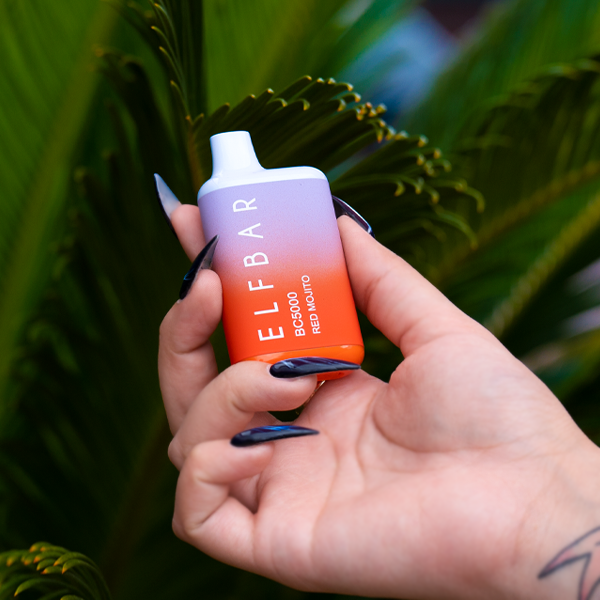
The popularity of disposable vapes like Elf Bars has surged in recent years, fueled by their convenience and variety of flavors. However, concerns about their safety and potential health risks have also risen, leading to questions about their ingredients. One particularly alarming claim circulating online is that Elf Bars contain paint thinner.
This article will delve into the ingredients commonly found in Elf Bars and other disposable vapes, debunking the myth of paint thinner and providing a comprehensive overview of their potential health implications.
The Truth About Paint Thinner in Elf Bars
The claim that Elf Bars contain paint thinner is completely false. Paint thinner, also known as paint remover, is a highly toxic chemical that is never an ingredient in vaping products. This misconception likely stems from the strong, often artificial, flavors that many disposable vapes offer. The sweet and fruity notes can sometimes be mistaken for chemical scents, leading to unfounded fears.
Understanding the Ingredients in Disposable Vapes
While Elf Bars don’t contain paint thinner, they do contain a blend of ingredients that contribute to their vapor production and flavor profile. These ingredients typically include:
- Propylene Glycol (PG) and Vegetable Glycerin (VG): These are the base liquids responsible for creating the vapor. PG is thinner and produces a stronger throat hit, while VG is thicker and produces larger clouds.
- Nicotine: This is the addictive stimulant found in tobacco. Disposable vapes often contain varying nicotine strengths, ranging from 0mg to 50mg per ml.
- Flavorings: These are responsible for creating the diverse range of flavors available. They can include natural and artificial flavorings, sweeteners, and other additives.
- Other Chemicals: Some disposable vapes may contain additional chemicals like humectants, stabilizers, and preservatives. These are used to maintain the quality and consistency of the e-liquid.

Potential Health Risks Associated with Disposable Vapes
While the claim of paint thinner in Elf Bars is false, it’s important to acknowledge the potential health risks associated with vaping, regardless of the specific brand or product. Some of the potential risks include:
- Nicotine Addiction: The nicotine in vapes is highly addictive and can lead to dependence.
- Respiratory Problems: Vaping can irritate the lungs and airways, potentially leading to coughing, wheezing, and shortness of breath.
- Cardiovascular Issues: Nicotine can increase heart rate and blood pressure, potentially raising the risk of heart disease and stroke.
- Oral Health Problems: Vaping can contribute to gum disease, tooth decay, and dry mouth.
- Long-Term Health Effects: The long-term health effects of vaping are still being studied, but some studies suggest potential risks of cancer, lung disease, and other chronic health problems.

Choosing Safe and Responsible Vaping Practices
If you choose to vape, it’s crucial to prioritize your health and safety by:
- Choosing reputable brands: Look for brands that are transparent about their ingredients and manufacturing processes.
- Checking for third-party testing: Look for products that have been tested by independent labs to ensure they are free of harmful contaminants.
- Avoiding counterfeit products: Counterfeit vapes often contain dangerous chemicals and may not meet safety standards.
- Starting with a low nicotine strength: If you’re new to vaping, start with a low nicotine strength and gradually increase it as tolerated.
- Using a device with adjustable wattage: This allows you to control the amount of vapor produced and the heat generated.
- Maintaining your device: Clean your vape regularly to prevent bacteria and mold growth.
- Avoiding excessive vaping: Limit your vaping sessions and avoid vaping for prolonged periods.
- Consulting with a healthcare professional: If you have any concerns about your health or the potential risks of vaping, consult with your doctor.
The Importance of Transparency and Regulation
The lack of regulation and transparency in the vaping industry contributes to the spread of misinformation and concerns about product safety. It’s essential for regulatory bodies to establish clear guidelines for the manufacturing, labeling, and sale of vaping products. Consumers should also demand transparency from manufacturers, ensuring they are aware of the ingredients and potential risks associated with their products.
Conclusion
The claim that Elf Bars contain paint thinner is a dangerous and unfounded myth. While disposable vapes like Elf Bars may contain a variety of ingredients, paint thinner is not one of them. It’s crucial to be aware of the potential health risks associated with vaping and to make informed choices about your health and well-being. By choosing reputable brands, understanding the ingredients, and practicing safe vaping habits, you can minimize the risks and enjoy vaping responsibly.

Do Elf Bars Have Paint Thinner? Understanding the Ingredients
Post a Comment for "Do Elf Bars Have Paint Thinner? Understanding The Ingredients"