Crackle Paint Guitar: Achieving a Vintage Look

Table of Content
Transforming Your Guitar with the Magic of Crackle Paint
The allure of vintage instruments is undeniable. From the faded finishes to the subtle imperfections, they exude a timeless charm that speaks to a rich history and countless stories. Capturing this vintage aesthetic on a modern guitar is a popular pursuit, and crackle paint offers a unique and effective way to achieve it. This technique creates a textured surface reminiscent of aged lacquer, adding depth and character to your instrument.
Understanding Crackle Paint
Crackle paint, also known as craquelure paint, is a specialized paint that dries with a distinctive cracking pattern. This effect is achieved through the use of special additives that create tension within the paint film as it dries. The resulting cracks can range from fine hairline fractures to dramatic, chunky fissures, depending on the type of paint and the application technique.
Why Choose Crackle Paint for Your Guitar?
- Authentic Vintage Look: Crackle paint delivers a convincingly aged appearance, simulating the effects of years of wear and tear.
- Unique Character: The random nature of the crackle pattern creates a one-of-a-kind finish, adding personality and individuality to your guitar.
- Versatility: Crackle paint can be applied over various substrates, including wood, metal, and even plastic, making it suitable for different guitar types.
- Relative Ease of Application: While some techniques require practice, applying crackle paint is generally easier than other decorative finishes.

Types of Crackle Paint
- Single-Stage Crackle Paint: This type of paint contains all the necessary components for creating the crackle effect within a single formula. It is typically applied in a single coat and requires no additional steps.
- Two-Stage Crackle Paint: This system involves applying two separate layers: a base coat and a crackle medium. The base coat is the color you want to show through the cracks, and the crackle medium is applied over it to create the cracking effect. This method offers greater control over the crackle pattern and color.

Preparing Your Guitar for Crackle Painting
- Clean the Surface: Thoroughly clean your guitar with a mild soap and water solution. Remove any dirt, grime, or fingerprints that could interfere with the paint adhesion.
- Sanding: Sand the guitar’s surface lightly with fine-grit sandpaper (220-400 grit) to create a smooth, even surface. This will help the paint adhere properly.
- Primer: Apply a coat of primer compatible with your chosen crackle paint. Primer provides a uniform base for the paint and improves adhesion.
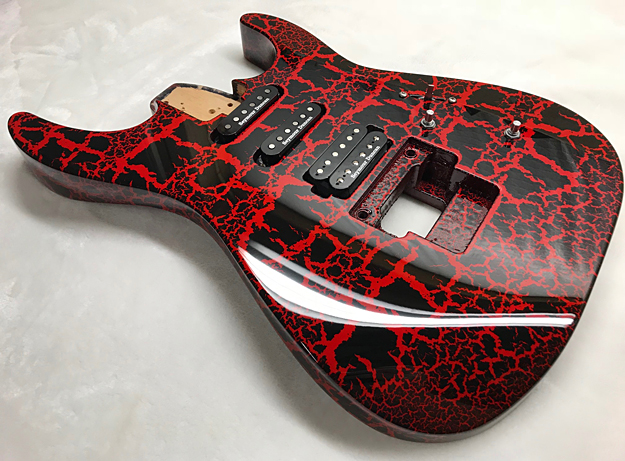
Applying Crackle Paint
- Base Coat (Two-Stage System): Apply a thin, even coat of your chosen base color. Allow it to dry completely before proceeding.
- Crackle Medium (Two-Stage System): Apply a thin coat of the crackle medium over the base coat. The application technique will determine the crackle pattern. Thinner coats create finer cracks, while thicker coats result in larger, more dramatic cracks.
- Single-Stage Application: Apply a single coat of the crackle paint directly to the prepared surface.
Tips for Achieving Desired Crackle Effects
- Temperature and Humidity: The temperature and humidity of your work environment can affect the drying time and crackle pattern. Ideal conditions are typically around 70°F and 50% humidity.
- Paint Thickness: The thickness of the crackle medium or single-stage paint will influence the size and depth of the cracks. Experiment with different thicknesses to find the desired effect.
- Brush Strokes: The direction and pressure of your brush strokes can affect the crackle pattern. Try experimenting with different techniques to see what works best for you.
- Additional Techniques: For more intricate crackle patterns, consider using a sponge, a crumpled piece of paper, or other tools to apply the crackle medium.
Sealing and Finishing
- Sealer: Once the crackle paint has dried completely, apply a sealant to protect the finish. This will prevent the cracks from becoming brittle and will also enhance the durability of the paint.
- Top Coat: You can apply a top coat of clear lacquer or polyurethane to further protect the finish and add a layer of gloss.
Crackle Paint Options for Guitars
- Krylon Crackle Paint: A popular single-stage option available in a range of colors.
- DecoArt Americana Crackle Medium: A two-stage system that offers excellent control over the crackle pattern.
- Rust-Oleum Crackle Paint: Another single-stage option with a wide variety of colors.
Safety Precautions
- Ventilation: Work in a well-ventilated area to avoid inhaling paint fumes.
- Gloves and Mask: Wear gloves and a respirator mask to protect your skin and lungs from paint exposure.
- Eye Protection: Wear safety glasses to protect your eyes from paint splashes.
Conclusion
Crackle paint offers a unique and effective way to achieve a vintage look on your guitar. By understanding the different types of crackle paint, following proper application techniques, and taking necessary safety precautions, you can create a stunning and personalized finish that will turn heads.
Beyond the Basics: Advanced Techniques
- Multi-Color Crackle: Create a more complex crackle effect by using multiple colors of crackle paint or by layering different colors of base coat.
- Crackle Over Metallic Paint: Apply crackle paint over a metallic base coat to achieve a shimmering effect.
- Crackle with Stencils: Use stencils to create intricate patterns within the crackle paint.
- Distressed Look: Add a distressed look by lightly sanding the crackle paint to reveal the base coat underneath.
Crackle Paint: A Creative Journey
Crackle painting is not just a technique; it’s a creative journey. Experiment with different colors, techniques, and finishes to find your own unique style. Embrace the imperfections and the randomness of the crackle pattern, as it adds to the charm and character of your guitar.
Further Exploration
- Online Tutorials: Numerous online tutorials offer step-by-step instructions and tips for crackle painting.
- Guitar Forums: Join online guitar forums to connect with other enthusiasts and share your crackle paint projects.
- Local Craft Stores: Visit local craft stores to explore different brands of crackle paint and related supplies.
Remember, crackle painting is a rewarding and fun way to personalize your guitar and give it a unique vintage appeal. Don’t be afraid to experiment and let your creativity shine!
Our Form: Crackle Paint Guitar: Mastering the Vintage Look
Embark on a Transformative Journey: Crackle Painting Your Guitar
For guitarists seeking to imbue their instruments with the allure of vintage charm, crackle paint offers a unique and captivating path. This specialized paint, known for its distinctive cracking pattern, replicates the patina of time, adding depth, character, and a touch of nostalgia to any guitar.
Delving into the World of Crackle Paint
Crackle paint, also known as craquelure paint, is a specialized coating that dries with a characteristically cracked surface. This effect is achieved through carefully formulated additives that introduce tension within the paint film as it dries. The resulting cracks, ranging from delicate hairline fractures to dramatic, chunky fissures, depend on the specific type of paint and the application techniques employed.
Why Choose Crackle Paint for Your Guitar?
- Authentic Vintage Aesthetics: Crackle paint offers a convincing replication of aged lacquer, capturing the essence of time-worn instruments.
- Unique and Distinctive Character: The inherent randomness of the crackle pattern ensures a one-of-a-kind finish, making your guitar truly unique.
- Versatility Across Materials: Crackle paint adheres beautifully to various surfaces, including wood, metal, and even plastic, making it suitable for a wide range of guitar types.
- Relative Ease of Application: While some techniques require practice, applying crackle paint is generally less demanding than other decorative finishes.
Navigating the Landscape of Crackle Paint Options
Crackle paint comes in two primary forms:
- Single-Stage Crackle Paint: This all-in-one solution contains all the necessary components for creating the crackle effect within a single formula. It is typically applied in a single coat and requires no additional steps.
- Two-Stage Crackle Paint: This system involves applying two separate layers: a base coat and a crackle medium. The base coat serves as the color that will show through the cracks, while the crackle medium is applied over it to induce the cracking effect. This method offers greater control over the crackle pattern and the underlying color.
Preparing Your Guitar for a Crackle Paint Transformation
Before embarking on your crackle painting journey, meticulous preparation is key:
- Cleaning the Surface: Begin by thoroughly cleaning your guitar with a mild soap and water solution. Remove any dirt, grime, or fingerprints that could interfere with the paint’s adhesion.
- Sanding for Smoothness: Lightly sand the guitar’s surface using fine-grit sandpaper (220-400 grit). This creates a smooth, even surface that promotes optimal paint adhesion.
- Priming for Uniformity: Apply a coat of primer compatible with your chosen crackle paint. Primer provides a uniform base for the paint, enhancing adhesion and ensuring a consistent finish.
Mastering the Art of Crackle Paint Application
- Base Coat (Two-Stage System): Apply a thin, even coat of your chosen base color. Allow it to dry completely before proceeding to the next step.
- Crackle Medium (Two-Stage System): Apply a thin coat of the crackle medium over the base coat. The application technique will determine the crackle pattern. Thinner coats create finer cracks, while thicker coats result in larger, more dramatic cracks.
- Single-Stage Application: Apply a single coat of the crackle paint directly to the prepared surface.
Unlocking the Secrets of Desired Crackle Effects
- Temperature and Humidity Control: The temperature and humidity of your work environment play a significant role in the drying time and crackle pattern. Aim for a comfortable temperature around 70°F and a humidity level of 50% for optimal results.
- Paint Thickness: A Key Factor: The thickness of the crackle medium or single-stage paint directly influences the size and depth of the cracks. Experiment with different thicknesses to achieve your desired effect.
- Brush Stroke Technique: The direction and pressure of your brush strokes can subtly affect the crackle pattern. Explore different techniques to discover what best suits your vision.
- Expanding Your Techniques: For more intricate crackle patterns, consider using a sponge, a crumpled piece of paper, or other tools to apply the crackle medium.
Sealing and Finishing for Longevity and Protection
- Sealing the Crackle: Once the crackle paint has dried completely, apply a sealant to protect the finish. This step prevents the cracks from becoming brittle and enhances the durability of the paint.
- Top Coating for Enhanced Protection and Gloss: Consider applying a top coat of clear lacquer or polyurethane to provide further protection and add a layer of gloss.
Recommended Crackle Paint Options for Guitarists
- Krylon Crackle Paint: A popular single-stage option available in a diverse range of colors.
- DecoArt Americana Crackle Medium: A two-stage system that offers exceptional control over the crackle pattern.
- Rust-Oleum Crackle Paint: Another single-stage option with a wide selection of colors.
Prioritizing Safety During Your Crackle Painting Project
- Adequate Ventilation: Work in a well-ventilated area to minimize exposure to paint fumes.
- Protective Gear: Wear gloves and a respirator mask to shield your skin and lungs from paint exposure.
- Eye Protection: Wear safety glasses to protect your eyes from paint splashes.
Elevating Your Crackle Painting Skills with Advanced Techniques
- Multi-Color Crackle: A Symphony of Color: Create a more intricate crackle effect by using multiple colors of crackle paint or by layering different colors of base coat.
- Metallic Crackle: A Shimmering Effect: Apply crackle paint over a metallic base coat to achieve a captivating shimmering effect.
- Crackle with Stencils: Precision and Detail: Use stencils to create intricate patterns within the crackle paint, adding a touch of artistry.
- Distressed Look: A Touch of History: Add a distressed look by lightly sanding the crackle paint to reveal the base coat underneath, creating a vintage patina.
Crackle Painting: A Creative Journey of Exploration
Crackle painting is more than just a technique; it’s a creative journey of exploration. Experiment with different colors, techniques, and finishes to discover your own unique style. Embrace the imperfections and the inherent randomness of the crackle pattern, as they add to the charm and character of your guitar.
Resources for Further Exploration and Inspiration
- Online Tutorials: Numerous online tutorials provide step-by-step instructions and valuable tips for crackle painting.
- Guitar Forums: A Community of Enthusiasts: Join online guitar forums to connect with other enthusiasts, share your crackle paint projects, and gain valuable insights.
- Local Craft Stores: A Treasure Trove of Supplies: Visit local craft stores to explore different brands of crackle paint and related supplies.
Crackle Painting: A Unique and Rewarding Path to Personalization
Crackle painting presents a unique and rewarding way to personalize your guitar and imbue it with a captivating vintage appeal. Don’t hesitate to experiment, embrace your creativity, and let your guitar become a testament to your artistic vision!
Diagram:
| Crackle Paint Guitar: || ----------------------- || 1. Preparation || 2. Application || 3. Sealing and Finishing || 4. Advanced Techniques |
Crackle Paint Guitar: Achieving a Vintage Look
Post a Comment for "Crackle Paint Guitar: Creating A Vintage Look"