Capturing Nostalgia: Grandma’s Garden Painting Ideas

Table of Content
- 1 Capturing Nostalgia: Grandma’s Garden Painting Ideas
- 1.1 Choosing the Right Medium: A Palette of Possibilities
- 1.2 Setting the Stage: Composition and Perspective
- 1.3 Capturing the Essence of Grandma’s Garden: Color Palettes and Light
- 1.4 Adding Detail and Texture: Techniques and Inspiration
- 1.5 Final Touches: Framing and Displaying Your Masterpiece
- 1.6 Conclusion: A Lasting Legacy of Love and Memories
Grandma’s garden. The scent of blooming roses, the rustle of leaves in the summer breeze, the vibrant colors dancing in the sun. It’s a place of childhood memories, of warm afternoons spent picking ripe berries and listening to stories under the shade of a sprawling oak tree. These memories are often the ones we hold dearest, and painting them can be a beautiful way to preserve them.
This guide will explore creative ways to capture the essence of grandma’s garden on canvas, using various techniques and styles. We’ll delve into color palettes, composition, and even explore the use of mixed media to add texture and depth to your artwork.
Choosing the Right Medium: A Palette of Possibilities
Before you start painting, consider the medium that best suits your vision and skill level. Each medium offers unique qualities that can enhance your portrayal of grandma’s garden.
1. Watercolor: Known for its ethereal beauty and ability to capture subtle light and shadow, watercolor is perfect for depicting delicate flowers, shimmering leaves, and the gentle play of sunlight.
2. Acrylic: This versatile medium offers vibrant colors, quick drying time, and the ability to be layered for depth. It’s ideal for capturing the boldness of a summer bloom or the textured bark of a sturdy tree.
3. Oil: With its rich colors and forgiving nature, oil painting is a classic choice for capturing the richness of a garden scene. It allows for meticulous detail and the creation of captivating textures, perfect for depicting the velvety petals of a rose or the rough texture of a stone path.
4. Gouache: A water-based opaque paint, gouache offers the vibrancy of acrylics with the subtle blending capabilities of watercolors. It’s a great choice for capturing the delicate details of a floral arrangement or the intricate patterns on a butterfly’s wings.
5. Mixed Media: Don’t be afraid to experiment! Combining different mediums can add depth and dimension to your painting. For instance, incorporating collage elements like pressed flowers, fabric scraps, or even bits of old gardening tools can create a unique and personal touch.
Setting the Stage: Composition and Perspective
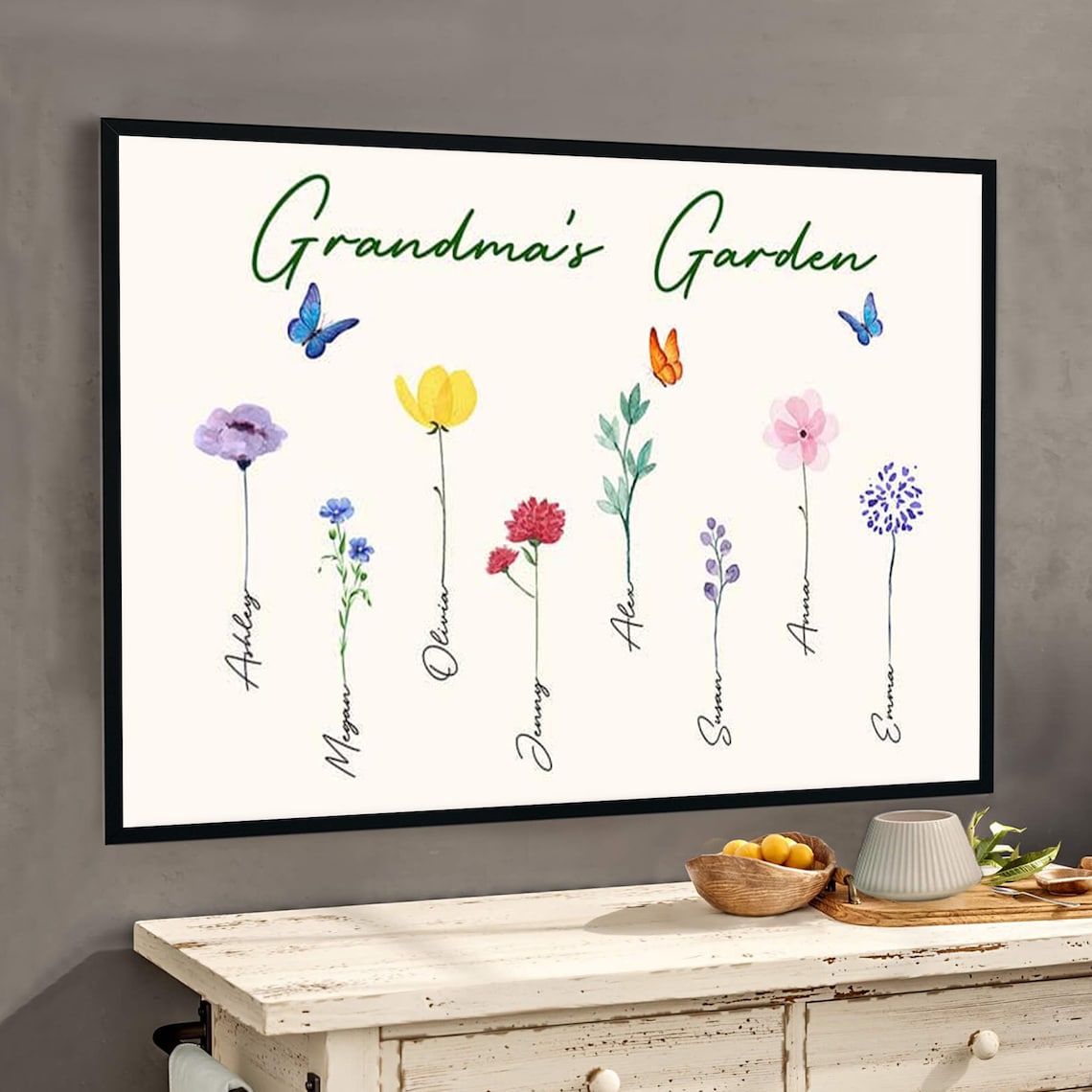
The way you arrange the elements within your painting will greatly influence the overall impact. Consider these compositional techniques:
1. Rule of Thirds: Divide your canvas into nine equal sections using two horizontal and two vertical lines. Placing key elements along these lines or at their intersections creates a more visually appealing and dynamic composition.
2. Leading Lines: Use paths, fences, or even rows of flowers to guide the viewer’s eye through the painting. This creates a sense of depth and encourages exploration.
3. Symmetry and Asymmetry: Symmetrical compositions create a sense of balance and order, while asymmetrical compositions can add dynamism and interest. Experiment with both to find what best captures the feel of grandma’s garden.
4. Focal Point: Choose a dominant element in the scene, such as a vibrant flower, a majestic tree, or a beloved garden bench. Use color, size, and placement to draw attention to this focal point and create a sense of hierarchy.

5. Perspective: Consider the perspective from which you are viewing the garden. A bird’s eye view can showcase the overall layout, while a close-up perspective can highlight the intricate details of a single flower.
Capturing the Essence of Grandma’s Garden: Color Palettes and Light
1. Color Palettes: The color palette you choose will heavily influence the mood and atmosphere of your painting.
- Warm Colors: Oranges, yellows, and reds evoke feelings of warmth, happiness, and nostalgia. These colors are perfect for capturing the vibrant hues of summer blooms and the golden glow of sunlight filtering through the leaves.
- Cool Colors: Blues, greens, and purples create a sense of tranquility and serenity. These colors can be used to depict the cool shade of a leafy canopy or the calming effect of a gentle breeze.
- Monochromatic: Using variations of a single color can create a sense of unity and harmony. A monochromatic palette can be particularly effective for capturing the subtle variations of light and shadow in a garden scene.
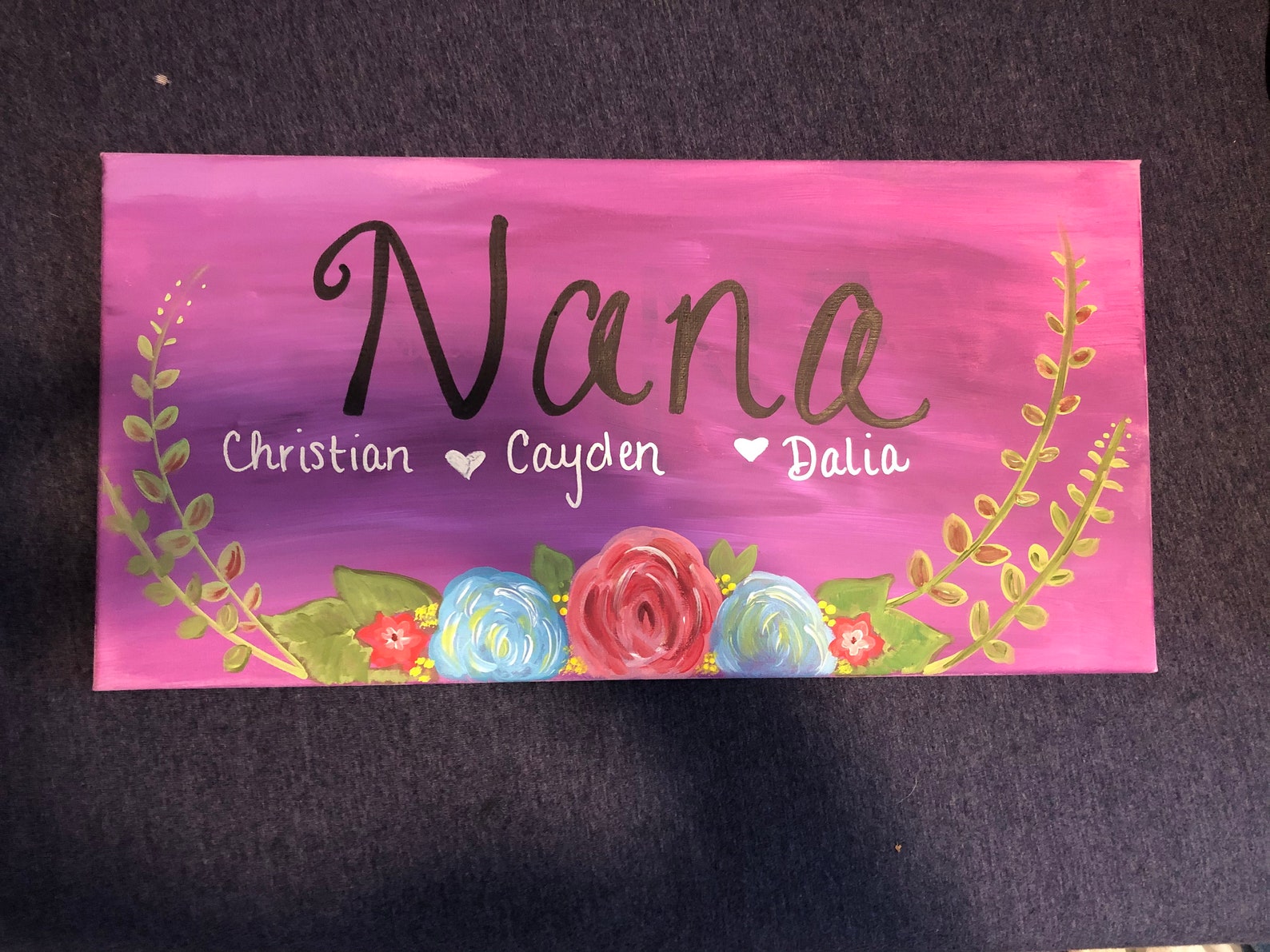
2. Light and Shadow: The interplay of light and shadow is crucial for creating depth and dimension in your painting.
- Direct Sunlight: Harsh, direct sunlight creates strong shadows and highlights, adding a sense of drama to your scene.
- Diffused Light: Soft, diffused light creates subtle shadows and a more gentle atmosphere.
- Backlighting: Placing a light source behind your subject can create a halo effect and highlight the details of leaves and petals.
Adding Detail and Texture: Techniques and Inspiration
1. Brushwork: Experiment with different brushstrokes to create texture and movement in your painting.
- Loose and Impressionistic: Use broad strokes and a limited palette to create a sense of immediacy and capture the fleeting beauty of a garden scene.
- Detailed and Realistic: Use fine brushes and meticulous strokes to capture the intricate details of flowers, leaves, and insects.
2. Mixed Media: As mentioned earlier, incorporating mixed media can add depth and texture to your artwork.
- Pressed Flowers: Press real flowers and incorporate them into your painting for a unique and tactile element.
- Fabric Scraps: Use scraps of fabric to create textures like woven baskets, garden gloves, or even the rough bark of a tree.
- Collage Elements: Add vintage gardening tools, old seed packets, or even handwritten notes from grandma to create a personal and evocative narrative.
3. Inspiration:
- Photographs: Take photographs of grandma’s garden, focusing on the details that evoke the strongest memories.
- Grandma’s Stories: Ask grandma about her favorite plants, her gardening techniques, and her memories of the garden. These stories can inspire your composition and add a personal touch to your artwork.
Final Touches: Framing and Displaying Your Masterpiece
Once your painting is complete, consider framing it to enhance its beauty and protect it for years to come.
- Frame Style: Choose a frame that complements the style and colors of your painting. A simple, rustic frame can work well for a naturalistic depiction of grandma’s garden, while a more ornate frame might be appropriate for a more formal or stylized composition.
- Matting: A mat can provide a visual buffer between the painting and the frame, creating a sense of depth and highlighting the artwork.
- Display: Choose a prominent location in your home to display your painting. Consider a wall in your living room, dining room, or even a hallway, where it can be enjoyed by all who enter.
Conclusion: A Lasting Legacy of Love and Memories
Capturing grandma’s garden on canvas is a beautiful way to preserve the memories and emotions associated with this special place. By carefully considering your medium, composition, color palette, and techniques, you can create a piece of art that will be cherished for generations to come.
Remember, the most important element of your painting is the love and care you pour into it. As you paint, let your thoughts drift back to the happy moments spent in grandma’s garden, and let those memories guide your brush. Your painting will become a tangible expression of your love and gratitude for the special place that grandma’s garden holds in your heart.

Capturing Nostalgia: Grandma’s Garden Painting Ideas
Post a Comment for "Capturing Nostalgia: Grandma's Garden Painting Ideas"