Heavy Duty Paint Stripper: Remove Old Coatings Effortlessly

Table of Content
Heavy duty paint stripper is a powerful tool for removing old, stubborn coatings from various surfaces. Whether you’re tackling a renovation project, restoring antique furniture, or simply preparing a surface for repainting, a good paint stripper can save you time, effort, and frustration.
Understanding Heavy Duty Paint Strippers
Heavy duty paint strippers are formulated with potent chemicals designed to break down the bonds holding paint, varnish, lacquer, and other coatings to the underlying surface. They are typically used for removing multiple layers of paint, thick coatings, or coatings that are particularly resistant to conventional strippers.
Types of Heavy Duty Paint Strippers
Heavy duty paint strippers are available in various forms, each with its own advantages and disadvantages:
- Chemical Strippers: These are the most common type, typically containing methylene chloride, caustic soda, or other powerful solvents. They are highly effective but require careful handling due to their toxicity and potential for damaging the underlying surface.
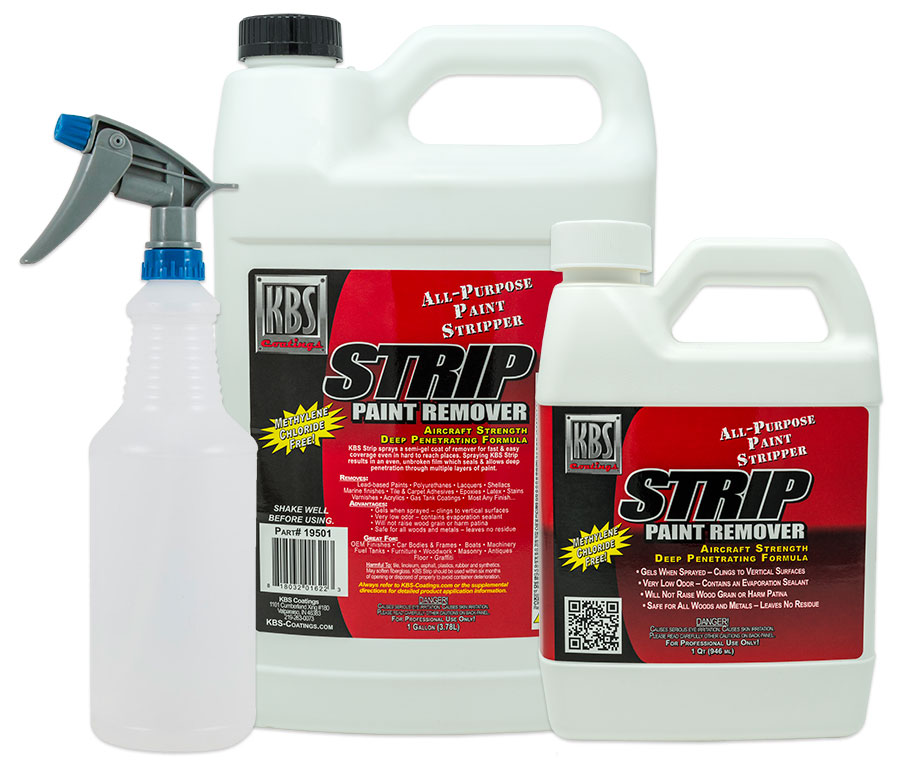
- Gel Strippers: These strippers have a thicker consistency that allows them to adhere to vertical surfaces and stay in place longer. They are often preferred for intricate designs or delicate surfaces.
- Paste Strippers: These strippers are designed for stubborn coatings and difficult-to-reach areas. They are typically applied in a thick layer and left to penetrate the coating for a longer period.
Factors to Consider When Choosing a Heavy Duty Paint Stripper
- Type of Coating: Different strippers are formulated for specific types of coatings. Choose a stripper specifically designed for the type of paint or finish you’re removing.
- Surface Material: Consider the material you’re working with. Some strippers can damage delicate surfaces like wood or metal.
- Application Method: Choose a stripper that is easy to apply and remove, taking into account the size and shape of the surface.
- Safety Precautions: Always read and follow the manufacturer’s safety instructions. Wear appropriate protective gear, including gloves, eye protection, and a respirator.
Steps for Using Heavy Duty Paint Stripper
- Preparation: Clean the surface thoroughly with soap and water to remove dirt and debris. Ensure the surface is dry before applying the stripper.
- Application: Apply the stripper according to the manufacturer’s instructions. Use a brush, roller, or scraper, depending on the type of stripper and the surface.
- Dwell Time: Allow the stripper to dwell on the surface for the recommended time. This allows the chemicals to penetrate the coating and break down the bonds.
- Removal: Use a scraper, putty knife, or wire brush to remove the softened coating. Work carefully to avoid damaging the underlying surface.
- Neutralization: Neutralize the stripper with a solution of water and baking soda. This will prevent further damage to the surface and ensure safe disposal.
- Cleaning: Thoroughly clean the surface with soap and water to remove any remaining residue.

Safety Precautions When Using Heavy Duty Paint Stripper
- Ventilation: Work in a well-ventilated area to prevent exposure to harmful fumes.
- Protective Gear: Wear gloves, eye protection, and a respirator to protect your skin, eyes, and respiratory system.
- Avoid Contact: Avoid contact with skin, eyes, and clothing.
- Storage: Store strippers in a cool, dry place, away from children and pets.
- Disposal: Dispose of the stripper and its container according to local regulations.
Tips for Using Heavy Duty Paint Stripper Effectively
- Test in an Unconspicuous Area: Always test the stripper on a small, inconspicuous area of the surface to ensure it does not damage the underlying material.
- Work in Small Sections: Apply the stripper in small sections to prevent it from drying out before it can work effectively.
- Use a Heat Gun: A heat gun can help to speed up the stripping process by softening the coating and making it easier to remove.
- Be Patient: It may take several applications to remove multiple layers of paint or stubborn coatings. Don’t rush the process.
Benefits of Using Heavy Duty Paint Stripper
- Effective Removal: Heavy duty paint strippers are highly effective at removing old, stubborn coatings that are resistant to conventional methods.
- Time-Saving: They can save you significant time and effort compared to other methods of paint removal.
- Versatile: They can be used on a variety of surfaces, including wood, metal, concrete, and brick.
Drawbacks of Using Heavy Duty Paint Stripper
- Toxicity: Many heavy duty strippers contain hazardous chemicals that can be harmful to your health if not used properly.
- Potential for Damage: They can damage the underlying surface if not used carefully.
- Odor: They often have a strong, unpleasant odor.
- Disposal: Proper disposal of the stripper and its container is important to protect the environment.
Alternatives to Heavy Duty Paint Stripper
- Heat Gun: A heat gun can be used to soften paint and make it easier to remove with a scraper.
- Sandblasting: Sandblasting is a powerful method for removing paint, but it can damage the underlying surface if not done properly.
- Chemical Strippers: These are less potent than heavy duty strippers and are suitable for removing single layers of paint or thin coatings.
- Mechanical Stripping: This involves using tools like scrapers, wire brushes, and sandpaper to remove the coating.
Choosing the Right Heavy Duty Paint Stripper for Your Project
When choosing a heavy duty paint stripper, consider the following factors:
- Type of Coating: What type of paint, varnish, or other coating are you removing?
- Surface Material: What material is the surface made of?
- Application Method: How will you apply the stripper?
- Safety Precautions: What safety precautions are necessary?
- Price: What is your budget?
Heavy Duty Paint Stripper Brands and Products
There are many reputable brands of heavy duty paint strippers available on the market, including:
- Citristrip
- Klean-Strip
- Zinsser
- Rust-Oleum
- Wagner
Conclusion
Heavy duty paint strippers are a valuable tool for removing old, stubborn coatings from various surfaces. They are highly effective but require careful handling and proper safety precautions. By choosing the right stripper for your project and following the manufacturer’s instructions, you can remove old coatings effortlessly and prepare surfaces for repainting or restoration.
Our Form
Heavy Duty Paint Stripper: Your Ultimate Guide to Effortless Coating Removal
Introduction:
Removing old, stubborn paint or coatings can be a daunting task. Whether you’re embarking on a home renovation project, restoring antique furniture, or preparing a surface for repainting, heavy-duty paint strippers offer a powerful and efficient solution. This comprehensive guide will delve into the intricacies of heavy-duty paint strippers, empowering you with the knowledge and expertise to tackle any coating removal challenge effortlessly.
Understanding Heavy Duty Paint Strippers:
Heavy-duty paint strippers are specialized chemical formulations designed to break down the molecular bonds holding paint, varnish, lacquer, and other coatings to the underlying surface. Their powerful chemical composition allows them to penetrate even the most stubborn coatings, making them ideal for removing multiple layers or exceptionally resistant finishes.
Types of Heavy Duty Paint Strippers:
Heavy-duty paint strippers come in various forms, each tailored to specific applications and surface types:
- Chemical Strippers: These are the most common type, typically containing powerful solvents like methylene chloride or caustic soda. They are highly effective but require careful handling due to their toxicity and potential for damaging delicate surfaces.
- Gel Strippers: Gel strippers have a thicker consistency, allowing them to adhere to vertical surfaces and stay in place longer. This makes them ideal for intricate designs or delicate surfaces where dripping or runoff could cause damage.
- Paste Strippers: Paste strippers are designed for stubborn coatings and difficult-to-reach areas. They are typically applied in a thick layer and left to penetrate the coating for an extended period, allowing for maximum penetration and removal.
Choosing the Right Heavy Duty Paint Stripper:
Selecting the appropriate heavy-duty paint stripper is crucial for successful coating removal and surface protection. Consider these factors:
- Type of Coating: Different strippers are formulated for specific types of coatings. Identify the type of paint, varnish, or other coating you’re removing to ensure compatibility with the stripper.
- Surface Material: The material of the underlying surface plays a critical role in stripper selection. Some strippers can damage delicate surfaces like wood or metal, while others are specifically designed for robust materials like concrete or brick.
- Application Method: The size, shape, and accessibility of the surface will influence the application method. Choose a stripper that is easy to apply and remove, considering factors like viscosity, drying time, and the availability of appropriate application tools.
- Safety Precautions: Always prioritize safety when working with heavy-duty paint strippers. Choose a stripper that meets your safety requirements and provides clear instructions on handling, storage, and disposal.
Detailed Steps for Using Heavy Duty Paint Stripper:
- Preparation: Thoroughly clean the surface with soap and water to remove dirt, grime, and loose debris. Ensure the surface is completely dry before proceeding to prevent interference with the stripper’s effectiveness.
- Application: Apply the stripper according to the manufacturer’s instructions. Use a brush, roller, or scraper, depending on the type of stripper and the surface. Ensure even coverage and avoid over-application, as this can lead to excessive dripping or unnecessary waste.
- Dwell Time: Allow the stripper to dwell on the surface for the recommended time. This allows the chemicals to penetrate the coating and break down the bonds holding it to the surface. The dwell time will vary depending on the type of stripper and the thickness of the coating.
- Removal: Use a scraper, putty knife, or wire brush to remove the softened coating. Work carefully and methodically to avoid damaging the underlying surface. Start in a small area to test the effectiveness of the stripper and the ease of removal.
- Neutralization: Neutralize the stripper with a solution of water and baking soda. This step is crucial to prevent further damage to the surface and ensure safe disposal. Neutralization effectively stops the chemical reaction of the stripper and prevents further deterioration of the surface.
- Cleaning: Thoroughly clean the surface with soap and water to remove any remaining residue. This final step ensures a clean and prepared surface for further treatment or finishing.
Safety Precautions: A Guide to Responsible Handling
- Ventilation: Always work in a well-ventilated area to prevent exposure to harmful fumes. Open windows, use fans, or consider using a respirator to ensure adequate ventilation.
- Protective Gear: Wear gloves, eye protection, and a respirator to protect your skin, eyes, and respiratory system from potential hazards. Choose appropriate gear based on the specific stripper and its safety recommendations.
- Avoid Contact: Avoid contact with skin, eyes, and clothing. Wash hands thoroughly after handling the stripper and immediately remove any contaminated clothing.
- Storage: Store strippers in a cool, dry place, away from children and pets. Keep the container tightly sealed to prevent evaporation and maintain the stripper’s effectiveness.
- Disposal: Dispose of the stripper and its container according to local regulations. Never pour strippers down the drain or into the environment. Follow proper disposal procedures to minimize environmental impact.
Tips for Maximizing Stripper Effectiveness:
- Test in an Unconspicuous Area: Always test the stripper on a small, inconspicuous area of the surface to ensure it does not damage the underlying material. This pre-test will help you identify potential issues and make adjustments if necessary.
- Work in Small Sections: Apply the stripper in small sections to prevent it from drying out before it can work effectively. This approach allows for better control and prevents the stripper from becoming ineffective due to premature drying.
- Use a Heat Gun: A heat gun can help to speed up the stripping process by softening the coating and making it easier to remove. Use the heat gun cautiously and avoid overheating the surface to prevent damage.
- Be Patient: It may take several applications to remove multiple layers of paint or stubborn coatings. Don’t rush the process and allow sufficient time for the stripper to penetrate and break down the coating.
Benefits of Using Heavy Duty Paint Stripper:
- Effective Removal: Heavy-duty paint strippers are highly effective at removing old, stubborn coatings that are resistant to conventional methods. They provide a powerful solution for challenging removal tasks.
- Time-Saving: They can save you significant time and effort compared to other methods of paint removal, making them an efficient solution for large-scale projects or time-sensitive tasks.
- Versatile: They can be used on a variety of surfaces, including wood, metal, concrete, and brick, offering versatility for a wide range of applications.
Drawbacks of Using Heavy Duty Paint Stripper:
- Toxicity: Many heavy-duty strippers contain hazardous chemicals that can be harmful to your health if not used properly. Always prioritize safety and follow all instructions and precautions.
- Potential for Damage: They can damage the underlying surface if not used carefully. Test the stripper in an inconspicuous area and follow the manufacturer’s instructions to minimize the risk of damage.
- Odor: They often have a strong, unpleasant odor. Work in a well-ventilated area and wear a respirator to minimize exposure to the odor.
- Disposal: Proper disposal of the stripper and its container is important to protect the environment. Follow local regulations and dispose of the stripper responsibly.
Alternatives to Heavy Duty Paint Stripper:
- Heat Gun: A heat gun can be used to soften paint and make it easier to remove with a scraper. However, it may not be effective for all types of coatings and can potentially damage the underlying surface.
- Sandblasting: Sandblasting is a powerful method for removing paint but can damage the underlying surface if not done properly. It is best suited for robust surfaces like concrete or metal.
- Chemical Strippers: These are less potent than heavy-duty strippers and are suitable for removing single layers of paint or thin coatings. They offer a less aggressive approach for delicate surfaces.
- Mechanical Stripping: This involves using tools like scrapers, wire brushes, and sandpaper to remove the coating. It is a labor-intensive method that may not be effective for stubborn coatings.
Choosing the Right Heavy Duty Paint Stripper for Your Project:
When choosing a heavy-duty paint stripper, consider the following factors:
- Type of Coating: What type of paint, varnish, or other coating are you removing?
- Surface Material: What material is the surface made of?
- Application Method: How will you apply the stripper?
- Safety Precautions: What safety precautions are necessary?
- Price: What is your budget?
Heavy Duty Paint Stripper Brands and Products:
There are many reputable brands of heavy-duty paint strippers available on the market, each with its own strengths and features:
| Brand | Product | Description |
|---|---|---|
| Citristrip | Citristrip Paint & Varnish Remover | A citrus-based stripper that is safe for most surfaces, including wood and metal. |
| Klean-Strip | Klean-Strip Aircraft Remover | A powerful stripper designed for removing multiple layers of paint and varnish. |
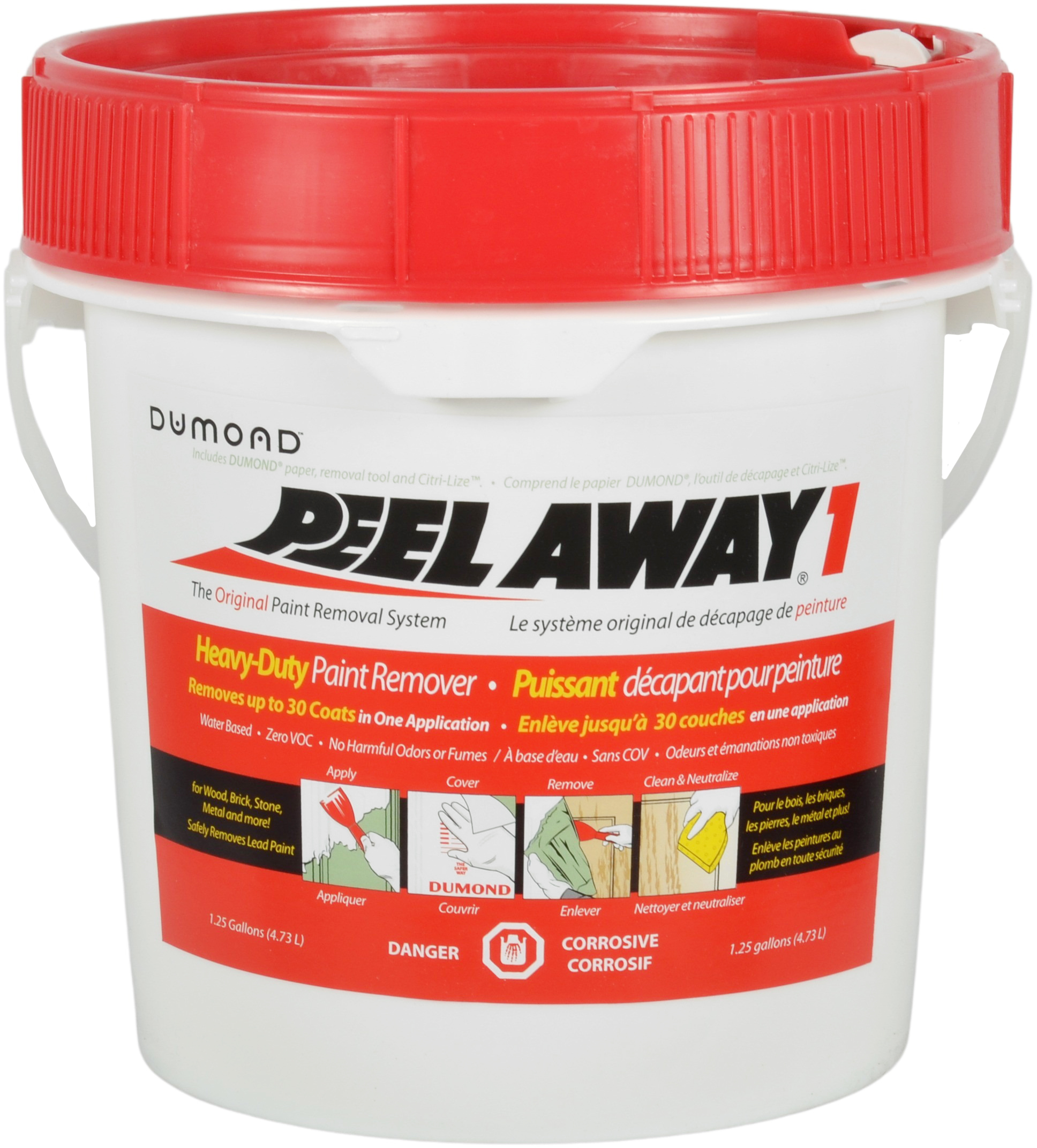
| Zinsser | Zinsser Peel Away 1 | A gel stripper that is easy to apply and remove. |
| Rust-Oleum | Rust-Oleum Stripper | A chemical stripper that is effective for removing a variety of coatings. |
| Wagner | Wagner Control Spray Stripper | A spray-on stripper that is convenient for large surfaces. |
Conclusion:
Heavy-duty paint strippers are a powerful tool for removing old, stubborn coatings from various surfaces. They offer an efficient and effective solution for challenging removal tasks. By understanding the different types of strippers, choosing the right one for your project, and following safety precautions, you can remove old coatings effortlessly and prepare surfaces for repainting or restoration. Remember to always prioritize safety, follow manufacturer’s instructions, and dispose of the stripper responsibly. With the right knowledge and approach, you can conquer any coating removal challenge with confidence.

Heavy Duty Paint Stripper: Remove Old Coatings Effortlessly
Post a Comment for "Heavy Duty Paint Stripper: Remove Old Coatings Effortlessly"