Mastering Beach Texture Painting: Techniques for Creating Realistic Scenes
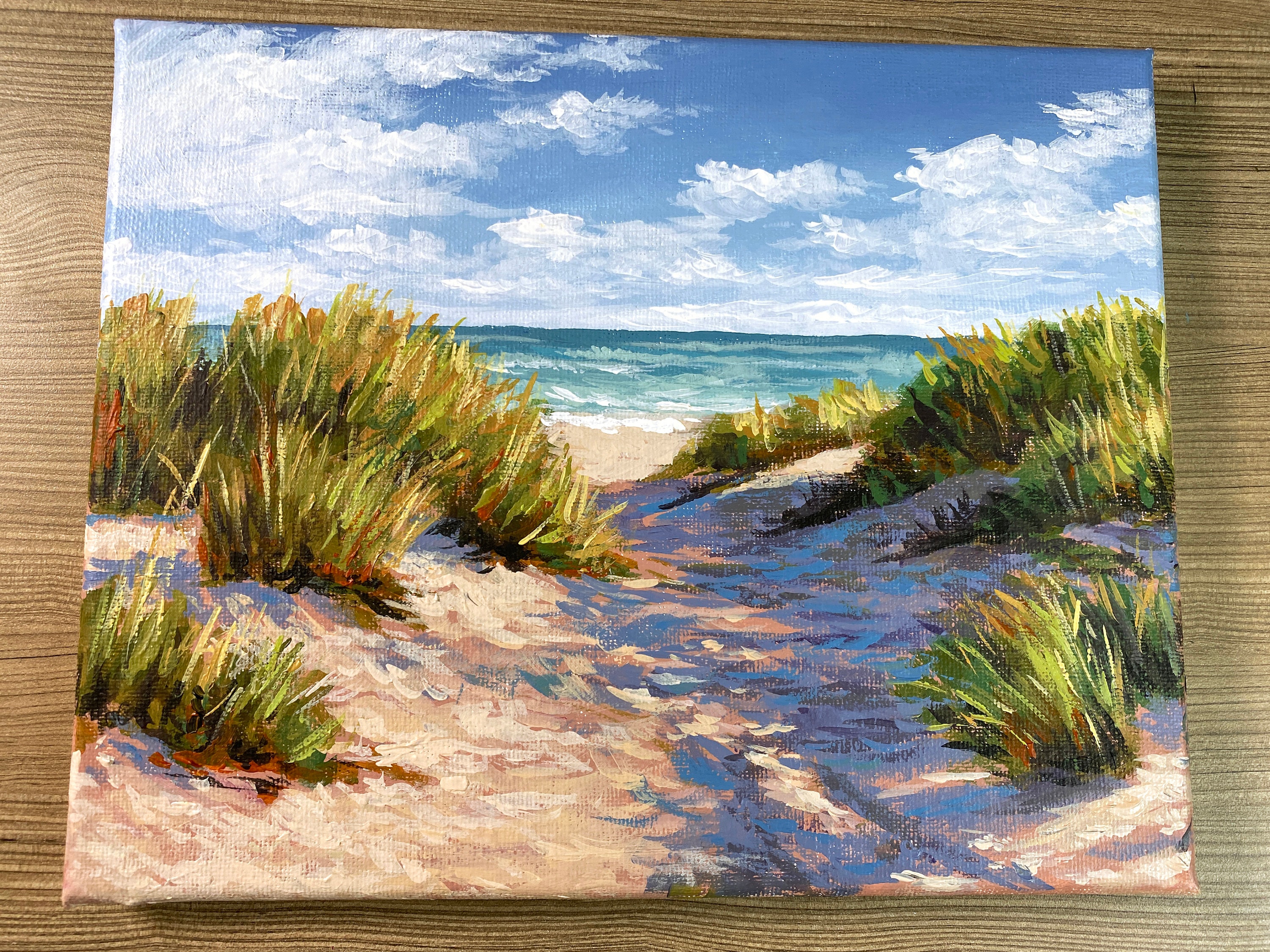
Table of Content
Capturing the essence of a beach, with its shifting sands, lapping waves, and sun-kissed textures, is a challenge that many artists face. Beach texture painting, however, offers a unique opportunity to bring these elements to life on canvas, creating scenes that transport viewers to the shore. This article delves into the techniques and tools that can elevate your beach paintings to a level of breathtaking realism.
Understanding the Essence of Beach Textures
Before we delve into the techniques, it’s crucial to understand the characteristics of beach textures. They are not merely smooth surfaces but intricate patterns woven by nature.
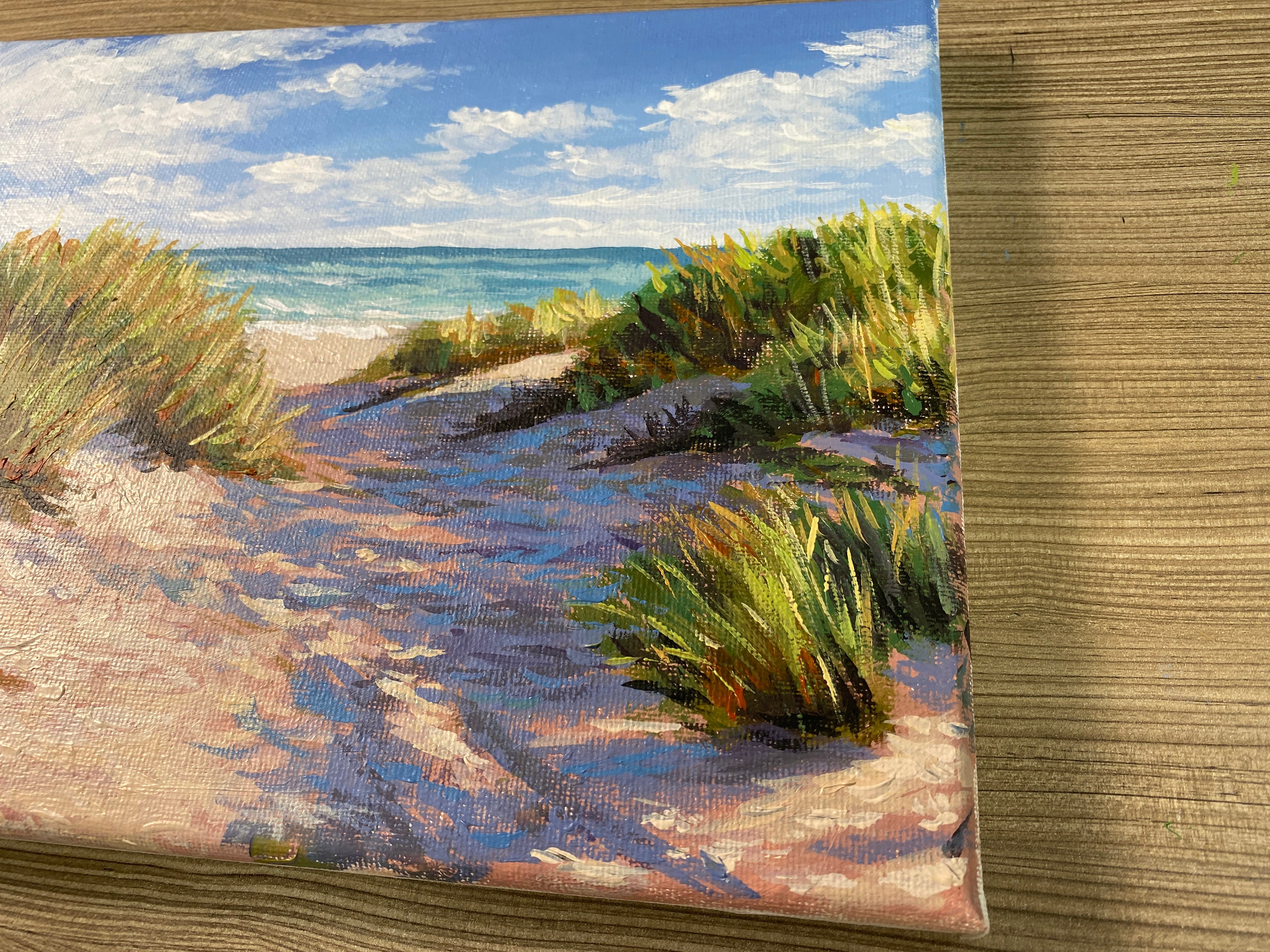
- Sand: From the fine, powdery grains of a tropical beach to the coarse, gritty texture of a rocky shoreline, sand exhibits a wide range of textures. The size, shape, and composition of sand grains affect their appearance, from smooth and uniform to rough and uneven.
- Water: The ebb and flow of the ocean creates a dynamic surface, constantly changing and reflecting light. Waves, foam, and the interplay of light and shadow contribute to the unique textures of the water.
- Foliage: Palm trees, seagrass, and driftwood contribute organic textures to the beach environment. Their shapes, colors, and textures add depth and visual interest to the overall scene.
- Light: The sun’s rays play a crucial role in shaping the appearance of beach textures. The way light interacts with sand, water, and foliage creates highlights, shadows, and subtle variations in color.
Tools of the Trade: Brushes, Paints, and More

The right tools are essential for achieving realistic beach textures.
Brushes:
- Flat Brushes: Ideal for creating broad strokes and laying down washes of color for the sky, water, and sand. Choose a variety of sizes to create different scale effects.
- Round Brushes: Perfect for rendering details like shells, rocks, and foliage. Use fine-pointed brushes for delicate details and larger brushes for broader strokes.
- Fan Brushes: Excellent for capturing the movement of waves and the texture of sand dunes.
- Textured Brushes: Brushes with textured bristles, such as bristle brushes or textured sponges, can create natural-looking sand and water textures.
Paints:
- Acrylic Paints: Acrylics are versatile and fast-drying, making them suitable for layering and blending. They offer a wide range of colors and can be thinned with water to achieve different transparencies.
- Oil Paints: Oils allow for more blending and detail work, offering a richer, more luminous finish. They are slower drying, providing more time for adjustments.
- Watercolors: Watercolors are transparent and create delicate washes, perfect for capturing the ethereal beauty of the beach.

Other Tools:
- Palette Knives: Use palette knives to apply thick layers of paint, create textured surfaces, and scrape back paint to reveal underlying layers.
- Sponges: Sponges can be used to apply washes of color, create textural effects, and blend colors.
- Sgraffito Tools: Sgraffito tools are used to scratch through layers of paint, revealing underlying colors and creating interesting textures.
- Masking Fluid: Masking fluid can be used to protect areas of your painting while you work on other areas. This is particularly useful for creating sharp edges and details.
Techniques for Capturing Realistic Beach Textures
1. Layering and Glazing:
- Creating Depth and Dimension: Layering different colors and glazes is crucial for achieving depth and dimension in beach paintings.
- Building up Texture: Start with a thin wash of color for the background, then gradually add layers of paint to build up the texture and detail of the foreground.
- Glazing: Glazing involves applying thin, transparent layers of paint over a dried base layer. This technique can create subtle color variations and enhance the luminosity of your painting.
2. Impasto:
- Creating Texture: Impasto is a technique that involves applying thick layers of paint to the canvas, creating a raised, textured surface.
- Realistic Sand and Waves: This technique is particularly effective for capturing the texture of sand, waves, and rocks. Use a palette knife or a textured brush to apply the paint.
- Experiment with Colors: Experiment with different colors and combinations to create a variety of textures and visual effects.
3. Scumbling:
- Blending and Softening: Scumbling involves lightly dragging a dry brush over a wet layer of paint, creating a soft, blended effect.
- Creating Subtle Variations: This technique is useful for creating subtle variations in color and texture, particularly for depicting sand dunes, water, and foliage.
- Achieving a Natural Look: Scumbling helps to create a more natural, less-defined look, which is ideal for capturing the organic textures of the beach.
4. Dry Brushing:
- Highlighting Texture: Dry brushing involves using a brush with very little paint on it to create a light, textured effect.
- Adding Dimension: Dry brushing can be used to highlight the texture of sand, rocks, and foliage, adding depth and dimension to your painting.
- Creating a Sense of Light: Dry brushing can also be used to create a sense of light and shadow, further enhancing the realism of your scene.
5. Using Texture Mediums:
- Enhancing Texture: Texture mediums are available in a variety of forms, such as gels, pastes, and powders. They can be added to paint to create different textures and effects.
- Sand Texture: Sand mediums can be used to create realistic sand textures. Mix them with paint or apply them directly to the canvas.
- Water Texture: Water mediums can be used to create shimmering, reflective surfaces that mimic the appearance of water.
6. Capturing the Movement of Water:
- Dynamic Strokes: Use sweeping, dynamic brushstrokes to capture the movement of waves.
- Blending and Glazing: Blend colors to create a sense of depth and movement in the water. Use glazing techniques to create shimmering highlights and shadows.
- Foamy Textures: Create foamy textures by using a dry brush or a sponge to apply white paint to the edges of the waves.
7. Adding Foliage and Other Elements:
- Organic Shapes: Use loose, organic brushstrokes to create the textures of palm trees, seagrass, and other beach foliage.
- Adding Detail: Add detail to the foliage by using different colors, textures, and brushstrokes.
- Creating Depth: Use layering techniques to create a sense of depth and perspective in the foliage.
8. Capturing Light and Shadow:
- Observe the Light: Pay close attention to the way light interacts with the beach environment. Observe the direction of the sun, the shadows it casts, and the highlights it creates.
- Using Color: Use warm colors to represent areas that are illuminated by the sun, and cool colors to represent areas in shadow.
- Adding Contrast: Create contrast between light and shadow to enhance the depth and realism of your painting.
Tips for Success
- Start with a Sketch: A rough sketch will help you plan your composition and layout.
- Observe Nature: Spend time observing the beach, noting the textures, colors, and light patterns. Take photographs or make sketches to reference later.
- Experiment with Techniques: Don’t be afraid to experiment with different techniques and tools. Find what works best for you and your style.
- Practice Regularly: The more you practice, the better you will become at capturing realistic beach textures.
- Seek Feedback: Show your work to other artists or experienced painters for feedback and suggestions.
Conclusion
Mastering beach texture painting requires a combination of technical skill, observation, and creativity. By understanding the characteristics of beach textures, experimenting with different techniques, and practicing regularly, you can create breathtakingly realistic scenes that capture the beauty and dynamism of the shoreline. Embrace the challenge, unleash your creativity, and let your brushstrokes transport viewers to the sandy shores of their dreams.

Mastering Beach Texture Painting: Techniques for Creating Realistic Scenes
Post a Comment for "Beach Texture Painting: Techniques For Creating Realistic Scenes"