Zero Rust Paint: Ultimate Protection for Metal Surfaces
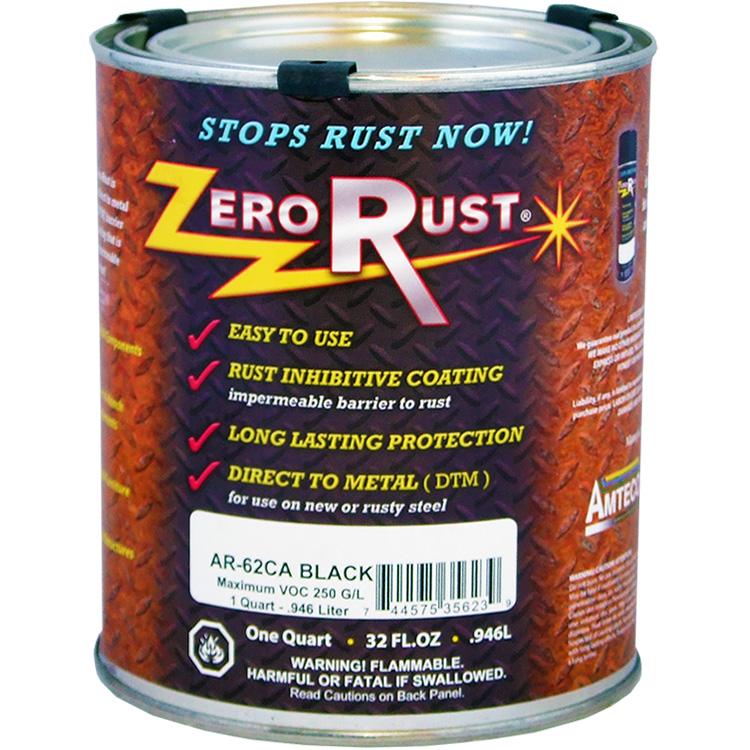
Table of Content
- 1 Zero Rust Paint: Ultimate Protection for Metal Surfaces
- 1.1 Understanding the Threat of Rust
- 1.2 The Science Behind Zero Rust Paint
- 1.3 Benefits of Using Zero Rust Paint
- 1.4 Applications of Zero Rust Paint
- 1.5 Choosing the Right Zero Rust Paint
- 1.6 Applying Zero Rust Paint
- 1.7 Maintaining Zero Rust Paint
- 1.8 Conclusion
Zero rust paint, a revolutionary coating designed to combat the relentless corrosion of metal surfaces, offers unparalleled protection against the elements and the ravages of time. This specialized paint, formulated with advanced technologies, provides a durable and aesthetically pleasing barrier against rust, extending the lifespan of metal structures and enhancing their visual appeal.
Understanding the Threat of Rust
Rust, the insidious enemy of metal, is a form of corrosion that occurs when iron reacts with oxygen in the presence of water or moisture. This chemical reaction, known as oxidation, transforms the iron into iron oxide, commonly known as rust. Rust is a reddish-brown substance that weakens the metal, causing it to deteriorate and eventually crumble.
The impact of rust extends beyond mere aesthetic damage. It can compromise the structural integrity of metal components, leading to costly repairs, replacements, and even safety hazards. In industries like construction, automotive, marine, and aerospace, rust poses a significant threat to equipment, infrastructure, and safety.
The Science Behind Zero Rust Paint
Zero rust paint employs a multifaceted approach to combat rust, utilizing a combination of innovative technologies and high-quality ingredients:
- Zinc-Rich Primers: These primers contain high concentrations of zinc, a highly reactive metal that acts as a sacrificial anode. When exposed to moisture, zinc reacts with oxygen before the iron, protecting the underlying metal from rust.
- Epoxy Resins: Epoxy resins form a tough, durable barrier that adheres strongly to the metal surface, preventing moisture and oxygen from reaching the substrate.
- Polyurethane Coatings: Polyurethane coatings offer excellent resistance to UV radiation, abrasion, and chemicals, further enhancing the protective barrier.
- Inhibitors: Some zero rust paints incorporate chemical inhibitors that slow down the oxidation process by interrupting the chemical reaction between iron, oxygen, and water.
Benefits of Using Zero Rust Paint
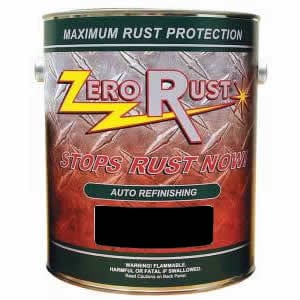
Investing in zero rust paint offers numerous advantages:
- Unmatched Rust Protection: Zero rust paint provides a superior barrier against rust, extending the lifespan of metal structures and reducing maintenance costs.
- Enhanced Durability: The robust formulations of zero rust paints offer excellent resistance to abrasion, impact, and weathering, ensuring long-lasting performance.
- Aesthetic Appeal: Zero rust paints are available in a wide range of colors and finishes, allowing for aesthetically pleasing and durable coatings.
- Cost-Effective: While the initial investment in zero rust paint may be higher than conventional paints, the long-term cost savings due to reduced maintenance and replacement costs make it a wise investment.
- Environmental Friendliness: Many zero rust paints are formulated with environmentally friendly ingredients, minimizing their impact on the environment.

Applications of Zero Rust Paint
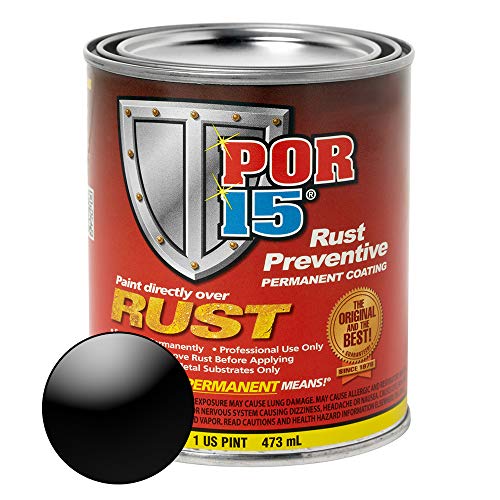
Zero rust paint finds widespread application across various industries, including:
- Construction: Protecting steel structures like bridges, buildings, and industrial facilities.
- Automotive: Restoring and protecting classic cars, trucks, and other vehicles.
- Marine: Coating boats, ships, and other marine structures to prevent corrosion from saltwater.
- Aerospace: Protecting aircraft and other aerospace components from the harsh conditions of flight.
- Industrial: Protecting machinery, equipment, and pipelines from rust and corrosion.
- Home Improvement: Protecting metal fences, gates, railings, and outdoor furniture.
Choosing the Right Zero Rust Paint
Selecting the right zero rust paint depends on the specific application and environmental conditions. Consider these factors:
- Substrate: The type of metal being coated (steel, aluminum, galvanized steel) will determine the appropriate primer and topcoat.
- Environment: The exposure to moisture, UV radiation, chemicals, and temperature will influence the choice of paint.
- Performance Requirements: The desired level of rust protection, durability, and aesthetics will guide the selection.
Applying Zero Rust Paint
Proper application of zero rust paint is crucial for achieving optimal performance. Follow these steps:
- Surface Preparation: Thoroughly clean and prepare the metal surface by removing dirt, grease, rust, and any other contaminants.
- Priming: Apply a zinc-rich primer to the prepared surface, ensuring even coverage and proper adhesion.
- Topcoat Application: Apply the chosen topcoat in thin, even layers, allowing each layer to dry completely before applying the next.
- Curing: Allow the paint to cure fully according to the manufacturer’s instructions.
Maintaining Zero Rust Paint
Maintaining zero rust paint ensures its longevity and effectiveness:
- Regular Inspections: Inspect the coated surface for any signs of damage, wear, or rust.
- Cleaning: Regularly clean the surface with mild detergent and water to remove dirt and debris.
- Touch-ups: Repair any minor scratches or chips with the same type of paint.
Conclusion
Zero rust paint stands as a testament to the advancements in paint technology, offering unparalleled protection against the relentless threat of rust. By understanding the science behind its formulation, the diverse applications, and the proper application and maintenance techniques, you can harness the power of zero rust paint to extend the lifespan of metal surfaces and enhance their aesthetic appeal.

Zero Rust Paint: Ultimate Protection for Metal Surfaces
Post a Comment for "Zero Rust Paint: Ultimate Protection For Metal Surfaces"