12 Paint Brushes: Your Guide to Precision and Detail in Art
Table of Content
The world of paint brushes is a vast and varied landscape, offering a tool for every artistic need. But when it comes to achieving intricate details and delicate strokes, a select group of brushes stands out. These 12 paint brushes, each with its unique characteristics, are your key to unlocking the potential for precise and captivating artwork.
1. Round Brushes:
- Series 7 Kolinsky Sable Round: The gold standard of round brushes, Kolinsky sable brushes are prized for their exceptional softness, spring, and ability to hold a fine point. Their tapered shape allows for precise control over paint flow, making them ideal for detailed work, blending, and delicate lines.
- Synthetic Round Brushes: A cost-effective alternative to sable, synthetic round brushes offer similar performance with a slightly less delicate touch. They are excellent for beginners and students, providing a balance between affordability and quality.
- Round Brushes for Watercolor: Watercolor rounds are typically made with soft, absorbent bristles that are ideal for creating washes and blending colors. Their flexibility allows for both delicate lines and broad strokes, making them versatile tools for watercolor painting.
2. Filbert Brushes:
- Filbert Brushes: These brushes, with their flat, oval-shaped head, offer a unique blend of control and versatility. They are excellent for blending, creating smooth transitions, and laying down broad washes. Their slightly rounded edges allow for subtle details, making them a favorite among landscape and portrait artists.

3. Fan Brushes:
- Fan Brushes: These unique brushes, with their wide, flat, and fanned bristles, are designed for specific tasks. They excel at blending, softening edges, creating textures, and applying washes. Their versatility extends to creating hair, grass, and other natural elements in artwork.

4. Liner Brushes:
- Liner Brushes: These brushes, with their long, thin, and pointed bristles, are perfect for creating fine lines, details, and intricate patterns. Their precise control allows for delicate work in both watercolor and oil painting, making them invaluable for intricate details and lettering.
5. Detail Brushes:
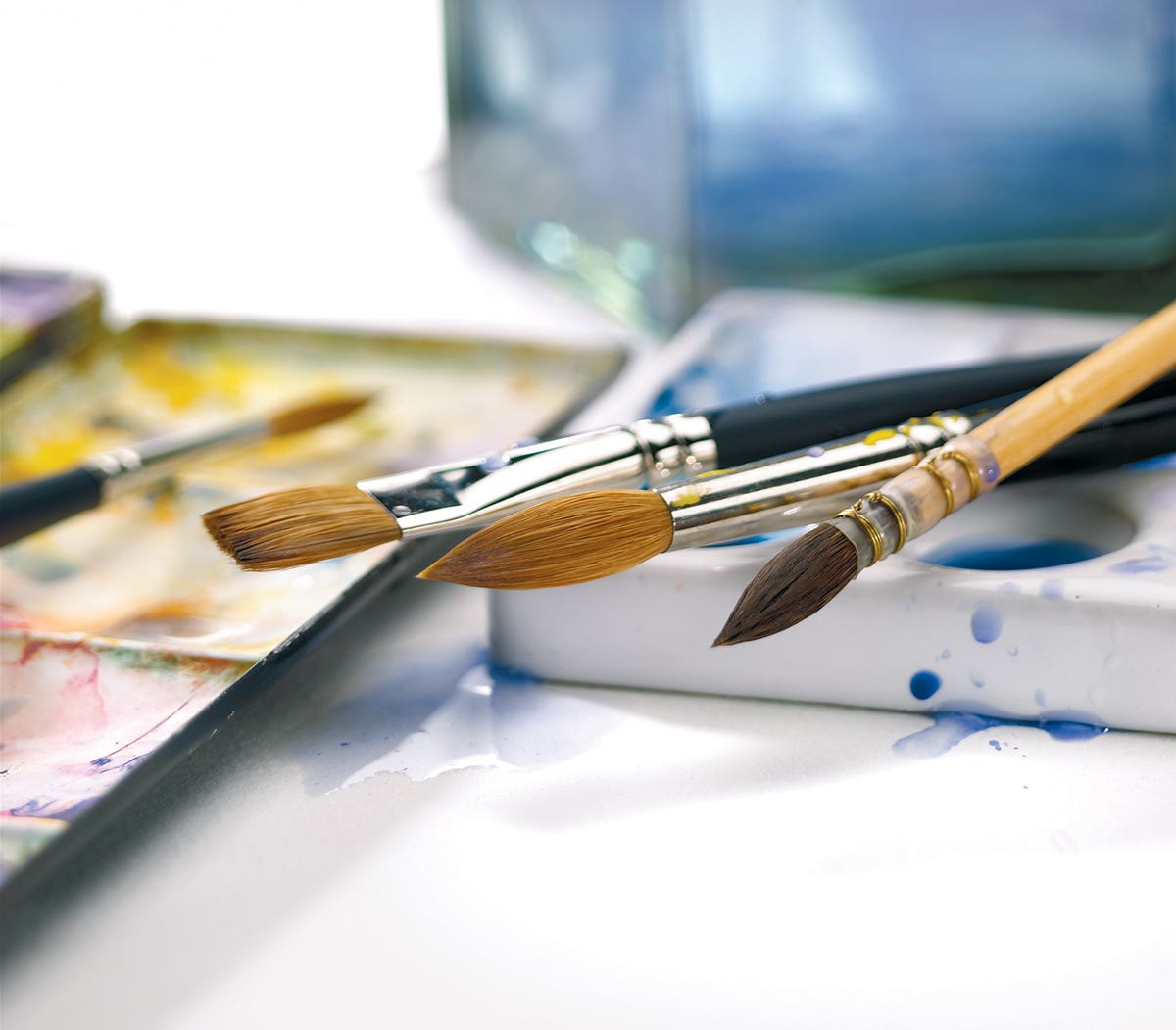
- Detail Brushes: These brushes are specifically designed for meticulous work. Their small size and fine bristles allow for precise application of paint, making them ideal for adding fine details, outlining, and creating intricate textures.
6. Flat Brushes:
- Flat Brushes: These brushes, with their rectangular head and straight bristles, offer excellent control for laying down flat washes, creating sharp edges, and applying thick layers of paint. They are often used for blocking in large areas, creating backgrounds, and applying glazes.
7. Angular Brushes:
- Angular Brushes: These brushes, with their angled head and straight bristles, are designed for precise control and sharp edges. They are excellent for creating lines, outlining, and applying paint in a controlled manner. They are particularly useful for architectural details, lettering, and creating geometric shapes.
8. Script Liner Brushes:
- Script Liner Brushes: These brushes, with their long, flexible bristles and pointed tip, are specifically designed for calligraphy and lettering. Their unique shape allows for controlled strokes and graceful curves, making them ideal for creating elegant lettering and decorative elements.
9. Rigger Brushes:
- Rigger Brushes: These brushes, with their long, thin, and pointed bristles, are designed for precise detail work and creating long, straight lines. They are often used for outlining, creating fine details, and painting hair or other delicate features.
10. Wash Brushes:
- Wash Brushes: These brushes, with their wide, flat head and soft bristles, are designed for applying washes of paint quickly and efficiently. They are ideal for creating large areas of color, blending, and softening edges.
11. Palette Knives:
- Palette Knives: While not technically brushes, palette knives are essential tools for detail work. They can be used to mix paints, scrape off excess paint, and create unique textures in artwork. Their versatility makes them invaluable for a range of techniques, from impasto to scraping techniques.
12. Specialty Brushes:
- Fan Brushes: These brushes, with their wide, flat, and fanned bristles, are designed for specific tasks. They excel at blending, softening edges, creating textures, and applying washes. Their versatility extends to creating hair, grass, and other natural elements in artwork.
- Stippling Brushes: These brushes, with their short, stubby bristles, are designed for creating textured effects. They are often used to create dots, stippling, and other textural elements in artwork.
- Sponge Brushes: These brushes, with their sponge-like head, are designed for applying paint in a controlled manner. They are often used for creating washes, backgrounds, and textured effects.
Choosing the Right Brush for Your Needs:
- Size: The size of the brush head is crucial for controlling the amount of paint you apply. Smaller brushes are ideal for detail work, while larger brushes are better suited for broad strokes and washes.
- Bristle Type: The type of bristle determines the brush’s texture, responsiveness, and paint-holding capacity. Natural bristles like sable are known for their softness, spring, and ability to hold a fine point, while synthetic bristles offer a more affordable and durable alternative.
- Shape: The shape of the brush head determines its versatility and the types of strokes you can achieve. Round brushes are excellent for detail work, while flat brushes are better suited for broad strokes and washes.
Maintaining Your Brushes:
- Cleaning: Regularly clean your brushes with soap and water or a brush cleaner to remove paint and extend their lifespan.
- Storage: Store your brushes upright in a brush holder or container to prevent them from bending or warping.
Mastering the Art of Detail:
With the right tools and a little practice, you can master the art of detail work. Experiment with different brushes and techniques to find what works best for you. Remember, detail work is a journey of exploration and discovery, so embrace the process and enjoy the rewards of creating intricate and captivating artwork.
12 Paint Brushes: Your Guide to Precision and Detail in Art
Post a Comment for "12 Paint Brush: Choosing The Right Tool For Detailed Work"