Mastering Aircraft Paint Removal: A Comprehensive Guide to Safety and Efficiency

Aircraft paint removal is a specialized task demanding precision, safety, and a deep understanding of the process. Whether you’re a seasoned professional or a DIY enthusiast tackling a restoration project, this comprehensive guide will equip you with the knowledge and techniques to achieve optimal results while prioritizing safety.
Understanding Aircraft Paint Removal
Aircraft paint, unlike automotive paint, is designed for extreme conditions, including high altitudes, temperature fluctuations, and intense weather. This robust nature necessitates specialized paint removers and careful application techniques.
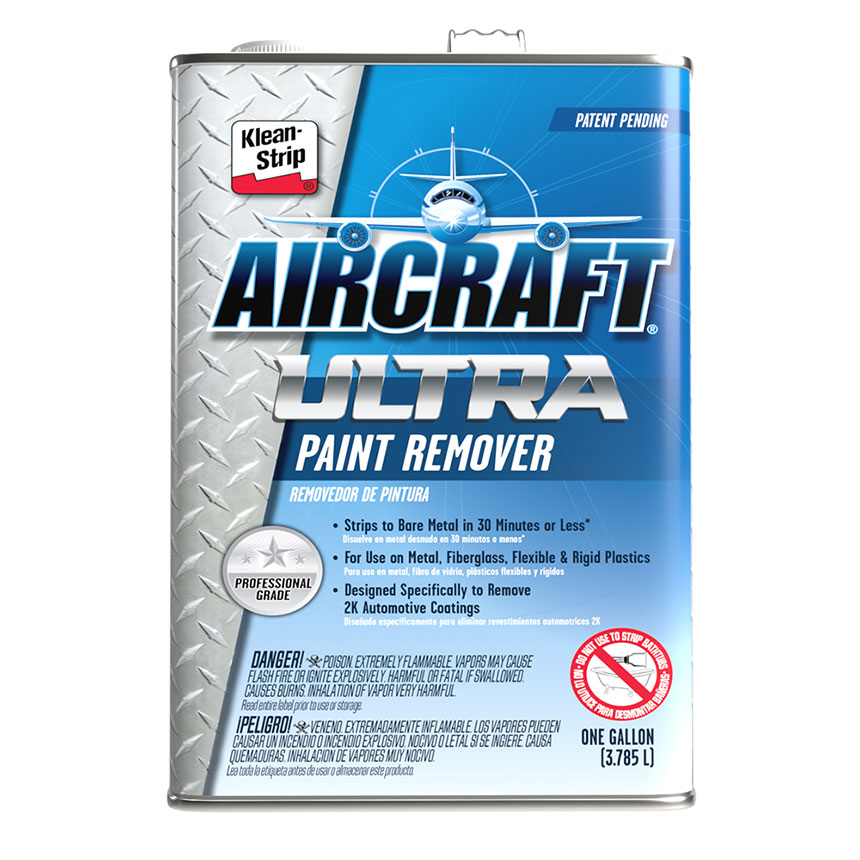
1. Choosing the Right Paint Remover
The first step is selecting the appropriate paint remover for your aircraft. Consider these factors:
- Paint Type: Different paint types require specific removers. Identify the type of paint on your aircraft (e.g., epoxy, polyurethane, acrylic) to select a compatible remover.
- Aircraft Material: The material of the aircraft (aluminum, composite, etc.) influences the choice of remover. Some removers can damage certain materials, so compatibility is crucial.
- Environmental Considerations: Select a remover that meets environmental regulations and minimizes harmful emissions.

2. Safety First: Protective Gear and Precautions
Aircraft paint removers are powerful chemicals that require careful handling. Prioritize safety by:
- Wearing Proper Protective Gear: This includes a respirator with organic vapor cartridges, chemical-resistant gloves, goggles, and a long-sleeved coverall.
- Working in a Well-Ventilated Area: Ensure adequate air circulation to prevent exposure to fumes.
- Avoiding Skin Contact: Immediately wash any skin contact with soap and water.
- Storing Removers Safely: Store removers in their original containers, in a cool, dry, and well-ventilated area, away from heat and direct sunlight.
3. Preparation is Key: Pre-Removal Steps
Before applying the remover, thorough preparation is essential:
- Clean the Surface: Remove any dirt, debris, grease, or oil from the surface to ensure proper adhesion of the remover.
- Masking and Protection: Protect surrounding areas and sensitive components with masking tape and plastic sheeting.
- Test in an Unconspicuous Area: Apply a small amount of remover to a hidden area to check for compatibility and desired results.
4. Application Techniques: Achieving Optimal Results
The application method significantly impacts the effectiveness and safety of the removal process.
- Direct Application: Apply the remover directly to the paint using a brush, roller, or spray gun.
- Soaking Method: Saturate a cloth with the remover and wrap it around the painted area. Allow it to soak for the recommended time.
- Chemical Stripping: This method involves applying the remover in thin layers and allowing it to react with the paint.
5. Removal and Cleaning: Completing the Process
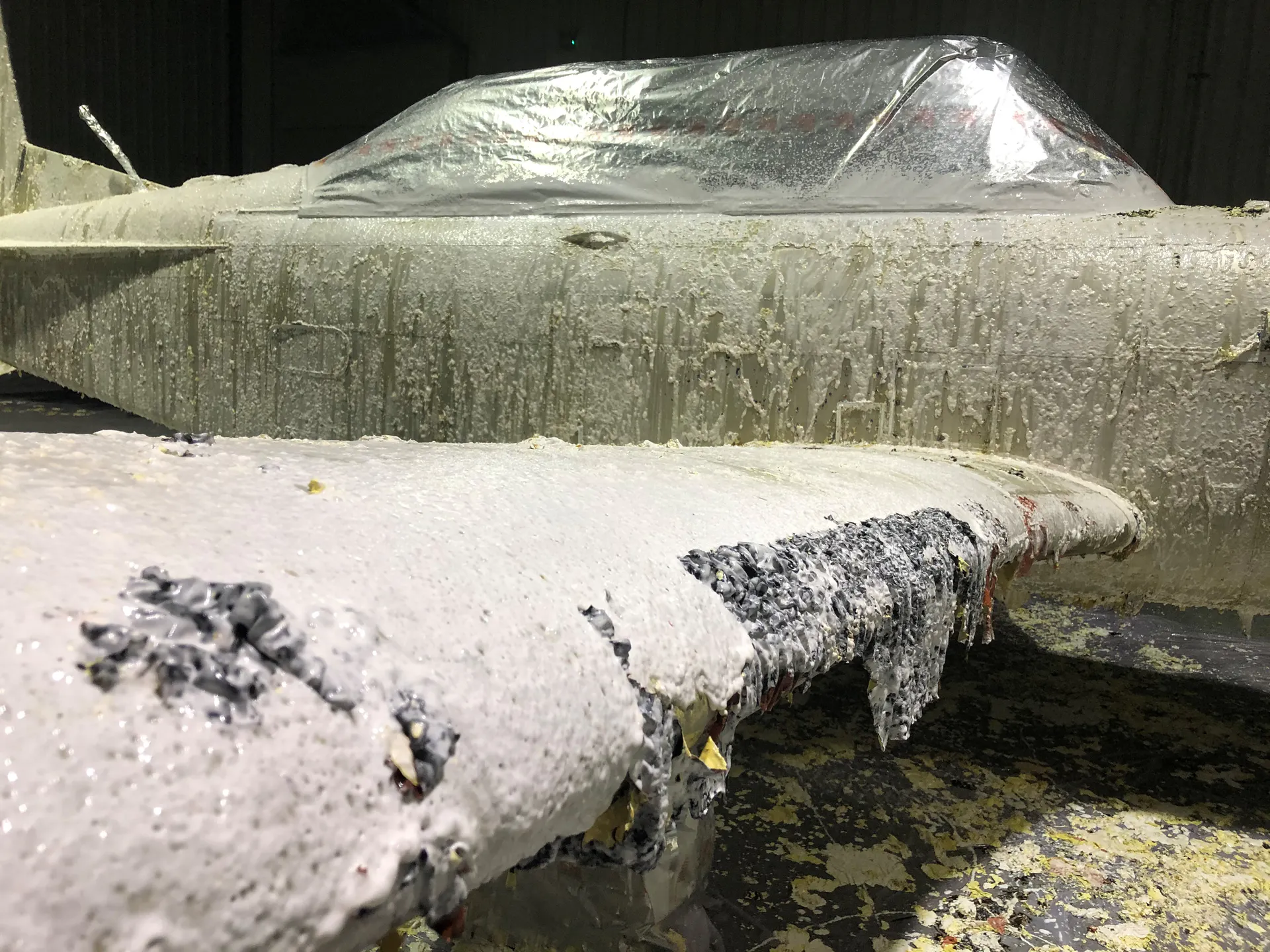
Once the paint has softened, carefully remove it using a scraper, putty knife, or wire brush.
- Thorough Cleaning: After removing the paint, thoroughly clean the surface with a solvent (e.g., mineral spirits) to remove any residual remover and paint.
- Neutralization: Use a neutralizing solution to neutralize any remaining chemical residues, preventing potential damage to the underlying material.
- Inspection: Inspect the surface for any remaining paint or residue. If necessary, repeat the removal process.
6. Post-Removal Treatments: Protecting the Aircraft
After cleaning, consider these post-removal treatments:
- Primer: Apply a primer to the bare metal or composite surface to provide a smooth and uniform base for the new paint.
- Paint Application: Apply the new paint according to the manufacturer’s instructions.
- Final Inspection: Thoroughly inspect the finished work for any imperfections or defects.
7. Environmental Considerations: Responsible Disposal
Proper disposal of paint removers and related waste is essential for environmental protection.
- Container Recycling: Recycle empty containers according to local regulations.
- Waste Disposal: Dispose of chemical waste in accordance with environmental guidelines.
8. Advanced Techniques: Specialized Applications
For specific aircraft paint removal situations, consider these advanced techniques:
- Sandblasting: A highly effective method for removing thick layers of paint, but requires specialized equipment and expertise.
- Laser Stripping: Utilizes laser technology to remove paint without damaging the underlying material.
- Electrochemical Removal: Employs an electrolytic process to remove paint, suitable for delicate surfaces.
9. DIY vs. Professional Assistance:
While DIY aircraft paint removal is possible, it requires specialized knowledge and equipment. Consider these factors:
- Complexity of the Project: For extensive or complex projects, professional assistance is recommended.
- Safety Concerns: Working with paint removers involves inherent risks; professional expertise ensures safety.
- Time and Resources: DIY projects require significant time and resources.
10. Cost Considerations:
The cost of aircraft paint removal varies depending on the project’s scope, chosen method, and professional assistance.
- DIY: Lower initial costs, but potential for additional expenses due to mistakes or unexpected challenges.
- Professional Assistance: Higher initial costs, but ensures proper execution, safety, and long-term results.
Conclusion
Mastering aircraft paint removal requires a meticulous approach, prioritizing safety and utilizing the right tools and techniques. By following this comprehensive guide, you can achieve optimal results while ensuring the longevity and safety of your aircraft. Remember, professional assistance is often recommended for complex projects or when safety concerns are paramount.

Mastering Aircraft Paint Removal: A Comprehensive Guide to Safety and Efficiency
Post a Comment for "Using Aircraft Paint Remover Safely And Effectively"