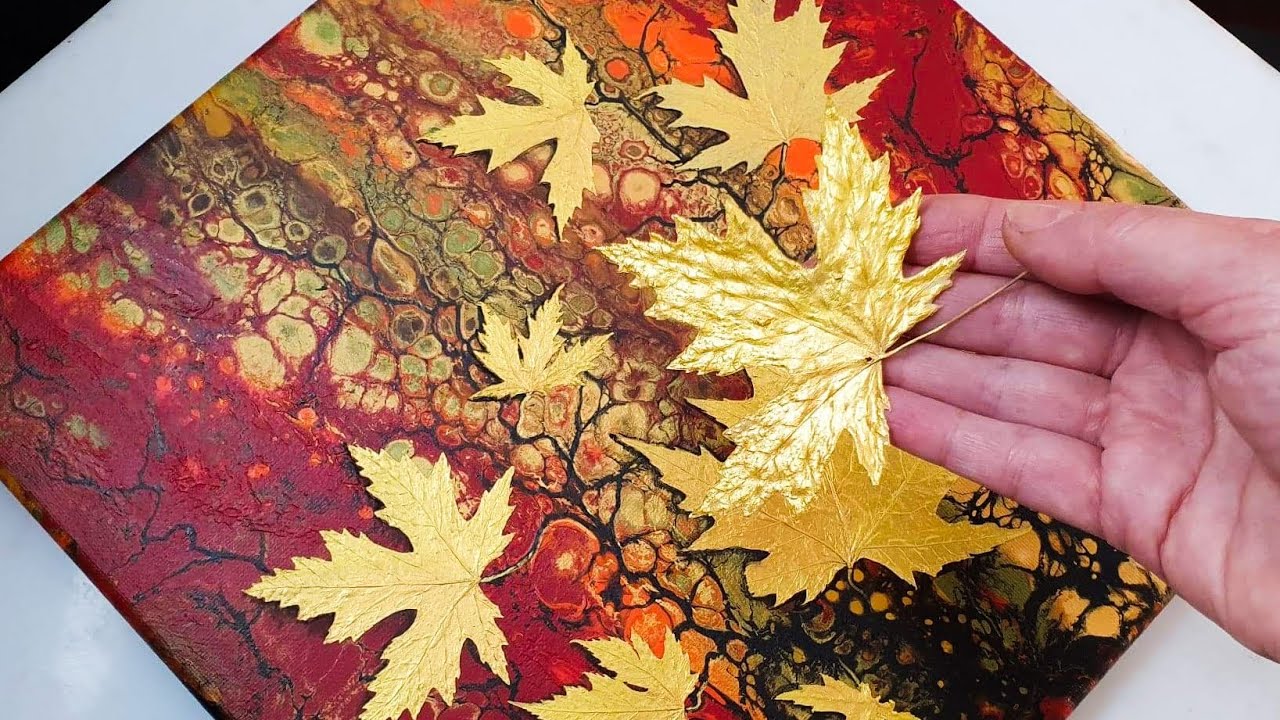
Autumn Art: Fall Leaves Acrylic Painting Techniques for Stunning Masterpieces
As the crisp autumn air paints the landscape with vibrant hues, it’s time to capture the ephemeral beauty of fall leaves through the enchanting medium of acrylic painting. With its versatility and quick-drying properties, acrylics offer a captivating canvas for exploring the intricate textures and colors of autumn’s foliage. Whether you’re a seasoned artist or a budding enthusiast, this comprehensive guide will equip you with the techniques and insights to create stunning fall leaves acrylic paintings that will evoke the essence of the season.
Essential Materials for Fall Leaves Acrylic Painting
Embarking on your autumn art journey requires a carefully curated collection of materials:
- Acrylic paints: Select high-quality acrylic paints in a range of fall colors, including shades of red, orange, yellow, brown, and green.
- Brushes: Gather a variety of brushes, including flat, round, and filbert brushes, in different sizes to accommodate various painting techniques.
- Canvas or painting surface: Choose a canvas or other painting surface that provides a sturdy base for your artwork.
- Palette: Use a palette to mix and blend your acrylic paints.
- Water cup: Keep a cup of water nearby for thinning paints and cleaning brushes.
- Rags or paper towels: Have rags or paper towels on hand for wiping brushes and cleaning up spills.
Capturing the Essence of Fall Leaves
To accurately depict the intricate details and textures of fall leaves, it’s crucial to observe their unique characteristics:
- Veins: Fall leaves are adorned with intricate veins that create a delicate network. Use fine brushes and a light touch to paint these veins, paying attention to their direction and branching patterns.
- Edges: The edges of fall leaves often exhibit a serrated or scalloped appearance. Use a sharp brush to create these edges, carefully following the contours of the leaf.
- Texture: Fall leaves possess a subtle texture that can be captured through the use of impasto techniques. Apply thick layers of paint with a palette knife or stiff brush to create a sense of depth and realism.
Step-by-Step Guide to Painting Fall Leaves
1. Sketch the Leaf: Begin by sketching the outline of the leaf onto your canvas or painting surface. Use a light pencil and focus on capturing the overall shape and proportions.
2. Apply Base Colors: Mix the desired fall colors on your palette and apply them to the leaf, starting with the lightest shades. Use a flat brush to cover the entire surface, leaving some areas lighter to create highlights.
3. Paint the Veins: Dip a fine brush into a darker shade of paint and carefully paint the veins of the leaf. Follow the natural direction and branching patterns, using a light touch to avoid overpowering the base colors.
4. Create Depth: To add depth and dimension, mix a darker shade of paint and apply it to the areas around the veins and edges of the leaf. Use a smaller brush to create subtle shadows and highlights.
5. Enhance Texture: For a more realistic effect, apply thick layers of paint to create texture. Use a palette knife or stiff brush to dab or stroke the paint onto the canvas, focusing on areas such as the center of the leaf or the edges.
6. Refine Details: Once the basic structure is complete, take time to refine the details. Use a fine brush to add small highlights, such as tiny dots or lines, to create a sense of realism.
7. Finish with a Clear Coat: To protect your painting and enhance its vibrancy, apply a thin layer of clear acrylic varnish or sealant. Allow it to dry completely before displaying your masterpiece.
Tips for Stunning Fall Leaves Paintings
- Experiment with Colors: Don’t limit yourself to traditional fall colors. Explore a range of shades and hues to create unique and captivating compositions.
- Use Reference Photos: Take photographs of real fall leaves to capture their intricate details and use them as references for your paintings.
- Layer and Blend: Layer different shades of paint and blend them smoothly to create a sense of depth and realism.
- Add Highlights and Shadows: Use highlights and shadows to accentuate the contours and textures of the leaves.
- Practice and Experiment: The key to mastering fall leaves acrylic painting is practice and experimentation. Don’t be afraid to try different techniques and find what works best for you.
Conclusion
With the techniques and insights provided in this comprehensive guide, you’re now equipped to create stunning fall leaves acrylic paintings that will capture the beauty and essence of the season. Embrace the vibrant hues, intricate textures, and delicate details of autumn’s foliage, and let your creativity soar. Whether you’re an experienced artist or a beginner, the world of fall leaves acrylic painting awaits your exploration and artistic expression.
Post a Comment for "Autumn Art: Fall Leaves Acrylic Painting Techniques"