Mastering the Art of Airbrushing with Water-Based Paints: A Comprehensive Guide

Table of Content
Water-based paints have revolutionized airbrushing, offering a vibrant palette of colors with a smooth, even finish. Their versatility, ease of use, and low toxicity make them ideal for artists of all skill levels. This comprehensive guide will delve into the nuances of using water-based paints for airbrushing, covering everything from choosing the right paint to achieving professional-level results.
Understanding Water-Based Airbrush Paints
Water-based airbrush paints, also known as acrylic paints, are a water-soluble acrylic polymer suspension. They offer a unique combination of advantages:
- Fast Drying Time: Water-based paints dry quickly, allowing for layering and rapid project completion.
- Easy Cleanup: Water and soap are all you need to clean brushes, airbrushes, and palettes, simplifying the cleanup process.
- Vibrant Colors: The pigments in water-based paints offer a wide spectrum of vibrant hues, ensuring a rich and expressive palette.
- Versatile Application: They can be used on various surfaces, including paper, canvas, wood, metal, and even plastics.
- Low Toxicity: Water-based paints are less toxic than solvent-based paints, making them a safer choice for artists and the environment.
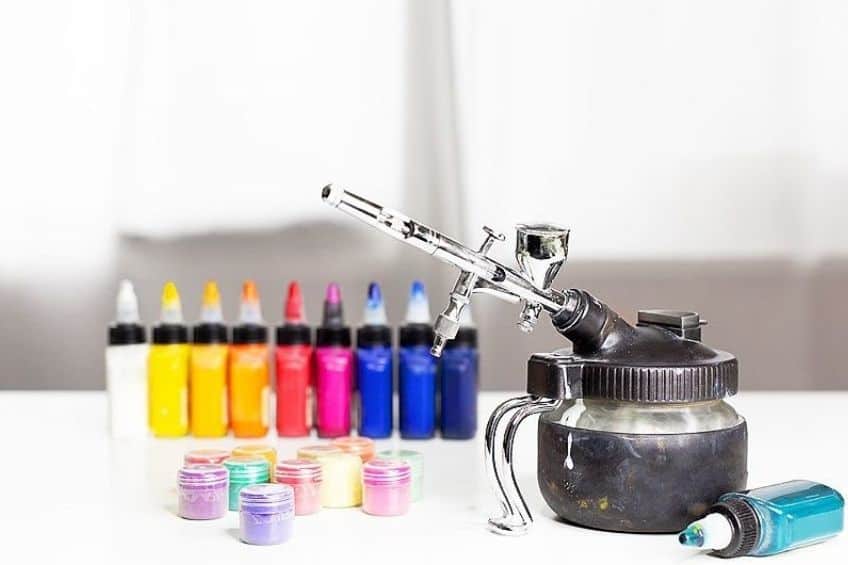
Choosing the Right Water-Based Airbrush Paint
Selecting the appropriate water-based paint for your project is crucial for achieving optimal results. Consider these factors:
- Brand Reputation: Reputable brands like Createx, Vallejo, and Wicked Colors offer high-quality paints with consistent performance.
- Pigment Concentration: Higher pigment concentration leads to richer colors and better coverage.
- Finish: Water-based paints come in various finishes, including matte, gloss, satin, and metallic. Choose the finish that best suits your artistic vision.
- Opacity: Opaque paints provide full coverage, while transparent paints allow underlying colors to show through.
- Surface Compatibility: Ensure the paint is compatible with the surface you’re working on. Some paints are specifically designed for certain materials.

Setting Up Your Airbrush Station

A well-organized workspace is essential for efficient and enjoyable airbrushing. Here’s what you’ll need:
- Airbrush: Choose an airbrush with a fine needle and nozzle for precise application. Single-action airbrushes are suitable for beginners, while dual-action airbrushes offer more control over air pressure and paint flow.
- Air Compressor: A reliable air compressor provides a steady flow of compressed air for your airbrush. Look for a compressor with a low noise level and sufficient pressure for your chosen paint.
- Airbrush Holder: A secure holder keeps your airbrush in place and prevents spills.
- Airbrush Cleaning Kit: A comprehensive cleaning kit includes brushes, needles, and cleaning solutions to maintain your airbrush.
- Masking Tape and Paper: Masking tape and paper are essential for protecting areas you don’t want to paint.
- Palette: A palette allows you to mix colors and create custom shades.
- Water Container: A container of clean water is needed for thinning paint and rinsing your airbrush.
Preparing Your Airbrush and Paint
Before you start airbrushing, ensure your airbrush and paint are properly prepared:
- Clean Your Airbrush: Thoroughly clean your airbrush with a specialized cleaning solution and compressed air.
- Thin Your Paint: Water-based paints typically require thinning to achieve the desired consistency for airbrushing. Use distilled water and experiment to find the optimal ratio for your paint.
- Fill Your Airbrush Cup: Fill the airbrush cup with the thinned paint, leaving some space for air.
- Test Spray: Before applying paint to your project, test spray on a scrap surface to ensure the paint flow and air pressure are correct.
Airbrushing Techniques for Water-Based Paints
Mastering airbrushing techniques is key to achieving professional-quality results:
- Hold the Airbrush Correctly: Hold the airbrush comfortably and at a consistent distance from your work surface.
- Control Air Pressure: Adjust the air pressure to achieve the desired paint flow and atomization.
- Use Smooth, Even Strokes: Move the airbrush smoothly and evenly to create a consistent paint application.
- Layer Your Colors: Apply multiple thin layers of paint for a smoother finish and better color blending.
- Practice Blending: Experiment with different techniques for blending colors, such as overlapping, cross-hatching, and feathering.
- Masking Techniques: Use masking tape and paper to protect areas you don’t want to paint, creating sharp lines and intricate details.
Troubleshooting Common Airbrushing Issues
Even experienced airbrush artists encounter occasional problems. Here are solutions for common issues:
- Paint Clogging: If your paint clogs, clean your airbrush thoroughly and ensure the paint is properly thinned.
- Uneven Coverage: Adjust the air pressure, distance from the surface, and paint consistency to achieve even coverage.
- Spitting or Dripping: Clean your airbrush, ensure the needle is seated correctly, and adjust the paint flow.
- Runs or Sags: Apply thin layers of paint and allow each layer to dry completely before applying the next.
- Color Variations: Ensure consistent paint mixing and use a color chart for reference.
Tips for Achieving Professional Results
- Use a Light Box: A light box provides even illumination, making it easier to see your work and apply paint accurately.
- Practice on Scrap Surfaces: Practice your techniques on scrap surfaces before applying paint to your final project.
- Clean Your Airbrush Regularly: Regular cleaning prevents paint buildup and ensures optimal performance.
- Store Your Airbrush Properly: Store your airbrush in a clean, dry place to protect it from dust and moisture.
- Experiment and Have Fun: Airbrushing is a creative process. Experiment with different techniques and colors to find your own style.
Examples of Airbrushing Projects with Water-Based Paints
- Fine Art: Water-based paints are ideal for creating realistic portraits, landscapes, and abstract art.
- Customizing Objects: Airbrush water-based paints to personalize items like helmets, guitars, and sneakers.
- Model Painting: Water-based paints are widely used in model painting, offering vibrant colors and a smooth finish.
- Automotive Art: Water-based paints can be used to create stunning custom paint jobs on cars, motorcycles, and other vehicles.
Conclusion
Water-based airbrush paints offer a versatile and user-friendly medium for artists of all skill levels. By understanding the nuances of choosing the right paint, setting up your workspace, and mastering airbrushing techniques, you can unlock a world of creative possibilities. With practice and patience, you can achieve professional-level results and express your artistic vision with confidence.
Our Form
Mastering the Art of Airbrushing with Water-Based Paints: A Comprehensive Guide for Artists
Introduction:
Airbrushing has become an indispensable tool for artists seeking to achieve precise detail, smooth gradients, and captivating effects. Among the various paint options available, water-based paints have gained immense popularity due to their versatility, ease of use, and low toxicity. This comprehensive guide will delve into the intricacies of using water-based paints for airbrushing, equipping you with the knowledge and skills to master this art form.
Understanding Water-Based Airbrush Paints:
Water-based airbrush paints, often referred to as acrylic paints, are a water-soluble acrylic polymer suspension. They offer a unique blend of advantages that make them ideal for airbrushing applications:
1. Fast Drying Time:
Water-based paints dry quickly, typically within a few minutes, allowing for rapid layering and project completion. This swift drying time eliminates the need for extended waiting periods between paint applications, enhancing productivity and workflow efficiency.
2. Easy Cleanup:
Water and soap are all you need to clean brushes, airbrushes, and palettes. This simple cleanup process minimizes the use of harsh solvents, making it a more environmentally friendly and user-friendly option compared to solvent-based paints.
3. Vibrant Colors:
Water-based paints boast a wide spectrum of vibrant hues, ensuring a rich and expressive palette for artists. The high pigment concentration in these paints delivers intense color saturation and exceptional coverage, allowing for stunning visual effects.
4. Versatile Application:
Water-based paints can be applied to a wide array of surfaces, including paper, canvas, wood, metal, and even plastics. This versatility expands their applications, enabling artists to explore diverse projects and creative expressions.
5. Low Toxicity:
Water-based paints are significantly less toxic than solvent-based paints, making them a safer choice for artists and the environment. Their low VOC (volatile organic compound) content reduces the risk of harmful fumes and emissions, promoting a healthier working environment.
Choosing the Right Water-Based Airbrush Paint:
Selecting the appropriate water-based paint for your project is paramount to achieving optimal results. Consider these crucial factors:
1. Brand Reputation:
Reputable brands like Createx, Vallejo, and Wicked Colors have established themselves as industry leaders, offering high-quality paints with consistent performance. These brands prioritize quality control, ensuring that their products deliver reliable results and meet the demands of professional artists.
2. Pigment Concentration:
Higher pigment concentration translates to richer colors and better coverage. Paints with a high pigment load offer greater opacity and vibrancy, enabling artists to achieve bold and striking effects with fewer layers.
3. Finish:
Water-based paints come in a variety of finishes, including matte, gloss, satin, and metallic. Each finish offers a distinct visual appeal, allowing artists to tailor their projects to their desired aesthetic. Matte finishes provide a subtle, non-reflective surface, while gloss finishes deliver a high-shine effect. Satin finishes offer a balanced blend of matte and gloss, creating a soft and elegant appearance. Metallic finishes introduce shimmering and iridescent effects, adding depth and dimension to artwork.
4. Opacity:
Opaque paints provide full coverage, obscuring any underlying colors or surfaces. Transparent paints, on the other hand, allow underlying colors to show through, creating a layered and translucent effect. The choice between opaque and transparent paints depends on the desired level of coverage and the artistic vision for the project.
5. Surface Compatibility:
Ensure the paint is compatible with the surface you’re working on. Some paints are specifically designed for certain materials, such as plastics or metals, to ensure optimal adhesion and prevent cracking or peeling.
Setting Up Your Airbrush Station:
A well-organized workspace is essential for efficient and enjoyable airbrushing. Here’s a checklist of essential equipment:
1. Airbrush:
Choose an airbrush with a fine needle and nozzle for precise application. Single-action airbrushes are suitable for beginners, allowing for basic control over paint flow. Dual-action airbrushes offer greater control, enabling artists to adjust both air pressure and paint flow simultaneously, providing greater precision and versatility.
2. Air Compressor:
A reliable air compressor provides a steady flow of compressed air for your airbrush. Look for a compressor with a low noise level and sufficient pressure for your chosen paint. The pressure required for airbrushing typically ranges from 15 to 45 PSI (pounds per square inch), depending on the paint viscosity and desired paint flow.
3. Airbrush Holder:
A secure holder keeps your airbrush in place and prevents spills. Airbrush holders can be mounted on a table or workbench, providing a convenient and organized storage solution.
4. Airbrush Cleaning Kit:
A comprehensive cleaning kit includes brushes, needles, and cleaning solutions to maintain your airbrush. Regular cleaning is crucial for preventing paint buildup and ensuring optimal performance.
5. Masking Tape and Paper:
Masking tape and paper are essential for protecting areas you don’t want to paint. Masking tape allows for precise masking of intricate shapes and lines, while masking paper provides broader protection for larger areas.
6. Palette:
A palette allows you to mix colors and create custom shades. Palettes can be made of various materials, such as plastic, ceramic, or glass, and are available in a range of sizes to accommodate different project needs.
7. Water Container:
A container of clean water is needed for thinning paint and rinsing your airbrush. Distilled water is recommended for thinning paint, as it does not contain impurities that can affect the paint’s consistency or performance.
Preparing Your Airbrush and Paint:
Before you start airbrushing, ensure your airbrush and paint are properly prepared:
1. Clean Your Airbrush:
Thoroughly clean your airbrush with a specialized cleaning solution and compressed air. A clean airbrush ensures optimal paint flow and prevents clogging, ensuring smooth and consistent application.
2. Thin Your Paint:
Water-based paints typically require thinning to achieve the desired consistency for airbrushing. Use distilled water and experiment to find the optimal ratio for your paint. The ideal consistency should resemble milk or heavy cream, allowing for smooth atomization and even coverage.
3. Fill Your Airbrush Cup:
Fill the airbrush cup with the thinned paint, leaving some space for air. Overfilling the cup can lead to paint spills and blockages.
4. Test Spray:
Before applying paint to your project, test spray on a scrap surface to ensure the paint flow and air pressure are correct. This test spray helps you fine-tune the air pressure and paint consistency for optimal results.
Airbrushing Techniques for Water-Based Paints:
Mastering airbrushing techniques is key to achieving professional-quality results:
1. Hold the Airbrush Correctly:
Hold the airbrush comfortably and at a consistent distance from your work surface. The correct grip ensures stability and control, enabling precise application. The distance from the surface affects the paint atomization and coverage.
2. Control Air Pressure:
Adjust the air pressure to achieve the desired paint flow and atomization. Lower air pressure results in a finer paint mist, ideal for delicate details and smooth gradients. Higher air pressure produces a broader spray pattern, suitable for covering larger areas or creating bold effects.
3. Use Smooth, Even Strokes:
Move the airbrush smoothly and evenly to create a consistent paint application. Avoid jerky movements or sudden stops, as these can result in uneven coverage or paint streaks.
4. Layer Your Colors:
Apply multiple thin layers of paint for a smoother finish and better color blending. Layering allows for gradual build-up of color intensity and creates a more natural and realistic appearance.
5. Practice Blending:
Experiment with different techniques for blending colors, such as overlapping, cross-hatching, and feathering. Overlapping involves applying layers of different colors with slight overlaps, creating gradual transitions. Cross-hatching involves applying lines of different colors at intersecting angles, creating depth and texture. Feathering involves gently blending the edges of colors using a light and controlled spray pattern.
6. Masking Techniques:
Use masking tape and paper to protect areas you don’t want to paint, creating sharp lines and intricate details. Masking allows for precise control over paint application, ensuring clean and well-defined edges.
Troubleshooting Common Airbrushing Issues:
Even experienced airbrush artists encounter occasional problems. Here are solutions for common issues:
1. Paint Clogging:
If your paint clogs, clean your airbrush thoroughly and ensure the paint is properly thinned. Clogging can occur due to improper thinning, paint buildup, or debris in the airbrush.
2. Uneven Coverage:
Adjust the air pressure, distance from the surface, and paint consistency to achieve even coverage. Uneven coverage can result from inconsistent air pressure, incorrect distance, or excessive paint viscosity.
3. Spitting or Dripping:
Clean your airbrush, ensure the needle is seated correctly, and adjust the paint flow. Spitting or dripping can occur due to a clogged needle, improper needle seating, or excessive paint flow.
4. Runs or Sags:
Apply thin layers of paint and allow each layer to dry completely before applying the next. Runs or sags can occur due to applying thick layers of paint or insufficient drying time between layers.
5. Color Variations:
Ensure consistent paint mixing and use a color chart for reference. Color variations can occur due to inconsistent paint mixing or changes in lighting conditions.
Tips for Achieving Professional Results:
- Use a Light Box: A light box provides even illumination, making it easier to see your work and apply paint accurately.
- Practice on Scrap Surfaces: Practice your techniques on scrap surfaces before applying paint to your final project.
- Clean Your Airbrush Regularly: Regular cleaning prevents paint buildup and ensures optimal performance.
- Store Your Airbrush Properly: Store your airbrush in a clean, dry place to protect it from dust and moisture.
- Experiment and Have Fun: Airbrushing is a creative process. Experiment with different techniques and colors to find your own style.
Examples of Airbrushing Projects with Water-Based Paints:
- Fine Art: Water-based paints are ideal for creating realistic portraits, landscapes, and abstract art. The smooth, even finish and vibrant colors of water-based paints allow artists to capture intricate details and express their artistic vision with precision.
- Customizing Objects: Airbrush water-based paints to personalize items like helmets, guitars, and sneakers. The versatility of water-based paints allows for customization of various surfaces, adding unique and eye-catching designs.
- Model Painting: Water-based paints are widely used in model painting, offering vibrant colors and a smooth finish. The fine detail capabilities of water-based paints make them perfect for intricate model painting, bringing miniature worlds to life.
- Automotive Art: Water-based paints can be used to create stunning custom paint jobs on cars, motorcycles, and other vehicles. The durability and weather resistance of water-based paints make them suitable for automotive applications, allowing for creative and personalized vehicle designs.
Conclusion:
Water-based airbrush paints offer a versatile and user-friendly medium for artists of all skill levels. By understanding the nuances of choosing the right paint, setting up your workspace, and mastering airbrushing techniques, you can unlock a world of creative possibilities. With practice and patience, you can achieve professional-level results and express your artistic vision with confidence.
Diagram:
|-----------------------|-----------------------|| **Airbrush Station** | **Essential Equipment** ||-----------------------|-----------------------|| Airbrush | Airbrush || Air Compressor | Air Compressor || Airbrush Holder | Airbrush Holder || Airbrush Cleaning Kit | Airbrush Cleaning Kit || Masking Tape | Masking Tape || Masking Paper | Masking Paper || Palette | Palette || Water Container | Water Container ||-----------------------|-----------------------|Keywords:
Water-based airbrush paints, acrylic paints, airbrushing, airbrush techniques, airbrush setup, airbrush cleaning, airbrush troubleshooting, airbrush projects
Mastering the Art of Airbrushing with Water-Based Paints: A Comprehensive Guide
Post a Comment for "Using Water Based Paint For Airbrushing: Tips And Techniques"