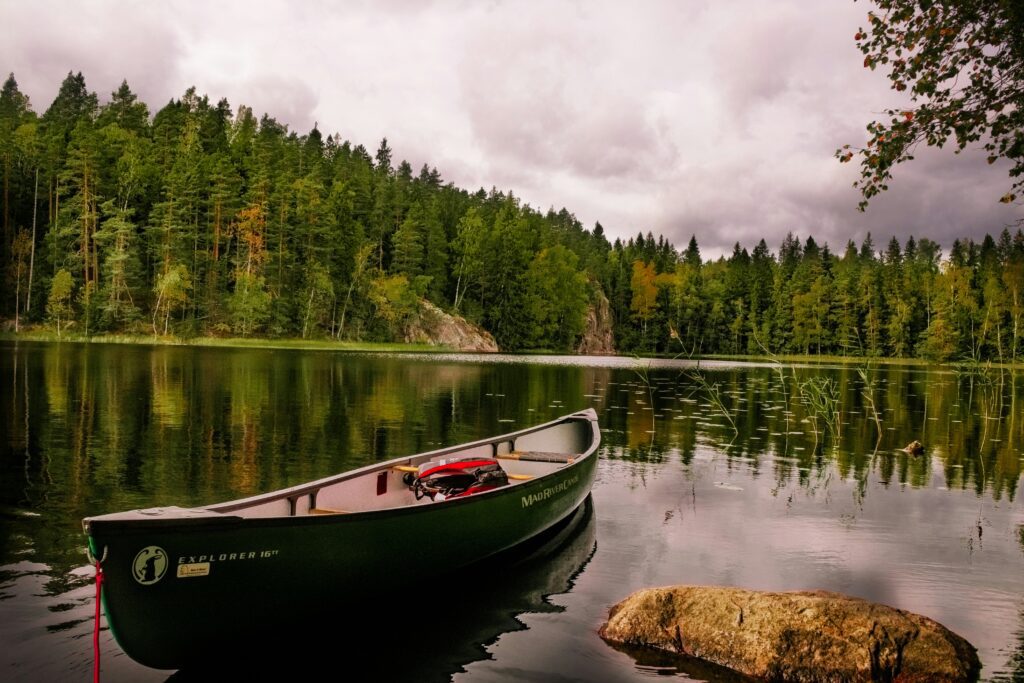
Smooth Sailing: Painting an Aluminum Canoe
Introduction
Embarking on the endeavor of painting an aluminum canoe can be an exhilarating yet daunting task. Aluminum’s inherent resistance to paint adhesion presents a unique challenge, demanding meticulous preparation and the utilization of specialized techniques. This comprehensive guide will navigate you through the intricate process of painting an aluminum canoe, ensuring a pristine and durable finish that will enhance its aesthetic appeal and extend its lifespan.
Materials and Preparation
Materials:
- Aluminum canoe
- Sandpaper (80-grit, 120-grit, 220-grit)
- Tack cloth
- Aluminum etching primer
- Marine-grade paint (epoxy or polyurethane)
- Paint brushes and/or rollers
- Safety gear (gloves, mask, eye protection)
Preparation:
- Cleaning: Thoroughly clean the canoe’s surface with soap and water, removing any dirt, grime, or debris. Allow it to dry completely.
- Sanding: Using 80-grit sandpaper, sand the entire surface of the canoe to remove any oxidation or imperfections. Gradually progress to finer grits (120-grit and 220-grit) to smooth the surface.
- Wiping: Wipe down the canoe with a tack cloth to remove any sanding dust.
Etching and Priming
- Etching: Apply an aluminum etching primer to the entire surface of the canoe. This will create a microscopic etch that enhances paint adhesion. Follow the manufacturer’s instructions carefully.
- Drying: Allow the etching primer to dry completely according to the manufacturer’s specifications.
Painting
- Choice of Paint: Select a high-quality marine-grade paint specifically designed for aluminum surfaces. Epoxy or polyurethane paints provide excellent durability and adhesion.
- Application: Apply the paint in thin, even coats using a brush or roller. Allow each coat to dry completely before applying the next.
- Multiple Coats: Apply multiple coats of paint to achieve the desired coverage and opacity. Typically, 2-3 coats are sufficient.
- Drying: Allow the final coat of paint to dry completely before using the canoe.
Tips for Success
- Use a clean and well-ventilated workspace.
- Wear appropriate safety gear throughout the process.
- Allow ample drying time between each step.
- Apply thin, even coats of paint to avoid runs or drips.
- Sand lightly between coats to ensure a smooth finish.
- Consider using a clear coat to protect the paint from UV damage and scratches.
Conclusion
Painting an aluminum canoe requires careful preparation, the use of specialized materials, and meticulous attention to detail. By following the steps outlined in this guide, you can achieve a professional-looking finish that will enhance the beauty and longevity of your canoe. Embark on this project with confidence, knowing that you possess the knowledge and skills to navigate the challenges and achieve a stunning result.
Post a Comment for "Smooth Sailing: Painting An Aluminum Canoe"