The Artistry of Jan May: Techniques and Styles
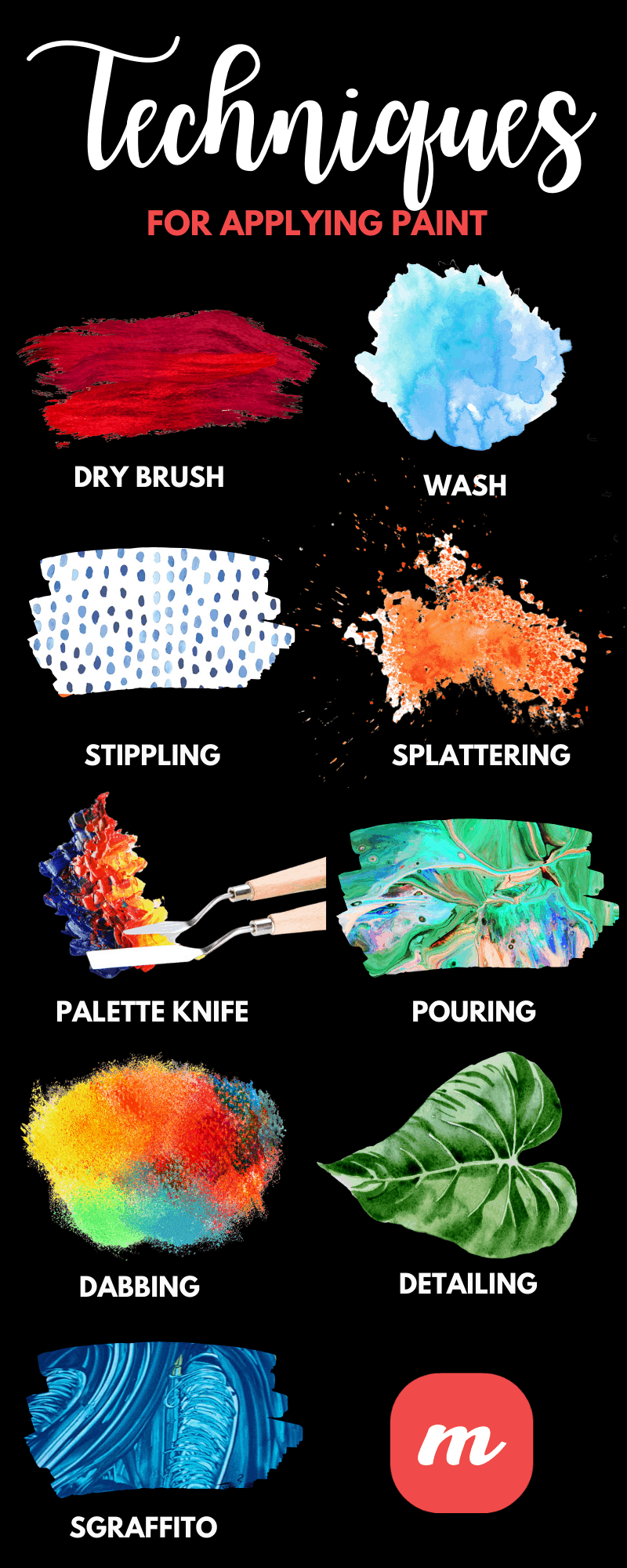
Table of Content
Jan May, a renowned contemporary painter, is celebrated for her distinctive style and captivating use of color and texture. Her works, ranging from vibrant landscapes to introspective portraits, are a testament to her mastery of various painting techniques and her exploration of diverse artistic styles. This article delves into the intricacies of Jan May’s artistry, analyzing her techniques, exploring her evolving styles, and highlighting the key elements that contribute to her unique artistic voice.
Jan May’s Signature Techniques
Jan May’s paintings are characterized by a vibrant, almost luminous quality, achieved through her meticulous layering of paint and her innovative use of mixed media. Her primary technique involves building up layers of acrylic paint, often incorporating textured elements like sand, plaster, or even fabric, to create a tactile and multi-dimensional surface. This layering process allows her to achieve a depth and complexity that is rarely seen in traditional acrylic paintings.
1. Impasto Technique:
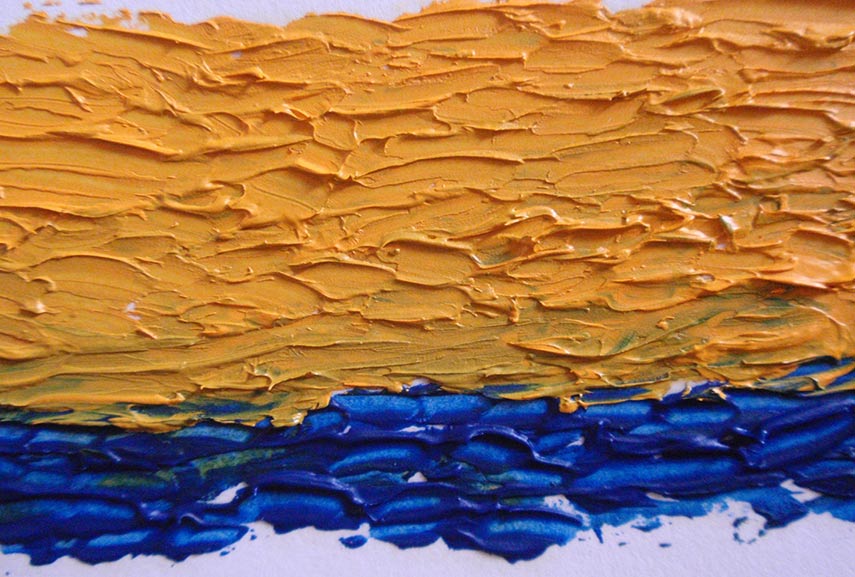
One of May’s most prominent techniques is impasto, a method of applying thick, textured paint to the canvas. By using a palette knife or a brush loaded with heavy paint, she creates raised areas on the surface, adding a three-dimensional quality to her paintings. This technique is particularly evident in her landscapes, where the impasto creates a sense of depth and texture, mimicking the natural roughness of the earth and the undulating forms of mountains and hills.
2. Mixed Media Exploration:
Jan May’s exploration of mixed media is another defining characteristic of her work. She often incorporates materials like sand, plaster, and fabric into her paintings, adding a unique textural dimension to her compositions. These materials, when combined with acrylic paint, create a rich interplay of textures and colors, further enhancing the depth and complexity of her works. The inclusion of these materials also adds a layer of symbolism and meaning to her paintings, often reflecting the natural world and the passage of time.
3. Color Layering and Blending:
May’s use of color is as captivating as her textural techniques. She employs a vibrant palette, often using bold, contrasting colors to create a dynamic and energetic visual experience. Her signature style involves layering colors, allowing them to bleed into each other and creating subtle gradients and transitions. This layering process adds depth and richness to her paintings, while also creating a sense of movement and energy.
4. The Use of Light and Shadow:

Jan May’s paintings are also notable for their masterful use of light and shadow. She utilizes light as a sculpting tool, highlighting certain areas of her compositions while casting shadows in others. This interplay of light and shadow adds a sense of depth and dimensionality to her works, creating a sense of realism and atmosphere.
Evolving Styles: A Journey Through Jan May’s Artistic Evolution
Jan May’s artistic journey has been marked by a continuous evolution of style, each phase reflecting her personal growth and artistic exploration.
1. Early Landscapes:
May’s early work focused primarily on landscapes, often depicting the rugged beauty of her native Scotland. These early paintings were characterized by a more traditional approach, employing a limited palette and a focus on capturing the essence of the natural world. Her landscapes often featured sweeping vistas, dramatic skies, and the quiet solitude of nature.

2. The Introduction of Texture and Mixed Media:
In the mid-1990s, May began experimenting with texture and mixed media, introducing sand, plaster, and fabric into her paintings. This shift marked a significant turning point in her artistic style, moving away from the traditional and embracing a more experimental and expressive approach. Her landscapes became more abstract, with the focus shifting from capturing a specific scene to exploring the interplay of colors, textures, and forms.
3. Portraiture and the Human Figure:
In the early 2000s, Jan May began exploring portraiture and the human figure. This new direction allowed her to delve deeper into the complexities of human emotion and experience. Her portraits are characterized by a sense of intimacy and introspection, capturing the subtle nuances of facial expressions and the unspoken stories behind each subject. She often uses a muted palette and a more restrained approach to texture in her portraits, allowing the subject’s emotions and inner world to take center stage.
4. Abstract Explorations:
In recent years, Jan May has continued to explore abstract forms, moving away from figurative representation and embracing the pure language of color, texture, and form. Her abstract works are characterized by a dynamic interplay of colors and textures, creating a visual symphony that invites the viewer to engage with the artwork on an intuitive and emotional level.
Key Elements of Jan May’s Artistic Voice
Jan May’s artistic voice is characterized by a unique blend of technical mastery, artistic exploration, and a profound connection to the natural world.
1. A Commitment to Experimentation:
May’s willingness to experiment with different techniques and materials is a testament to her artistic curiosity and her desire to push the boundaries of traditional painting. Her constant exploration has led to the development of her signature style, characterized by the unique blend of textures, colors, and forms.
2. A Deep Connection to Nature:
Nature is a constant source of inspiration for Jan May. Her landscapes, often inspired by the rugged beauty of Scotland, reflect her deep appreciation for the natural world. Her paintings are imbued with a sense of awe and wonder, capturing the subtle beauty and raw power of nature.
3. A Focus on Emotion and Experience:
Jan May’s paintings are not merely visual representations; they are expressions of emotion and experience. Whether depicting landscapes, portraits, or abstract forms, her works evoke a range of feelings and invite the viewer to engage with them on a personal level.
4. A Timeless Quality:
Despite the evolution of her style, Jan May’s work possesses a timeless quality. Her paintings are not bound by specific trends or movements; they transcend time and speak to the universal human experience of beauty, emotion, and connection to the natural world.
The Legacy of Jan May:
Jan May’s legacy as a painter is one of innovation, artistic exploration, and a profound connection to the natural world. Her unique style, characterized by the masterful use of texture, color, and mixed media, continues to inspire and captivate audiences worldwide. Her work is a testament to the power of artistic expression, showcasing the depth and complexity of human experience through the lens of color, form, and texture.
In conclusion, Jan May’s artistry is a testament to the transformative power of painting. Through her exploration of diverse techniques and styles, she has created a body of work that is both visually captivating and deeply moving. Her paintings invite us to engage with the world around us, to appreciate the beauty of nature, and to explore the depths of our own emotions.

The Artistry of Jan May: Techniques and Styles
Post a Comment for "The Artistry Of Jan May Painting: Techniques And Styles"