Caring for an Albino Painted Turtle: A Comprehensive Guide

Table of Content
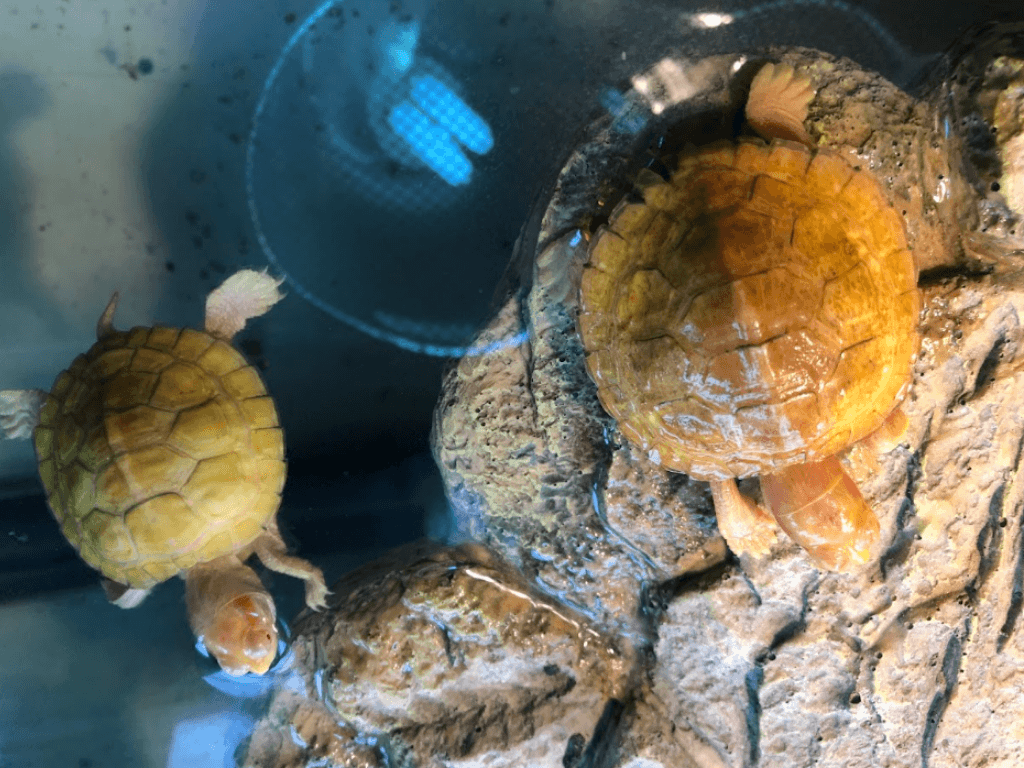
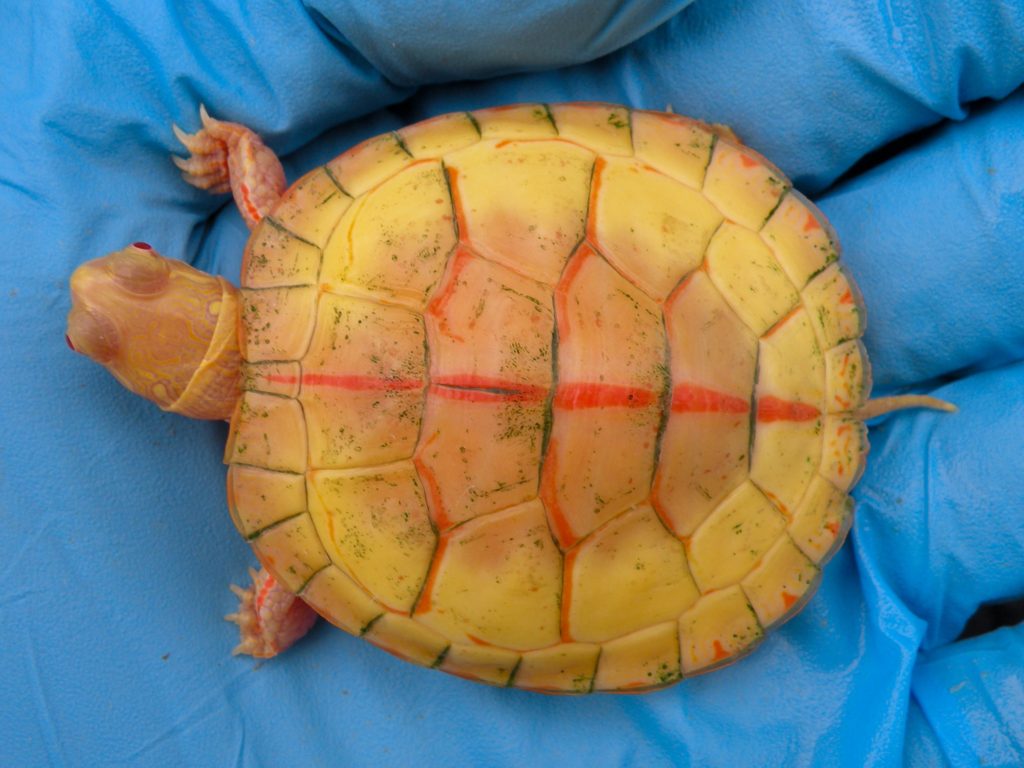
Albino painted turtles, with their striking white shells and pink eyes, are captivating creatures. While their unique appearance makes them highly sought after, caring for these special turtles requires a deep understanding of their specific needs. This comprehensive guide provides a detailed roadmap to ensure your albino painted turtle thrives in your care.
Housing Your Albino Painted Turtle
Aquarium Setup:
- Size: A minimum of a 10-gallon tank is recommended for a single juvenile albino painted turtle, but a larger tank (20 gallons or more) is ideal for optimal space and swimming room. As your turtle grows, you’ll need to upgrade to a larger tank.
- Substrate: A layer of gravel or sand provides a natural substrate for your turtle. Choose a size that’s large enough to prevent ingestion.
- Water: Keep the water level at least 6 inches deep, allowing your turtle to swim and bask comfortably. Use dechlorinated water and change it regularly to maintain water quality.
- Basking Area: Provide a basking platform that extends above the waterline. This area should be heated with a basking lamp to create a temperature gradient, allowing your turtle to regulate its body temperature.
- Filter: A powerful filter is essential for maintaining clean water. Choose a filter that can adequately handle the volume of water in your tank.
- Decorations: Add natural elements like rocks, driftwood, and aquatic plants to create a stimulating environment. However, ensure these are secure and won’t pose a hazard to your turtle.
Temperature and Humidity:
- Water Temperature: Maintain a water temperature between 75-80°F (24-27°C) using a submersible heater.
- Basking Area Temperature: The basking area should be around 90-95°F (32-35°C) to allow your turtle to thermoregulate properly.
- Humidity: Maintain a humidity level of 50-60% by misting the tank regularly or using a humidifier.
Diet and Feeding
Albino painted turtles are omnivores, requiring a balanced diet of both plant and animal matter.
Food Options:

- Commercial Turtle Pellets: High-quality turtle pellets should form the base of your turtle’s diet. Choose a pellet specifically formulated for aquatic turtles.
- Live Foods: Offer a variety of live foods, including:
- Worms: Earthworms, nightcrawlers, and redworms are excellent protein sources.
- Insects: Crickets, mealworms, and waxworms provide essential nutrients.
- Fish: Small feeder fish, like guppies or goldfish, are a good occasional treat.
- Plant Matter: Include a variety of leafy greens in your turtle’s diet:
- Water Hyacinth: A popular and readily available option.
- Duckweed: Provides essential nutrients and can be grown easily.
- Watercress: A nutritious and palatable green.
- Collard Greens: A good source of vitamins and minerals.
- Dandelion Greens: A natural and readily available option.
Feeding Schedule:
- Juveniles: Feed juveniles daily.
- Adults: Feed adults 2-3 times per week.
- Portion Size: Offer a portion of food that your turtle can consume in 15-20 minutes.
Supplementation:
- Calcium: Dust your turtle’s food with calcium powder 2-3 times per week to ensure proper bone development.
- Vitamin D3: Provide a vitamin D3 supplement 1-2 times per week, especially during winter months when natural sunlight is limited.
Health and Care
Water Quality:
- Regular Water Changes: Change 25-50% of the water weekly to maintain optimal water quality.
- Water Testing: Regularly test water parameters for ammonia, nitrite, nitrate, and pH levels.
- Filter Maintenance: Clean the filter regularly according to the manufacturer’s instructions.
Hygiene:
- Clean Tank: Clean the tank thoroughly every few months to remove algae and debris.
- Basking Area: Clean the basking area regularly to prevent the buildup of bacteria and mold.
Veterinary Care:
- Regular Checkups: Schedule annual checkups with a veterinarian experienced in reptile care.
- Signs of Illness: Observe your turtle for any signs of illness, such as lethargy, loss of appetite, swollen eyes, or respiratory distress. Seek veterinary attention immediately if you notice any abnormalities.
Handling:
- Gentle Touch: Handle your turtle gently and avoid squeezing or dropping it.
- Clean Hands: Wash your hands thoroughly before and after handling your turtle to prevent the spread of bacteria.
- Avoid Overhandling: Allow your turtle to acclimate to its environment and avoid excessive handling, as it can stress the animal.
Breeding Albino Painted Turtles
Breeding albino painted turtles can be challenging and requires specific conditions.
Breeding Season:
- Spring and Summer: Painted turtles typically breed during the spring and summer months.
- Temperature and Humidity: Maintain appropriate water and basking area temperatures and humidity levels to encourage breeding.
Nesting:
- Suitable Substrate: Provide a nesting area with a suitable substrate, such as moist sand or peat moss.
- Nest Box: A shallow container can be used as a nest box.
Eggs:
- Incubation: Incubate the eggs at a temperature of 80-85°F (27-29°C) for approximately 60-80 days.
- Hatchlings: Hatchlings will emerge from the eggs and require a similar care regimen to adult turtles.
Common Health Issues
Albino painted turtles are prone to certain health issues, including:
- Shell Rot: A bacterial infection that affects the shell.
- Respiratory Infections: Can be caused by poor water quality or low temperatures.
- Eye Infections: Can be caused by bacteria or parasites.
- Parasites: Internal and external parasites can affect the health of your turtle.
Prevention and Treatment:
- Maintain Optimal Conditions: Ensure proper water quality, temperature, and humidity to prevent health issues.
- Veterinary Care: Seek veterinary attention immediately if you notice any signs of illness.
Albino Painted Turtle Care: A Summary
Caring for an albino painted turtle is a rewarding experience, but it requires dedication and knowledge.
Key Takeaways:
- Proper Housing: Provide a spacious tank with clean water, a basking area, and a stimulating environment.
- Balanced Diet: Offer a variety of commercial pellets, live foods, and plant matter.
- Regular Maintenance: Perform regular water changes, clean the tank, and maintain the filter.
- Veterinary Care: Schedule annual checkups and seek veterinary attention if you notice any signs of illness.
By following these guidelines, you can provide your albino painted turtle with a healthy and happy life.

Caring for an Albino Painted Turtle: A Comprehensive Guide
Post a Comment for "Caring For An Albino Painted Turtle: Tips And Advice"