Unleash Your Creativity: A Beginner’s Guide to Custom RC Body Painting
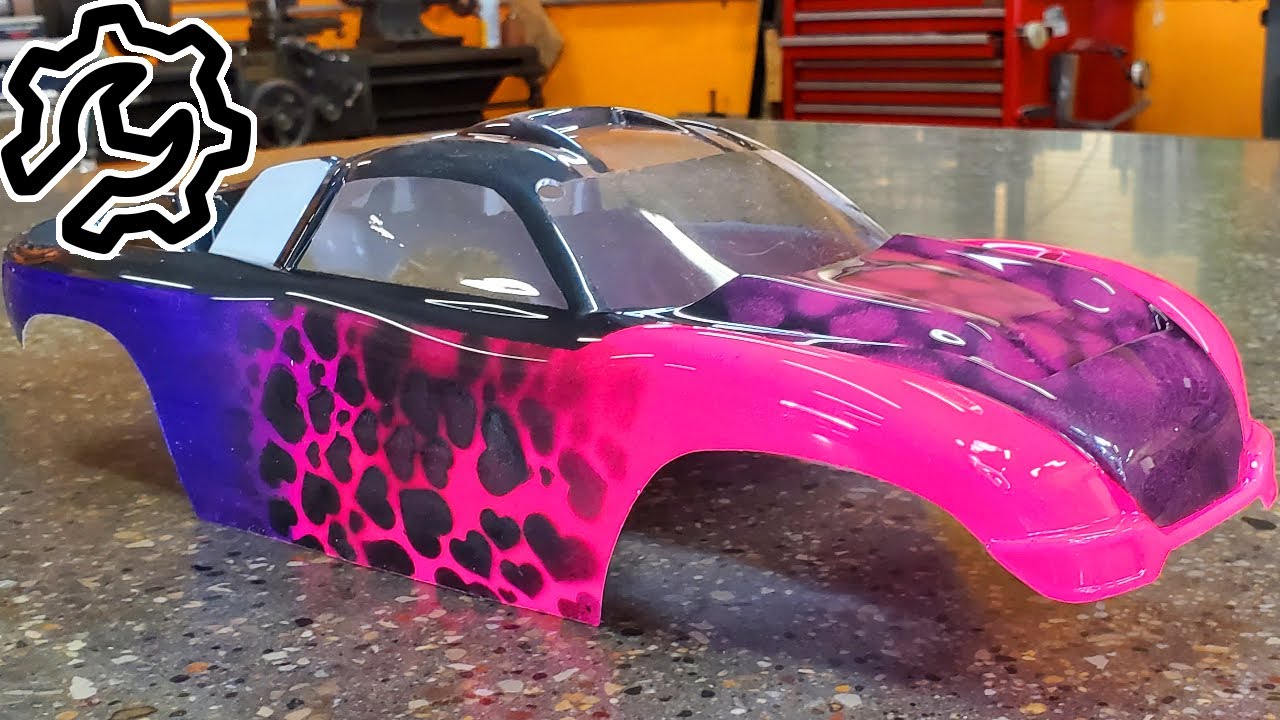
The world of RC cars is filled with endless possibilities for customization, and one of the most visually stunning ways to personalize your ride is through custom body painting. This art form allows you to transform a plain shell into a unique masterpiece, reflecting your individual style and passion. But where do you begin? This comprehensive guide will equip you with the essential knowledge and techniques to embark on your custom RC body painting journey.
Choosing the Right Body
The foundation of any successful custom paint job is a high-quality body shell. Consider these factors:
- Material: Polycarbonate (Lexan) is the most popular choice for RC bodies due to its durability and flexibility. ABS plastic is another option, but it’s generally less impact-resistant.
- Size and Shape: Select a body that fits your RC car and complements its intended use. A sleek, aerodynamic body is ideal for racing, while a more robust design might be better suited for off-road adventures.
- Detailing: Look for bodies with pre-molded details, such as spoilers, wings, and bumpers, as they can save you time and effort during the painting process.
Gathering Your Supplies
Before you start painting, ensure you have all the necessary tools and materials:

- Paint: A wide range of paints are available for RC body painting, each with its own unique properties. Acrylic paints are a popular choice due to their versatility, quick drying time, and water-based formula. Consider using specialized RC paints for optimal adhesion and durability.
- Primer: Applying a primer before painting creates a smooth, even surface for the paint to adhere to. Primers also help to prevent the paint from chipping or peeling.
- Clear Coat: A clear coat protects your paint job from scratches, UV rays, and other damage. It also adds a glossy finish to your body.
- Masking Tape: Masking tape is essential for creating sharp lines and defining different areas of your design. Use high-quality tape that won’t leave behind residue.
- Sandpaper: Sandpaper is used to smooth out imperfections in the body shell and prepare it for painting. Use fine-grit sandpaper for final sanding.
- Brushes: A variety of brushes are available for painting RC bodies, from small detail brushes to wider brushes for covering larger areas. Choose brushes with synthetic bristles for optimal paint flow and durability.
- Airbrush: For intricate designs and smooth, even coverage, an airbrush is an invaluable tool. It allows you to apply paint with precision and control.
- Air Compressor: An air compressor is required to power an airbrush. Choose a compressor with a suitable CFM (cubic feet per minute) rating for your airbrush.
- Paint Thinners: Thinners are used to adjust the viscosity of your paint, making it easier to apply. Always use a thinner specifically designed for your type of paint.
- Gloves: Wear gloves to protect your hands from paint and thinners.
- Work Area: Set up a well-ventilated workspace with a drop cloth to protect your surroundings from paint spills.


Preparing the Body
Before you start painting, it’s crucial to properly prepare the body shell:
- Cleaning: Clean the body thoroughly with soap and water to remove any dirt, grease, or debris.
- Sanding: Sand the body with fine-grit sandpaper to smooth out any imperfections and create a smooth surface for the primer.
- Masking: If you’re planning to use masking tape, apply it carefully to create clean lines and define different areas of your design.
- Priming: Apply a coat of primer to the entire body. Allow the primer to dry completely before proceeding.
Painting Techniques
With your body prepared, you’re ready to unleash your creativity:
- Brush Painting: This is a simple and versatile method for beginners. Use thin coats of paint and allow each coat to dry completely before applying the next. For smoother results, use a brush with a soft, even tip.
- Airbrushing: Airbrushing offers exceptional precision and control. Use thin paint mixtures and practice on a scrap piece of polycarbonate before applying paint to your body. Start with light coats and build up the color gradually.
- Stenciling: Stencils can be used to create intricate designs with sharp lines. Secure the stencil to the body with masking tape and apply paint carefully using a brush or airbrush.
Tips for Success
- Practice: Practice your painting techniques on scrap pieces of polycarbonate before applying paint to your body. This will help you become familiar with the materials and techniques.
- Thinning: Always thin your paint according to the manufacturer’s instructions. Too much thinner will make the paint too thin and runny, while too little thinner will make it difficult to apply.
- Layering: Apply paint in thin, even coats. Allow each coat to dry completely before applying the next. Multiple thin coats will provide a smoother, more durable finish than one thick coat.
- Patience: Custom body painting takes time and patience. Don’t rush the process, and allow each step to dry completely before proceeding to the next.
- Experiment: Don’t be afraid to experiment with different colors, techniques, and designs. The beauty of custom body painting is that there are no limits to your creativity.
Finishing Touches
Once your paint job is complete, it’s time to add the finishing touches:
- Clear Coat: Apply a clear coat to protect your paint job and add a glossy finish. Use multiple thin coats for optimal durability.
- Decals: Decals can add a personalized touch to your body. Choose decals that complement your design and apply them carefully.
- Detailing: Use small brushes or a fine-tipped airbrush to add details such as headlights, taillights, and other accents.
Maintaining Your Custom Paint Job
To keep your custom paint job looking its best, follow these tips:
- Clean Regularly: Clean your body with soap and water after each use to remove dirt and debris.
- Avoid Harsh Chemicals: Do not use harsh chemicals or solvents to clean your body, as they can damage the paint.
- Store Properly: Store your body in a dry, dust-free environment to prevent damage.
Examples of Custom RC Body Painting
- Race Car Designs: Bold colors, sponsorships, and race numbers are common features of custom race car bodies.
- Off-Road Designs: Mud splatters, camouflage patterns, and rugged designs are popular choices for off-road vehicles.
- Cartoon Characters: Bring your favorite cartoon characters to life on your RC body.
- Abstract Art: Express your artistic side with abstract designs and patterns.
- Personalized Designs: Add your name, initials, or a special message to your body.
Conclusion
Custom RC body painting is a rewarding and creative hobby that allows you to personalize your RC car and showcase your unique style. With the right tools, techniques, and a little patience, you can transform a plain body shell into a stunning masterpiece. So unleash your creativity and get ready to paint your own custom RC body!
Beyond the Basics: Advanced Techniques
For those who want to take their custom body painting skills to the next level, here are some advanced techniques:
- Airbrushing Techniques: Mastering airbrushing techniques like layering, blending, and fading can create stunning effects. Explore techniques like dry brushing, wet-on-wet blending, and masking for more complex designs.
- Multi-Layered Designs: Create depth and dimension by using multiple layers of paint. Experiment with different colors, textures, and effects to achieve unique results.
- Custom Decal Creation: Design and create your own custom decals using a vinyl cutter or a specialized decal printing service. This allows for endless possibilities for personalization.
- Realistic Painting: Learn the art of realistic painting to create hyper-realistic designs on your RC body. Practice techniques like shading, highlighting, and weathering to create lifelike effects.
- Custom Molding: For the ultimate customization, learn the art of custom molding. This allows you to create unique body shapes and designs from scratch.
Resources for Learning More
- Online Tutorials: Numerous online tutorials and videos are available that cover various custom body painting techniques. Search platforms like YouTube and Pinterest for inspiration and guidance.
- RC Forums: Join online forums dedicated to RC cars and custom painting. Connect with experienced painters and learn from their expertise.
- RC Clubs: Attend local RC clubs and events to meet other enthusiasts and learn firsthand from experienced painters.
Custom RC Body Painting: A Creative Outlet for All
Custom RC body painting is a fulfilling and rewarding hobby that combines artistic expression with technical skill. Whether you’re a beginner or an experienced painter, there’s always something new to learn and explore. So grab your paintbrushes, unleash your creativity, and transform your RC car into a unique and personalized work of art.

Unleash Your Creativity: A Beginner’s Guide to Custom RC Body Painting
Post a Comment for "Custom RC Body Painting: Tips For Beginners"