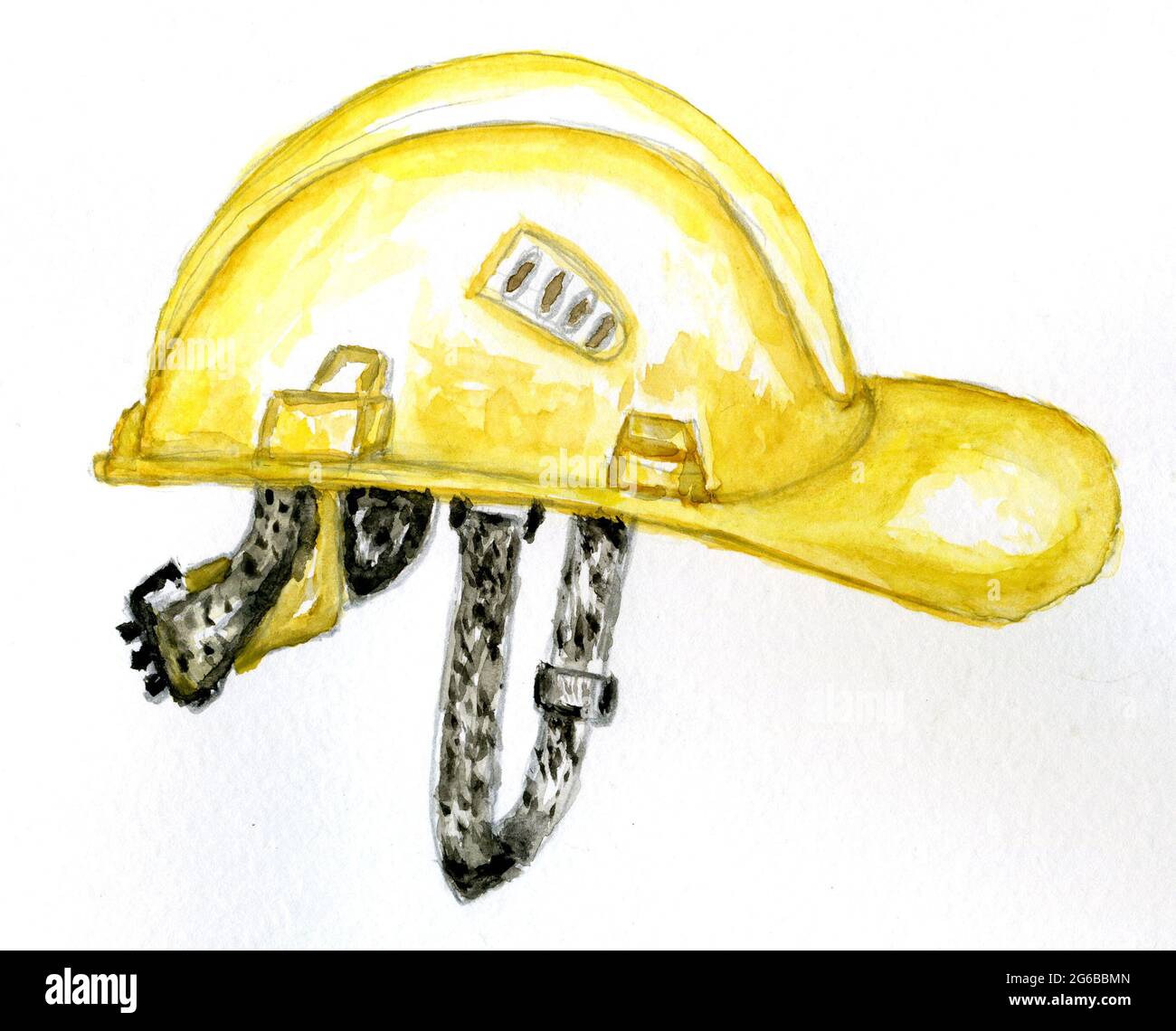
Protective Art: Painting Hard Hats
Introduction
Hard hats, an essential piece of personal protective equipment (PPE) in various industries, serve as a crucial defense against head injuries. However, their often drab and utilitarian appearance can detract from their protective function. Protective art, particularly painting hard hats, has emerged as an innovative way to enhance the visibility, safety, and morale of workers while maintaining the hat’s primary purpose.
Benefits of Painting Hard Hats
- Increased Visibility: Brightly colored or reflective painted hard hats make workers more conspicuous, especially in low-light conditions or hazardous environments. This enhanced visibility helps prevent collisions and accidents.
- Improved Safety: Custom-painted hard hats can incorporate safety messages, warnings, or company logos, reminding workers of potential hazards and promoting safe practices.
- Boosted Morale: Personalized hard hats with unique designs or artwork can foster a sense of pride and ownership among workers, leading to improved morale and job satisfaction.
- Enhanced Brand Recognition: Companies can use painted hard hats as a branding tool, displaying their logo or company colors to promote visibility and recognition.
Types of Protective Art Techniques
- Hand-Painting: Skilled artists use brushes and paints to create intricate designs, logos, or safety messages directly onto the hard hat.
- Airbrushing: This technique involves using an airbrush to spray paint onto the hard hat, allowing for precise and detailed artwork.
- Stenciling: Pre-cut stencils are used to apply paint to the hard hat, creating sharp and consistent designs.
- Decals and Stickers: Self-adhesive decals or stickers can be applied to the hard hat, providing a quick and easy way to add graphics or messages.
Materials and Equipment
- Hard Hat: Choose a high-quality hard hat that meets industry safety standards.
- Paints: Use paints specifically designed for hard hats, ensuring durability and resistance to fading and wear.
- Brushes: Select brushes suitable for the desired painting technique and paint type.
- Airbrush: An airbrush with a fine nozzle is ideal for detailed artwork.
- Stencils: Create custom stencils or purchase pre-made ones to achieve precise designs.
- Decals and Stickers: Select decals or stickers that adhere well to the hard hat’s surface.
Safety Considerations
- Avoid Obstructing Visibility: Ensure that the painted design does not impair the worker’s field of vision or hearing.
- Use Non-Toxic Paints: Choose paints that are non-toxic and do not release harmful fumes.
- Maintain Hat’s Integrity: Do not paint over the hard hat’s suspension system or any other safety features.
- Inspect Regularly: Regularly inspect painted hard hats for any damage or wear that may compromise their protective function.
Conclusion
Protective art on hard hats offers a unique and effective way to enhance safety, visibility, and morale in various industries. By incorporating custom designs, safety messages, and company branding, painted hard hats transform a necessary piece of PPE into a valuable tool for promoting safety, fostering a sense of community, and strengthening brand recognition.
Post a Comment for "Protective Art: Painting Hard Hats"