Graphite Metallic Paint: Achieving the Perfect Finish

Table of Content
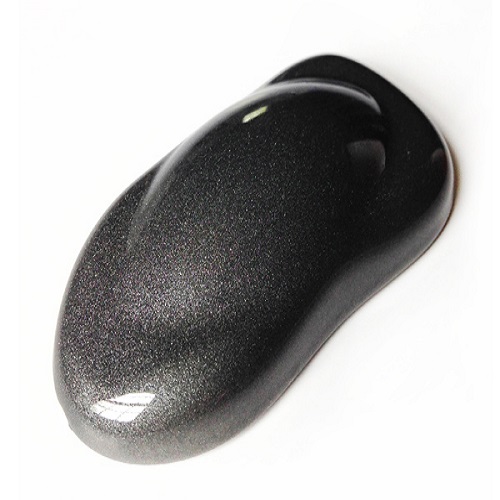
Graphite metallic paint, with its sleek, sophisticated, and modern appeal, has become a popular choice for automotive enthusiasts and car manufacturers alike. Its unique ability to shift color depending on the light, creating a mesmerizing depth and dimension, has captivated the automotive world. However, achieving the perfect graphite metallic finish requires meticulous preparation, careful application, and a keen eye for detail. This comprehensive guide will delve into the intricacies of graphite metallic paint, equipping you with the knowledge and expertise to achieve a stunning and durable finish.
Understanding Graphite Metallic Paint
Graphite metallic paint is a complex blend of pigments, resins, and metallic flakes. The metallic flakes, typically aluminum, are responsible for the paint’s characteristic shimmer and color-shifting properties. These flakes are suspended in a binder, which holds them in place and provides the paint’s durability. The specific blend of pigments and the size and shape of the metallic flakes determine the paint’s final color and appearance.
The Appeal of Graphite Metallic Paint
Graphite metallic paint offers several advantages that make it a desirable choice for various applications:
- Sophisticated Elegance: Its understated yet captivating color evokes a sense of luxury and refinement, making it ideal for high-end vehicles and custom projects.
- Versatility: Graphite metallic paint can be customized to achieve different shades and finishes, from subtle to bold, allowing for a wide range of creative possibilities.
- Depth and Dimension: The metallic flakes create a mesmerizing play of light and shadow, adding depth and dimension to the painted surface.
- Durability: When properly applied, graphite metallic paint offers excellent resistance to scratches, fading, and weathering, ensuring a long-lasting and beautiful finish.

Preparing for Graphite Metallic Paint Application
Achieving a flawless graphite metallic finish starts with meticulous preparation. This involves a series of steps designed to ensure a smooth, clean, and even surface for paint adhesion.
1. Surface Cleaning:
- Thorough Cleaning: Begin by removing any dirt, grime, grease, or contaminants from the surface using a degreaser and a microfiber cloth.
- Removing Existing Paint: If applying graphite metallic paint over existing paint, ensure that the old paint is properly sanded and prepared to promote adhesion.
- Masking: Protect surrounding areas with masking tape and paper to prevent accidental paint overspray.
2. Surface Preparation:
- Sanding: Sand the surface with progressively finer grit sandpaper (e.g., 400, 600, 800) to remove any imperfections and create a smooth, uniform base.
- Primer Application: Apply a primer compatible with graphite metallic paint. The primer helps to promote adhesion, improve paint flow, and provide a uniform base for the metallic paint.
- Drying Time: Allow the primer to dry completely before proceeding to the next step.
Applying Graphite Metallic Paint
The application of graphite metallic paint is a delicate process that requires precision and patience. Here’s a step-by-step guide to ensure a professional-looking finish:
1. Paint Mixing and Thinning:
- Mixing: Carefully mix the graphite metallic paint according to the manufacturer’s instructions.
- Thinning: Thin the paint with the appropriate thinner to achieve the desired viscosity. This ensures smooth application and prevents runs or sags.
2. Application Techniques:
- Spray Gun: For large surfaces, a spray gun is the preferred method. Use a high-quality spray gun with a fine atomization pattern to achieve an even coat.
- Brush or Roller: For smaller areas or intricate details, a brush or roller can be used. Choose a high-quality brush or roller designed for automotive paint.
3. Application Process:
- Thin, Even Coats: Apply thin, even coats of paint, overlapping each coat slightly. Avoid heavy coats, which can lead to runs or sags.
- Drying Time: Allow each coat to dry completely before applying the next. Refer to the manufacturer’s instructions for recommended drying times.
- Multiple Coats: Apply multiple coats of paint to achieve the desired depth and coverage. The number of coats required will depend on the specific paint and the desired finish.
4. Final Touches:
- Sanding and Polishing: After the final coat of paint has dried, lightly sand the surface with fine-grit sandpaper (e.g., 1000, 1200) to smooth out any imperfections.
- Polishing: Polish the surface with a high-quality automotive polish to enhance the gloss and shine of the graphite metallic finish.
Tips for Achieving a Perfect Graphite Metallic Finish:
- Consistent Spray Pressure: Maintain a consistent spray pressure throughout the application process to ensure an even coat of paint.
- Proper Spray Gun Distance: Hold the spray gun at the recommended distance from the surface to avoid overspray or paint build-up.
- Smooth, Even Strokes: Use smooth, even strokes when applying the paint to prevent streaks or uneven coverage.
- Avoid Over-Application: Apply thin coats and avoid applying too much paint at once, which can lead to runs or sags.
- Proper Drying Conditions: Ensure adequate ventilation and a dust-free environment during the drying process.
Troubleshooting Common Graphite Metallic Paint Problems:
- Runs or Sags: If the paint runs or sags, it’s likely due to applying too much paint at once or improper thinning. Thin the paint to the correct viscosity and apply thin, even coats.
- Uneven Coverage: Uneven coverage can occur due to inconsistent spray pressure or improper application technique. Maintain a consistent spray pressure and use smooth, even strokes.
- Fish Eyes: Fish eyes are small craters or depressions in the paint surface. They can be caused by contaminants on the surface or improper paint preparation. Thoroughly clean the surface and ensure it’s properly prepared before applying the paint.
- Orange Peel: Orange peel is a textured surface that resembles the skin of an orange. It can be caused by applying the paint too thickly or using a spray gun with an incorrect atomization pattern. Apply thin coats and use a high-quality spray gun with a fine atomization pattern.
- Dust Nibs: Dust nibs are small particles of dust or debris that become embedded in the wet paint. To avoid dust nibs, ensure a dust-free environment during the drying process.
Maintaining a Graphite Metallic Finish:
- Regular Cleaning: Regularly wash the painted surface with a mild car wash soap and water to remove dirt and grime.
- Waxing: Apply a high-quality car wax every few months to protect the paint from UV rays, environmental contaminants, and weathering.
- Avoid Harsh Chemicals: Avoid using harsh chemicals or abrasive cleaners that can damage the paint.
Conclusion:
Achieving a perfect graphite metallic finish requires a combination of meticulous preparation, careful application, and a keen eye for detail. By following the steps outlined in this guide, you can transform your vehicle or project with the captivating beauty and sophistication of graphite metallic paint. Remember, patience and precision are key to achieving a stunning and durable finish that will turn heads and stand the test of time.
Graphite Metallic Paint: Achieving the Perfect Finish
Post a Comment for "Graphite Metallic Paint: Achieving The Perfect Finish"