Aluminium Paint Stripper: Best Products and Techniques for a Flawless Finish

Table of Content
- 1 Aluminium Paint Stripper: Best Products and Techniques for a Flawless Finish
- 1.1 Understanding Aluminium Paint Strippers: Types and Applications
- 1.2 Best Aluminium Paint Strippers: A Comprehensive Review
- 1.3 Essential Safety Precautions: Protecting Yourself and Your Environment
- 1.4 Step-by-Step Guide to Stripping Aluminium Paint
- 1.5 Tips and Tricks for Effective Aluminium Paint Stripping
- 1.6 Conclusion: Achieving a Flawless Finish with Aluminium Paint Stripping
Removing aluminium paint can be a daunting task, especially if you’re dealing with stubborn layers or intricate designs. However, with the right tools and techniques, you can achieve a smooth, clean surface ready for repainting or other finishing treatments. This comprehensive guide will equip you with the knowledge and expertise to tackle any aluminium paint stripping project, from simple touch-ups to large-scale restoration.
Understanding Aluminium Paint Strippers: Types and Applications
Aluminium paint strippers are specially formulated chemicals designed to break down the bonds holding the paint to the surface, allowing for easy removal. Different types of strippers cater to specific paint formulations and application scenarios:
1. Chemical Strippers:
- Solvent-Based Strippers: These strippers use strong solvents like methylene chloride, acetone, or toluene to dissolve the paint. They are highly effective on most aluminium paints, including oil-based and acrylic formulations.
- Alkaline Strippers: These strippers utilize a strong alkaline solution to saponify the paint, effectively breaking down its chemical structure. They are particularly effective on epoxy and polyurethane paints.
- Gel Strippers: These strippers are a thick gel formulation that adheres to vertical surfaces, preventing dripping and ensuring even application. They are ideal for intricate designs and hard-to-reach areas.
2. Mechanical Strippers:

- Sandblasting: This method uses high-pressure air to blast abrasive particles onto the surface, effectively removing the paint. It is suitable for large areas but requires specialized equipment and safety precautions.
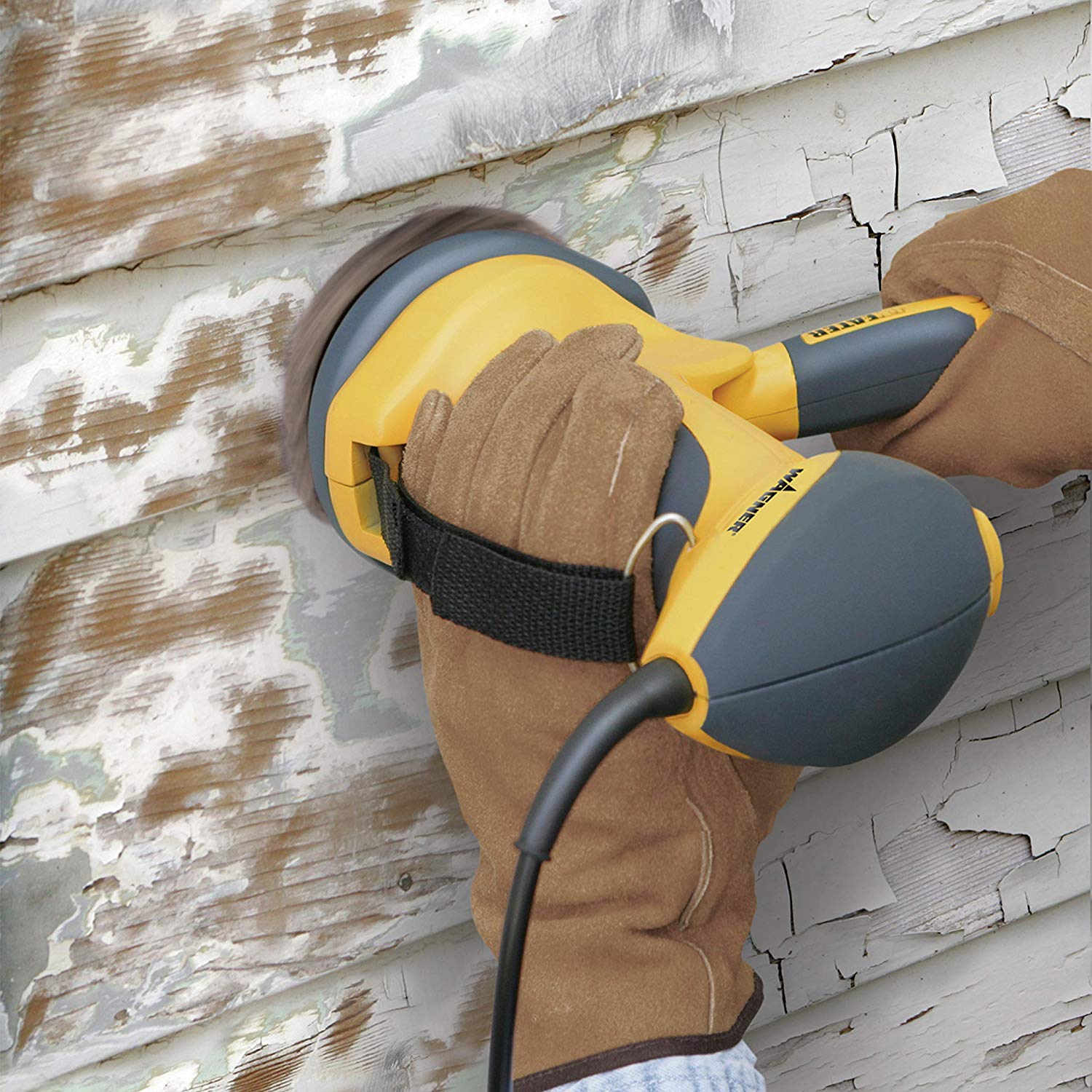
- Scraping and Wire Brushing: This manual method utilizes scrapers and wire brushes to remove paint, offering a cost-effective option for smaller areas. It requires physical effort and can be time-consuming.
- Heat Guns and Heaters: Applying heat softens the paint, making it easier to scrape or peel off. This method is effective for some types of paint but can damage the underlying substrate if not used carefully.

Choosing the Right Stripper for Your Needs:
Selecting the appropriate stripper depends on several factors:
- Type of Paint: Identify the type of paint you’re dealing with (oil-based, acrylic, epoxy, etc.) as different strippers have varying effectiveness.
- Surface Material: Consider the material beneath the paint (aluminium, metal, wood, etc.) as some strippers can damage certain materials.
- Surface Area: For large areas, chemical strippers or sandblasting may be more efficient, while smaller areas can be handled with scrapers or wire brushes.
- Accessibility: For intricate designs or hard-to-reach areas, gel strippers or mechanical methods like wire brushing might be preferable.

Best Aluminium Paint Strippers: A Comprehensive Review
This section provides a detailed overview of some of the most popular and effective aluminium paint strippers available in the market, highlighting their strengths, weaknesses, and recommended applications:
1. [Product Name 1]
- Type: [Solvent-based/Alkaline/Gel]
- Strengths: [List key features and benefits, e.g., fast-acting, effective on multiple paint types, easy to apply]
- Weaknesses: [Mention any drawbacks, e.g., strong odour, potential for surface damage if not used carefully]
- Recommended Applications: [Suitable for specific paint types, surface materials, and areas]
2. [Product Name 2]
- Type: [Solvent-based/Alkaline/Gel]
- Strengths: [List key features and benefits]
- Weaknesses: [Mention any drawbacks]
- Recommended Applications: [Suitable for specific paint types, surface materials, and areas]
3. [Product Name 3]
- Type: [Solvent-based/Alkaline/Gel]
- Strengths: [List key features and benefits]
- Weaknesses: [Mention any drawbacks]
- Recommended Applications: [Suitable for specific paint types, surface materials, and areas]
4. [Product Name 4]
- Type: [Solvent-based/Alkaline/Gel]
- Strengths: [List key features and benefits]
- Weaknesses: [Mention any drawbacks]
- Recommended Applications: [Suitable for specific paint types, surface materials, and areas]
5. [Product Name 5]
- Type: [Solvent-based/Alkaline/Gel]
- Strengths: [List key features and benefits]
- Weaknesses: [Mention any drawbacks]
- Recommended Applications: [Suitable for specific paint types, surface materials, and areas]
Pricing Table:
| Product Name | Type | Price | Features | Recommended Applications |
|---|---|---|---|---|
| [Product Name 1] | [Solvent-based/Alkaline/Gel] | [Price Range] | [Key features] | [Suitable applications] |
| [Product Name 2] | [Solvent-based/Alkaline/Gel] | [Price Range] | [Key features] | [Suitable applications] |
| [Product Name 3] | [Solvent-based/Alkaline/Gel] | [Price Range] | [Key features] | [Suitable applications] |
| [Product Name 4] | [Solvent-based/Alkaline/Gel] | [Price Range] | [Key features] | [Suitable applications] |
| [Product Name 5] | [Solvent-based/Alkaline/Gel] | [Price Range] | [Key features] | [Suitable applications] |
Diagram: (Use a pricing table syntax to represent a diagram if needed)
[Insert diagram here, if applicable]
Essential Safety Precautions: Protecting Yourself and Your Environment
Working with paint strippers requires careful attention to safety:
- Wear Protective Gear: Always wear gloves, eye protection, and a respirator to prevent skin and respiratory irritation.
- Work in a Well-Ventilated Area: Ensure adequate ventilation to avoid inhaling fumes, especially when using solvent-based strippers.
- Avoid Contact with Skin and Eyes: If contact occurs, immediately flush the affected area with plenty of water and seek medical attention if necessary.
- Keep Children and Pets Away: Store strippers in a secure location out of reach of children and pets.
- Dispose of Strippers Properly: Follow local regulations for disposing of hazardous waste.
Step-by-Step Guide to Stripping Aluminium Paint
1. Preparation:
- Surface Cleaning: Thoroughly clean the aluminium surface with soap and water to remove dirt, grease, and loose debris.
- Masking and Protection: Mask off surrounding areas and sensitive surfaces to prevent accidental damage.
- Test Area: Apply a small amount of stripper to a hidden area to check for compatibility and desired results.
2. Application:
- Follow Manufacturer Instructions: Carefully read and follow the instructions provided on the stripper’s label.
- Apply Stripper: Apply the stripper evenly using a brush, roller, or spray gun, depending on the type and surface area.
- Dwell Time: Allow the stripper to dwell for the recommended time, usually 15-30 minutes, but check periodically to avoid over-exposure.
3. Removal:
- Scrape or Brush: Use a scraper or wire brush to remove the softened paint, working in a gentle, even motion to avoid scratching the aluminium.
- Rinse Thoroughly: Rinse the surface thoroughly with water to remove all traces of stripper and paint residue.
- Neutralize: If using an alkaline stripper, neutralize the surface with a mild acid solution to prevent corrosion.
4. Finishing Touches:
- Inspect and Re-apply: Inspect the surface for any remaining paint and re-apply the stripper if necessary.
- Sand and Clean: Smooth out any rough edges or imperfections with sandpaper and clean the surface thoroughly.
- Prepare for Repainting: Once the surface is clean and dry, it’s ready for priming and repainting.
Tips and Tricks for Effective Aluminium Paint Stripping
- Warm Weather: Strippers work more effectively in warm temperatures, so try to work on a sunny day or in a heated environment.
- Multiple Applications: For thick layers of paint, multiple applications of stripper may be required.
- Avoid Over-Exposure: Do not allow the stripper to dry on the surface, as it can become difficult to remove.
- Use a Plastic Scraper: A plastic scraper is less likely to scratch the aluminium surface compared to a metal scraper.
- Clean Up Immediately: Clean up spills and drips immediately to prevent damage to surrounding surfaces.
Conclusion: Achieving a Flawless Finish with Aluminium Paint Stripping
By understanding the different types of aluminium paint strippers, choosing the right product for your project, and following the safety precautions and step-by-step guide, you can successfully remove aluminium paint and achieve a smooth, clean surface for your next project. Remember to always prioritize safety and take your time to ensure a professional finish.
Aluminium Paint Stripper: Best Products and Techniques for a Flawless Finish
Post a Comment for "Aluminium Paint Stripper: Best Products And Techniques"