Painting Over Plasti Dip: A Comprehensive Guide

Table of Content
- 1 Painting Over Plasti Dip: A Comprehensive Guide
- 1.1 Understanding the Challenges
- 1.2 Preparing for Success: The Foundation for a Durable Finish
- 1.3 Choosing the Right Paint: A Critical Decision
- 1.4 Painting Over Plasti Dip: The Final Touches
- 1.5 Tips for Success: Maximizing Your Results
- 1.6 Troubleshooting: Addressing Common Challenges
- 1.7 Beyond Painting: Exploring Other Finishing Options
- 1.8 Conclusion: Transforming Plasti Dip with Confidence
Plasti Dip is a versatile coating known for its rubbery texture, protective qualities, and ease of application. But what happens when you want to change the look or add a fresh layer of paint? Can you paint over Plasti Dip, and if so, how? This comprehensive guide will answer all your questions and provide a step-by-step process for achieving a flawless finish.
Understanding the Challenges
Painting over Plasti Dip isn’t as straightforward as painting on bare surfaces. The rubberized nature of Plasti Dip presents unique challenges:
- Adhesion: Plasti Dip has a smooth, non-porous surface, making it difficult for paint to adhere properly.
- Flexibility: Plasti Dip’s flexibility can cause paint to crack or peel over time, especially on surfaces that experience movement or vibration.
- Porosity: The inherent porosity of Plasti Dip can allow moisture and other elements to seep through, potentially affecting the longevity of the paint.
Preparing for Success: The Foundation for a Durable Finish
To overcome these challenges and ensure a successful paint job, proper preparation is crucial. Here’s a step-by-step guide:
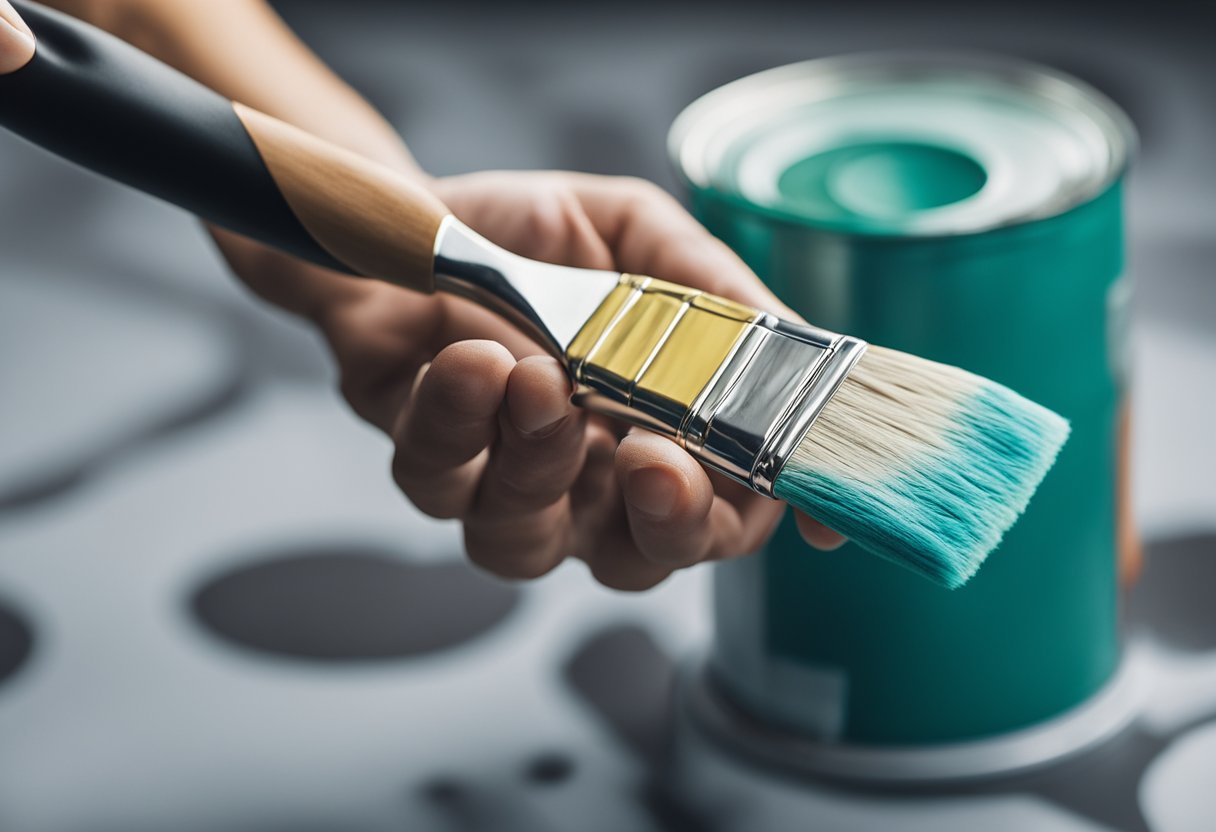
Clean the Surface: Start by thoroughly cleaning the Plasti Dip surface with a degreaser or soap and water. This removes any dirt, grime, or contaminants that can interfere with paint adhesion.

Roughen the Surface: The smooth surface of Plasti Dip needs some texture to help paint adhere. Use a fine-grit sandpaper (220-400 grit) to lightly scuff the surface, creating a slightly roughened texture. This will provide better grip for the paint.
Prime the Surface: Applying a primer specifically designed for plastics is essential. This primer acts as a bonding agent, improving the paint’s adhesion to the Plasti Dip surface. Choose a primer that is compatible with the type of paint you intend to use.
Apply Primer Evenly: Use a brush, roller, or spray gun to apply the primer in thin, even coats. Allow each coat to dry completely before applying the next. Follow the manufacturer’s instructions for drying time.
Sand Between Coats: After the primer dries, lightly sand the surface with fine-grit sandpaper (400-600 grit) to smooth out any imperfections and create a uniform texture. This will help the paint adhere better and provide a smoother finish.

Choosing the Right Paint: A Critical Decision
The type of paint you choose plays a vital role in the success of your project. Consider these factors:
Paint Type: Acrylic latex paints are generally recommended for painting over Plasti Dip due to their good adhesion and durability. However, oil-based paints can also be used, but they require a longer drying time and may produce a stronger odor.
Finish: Choose a paint finish that complements your project. Glossy paints offer a shiny, durable finish, while matte paints provide a subtle, less reflective appearance. Satin finishes offer a balance between gloss and matte.
Durability: If the painted surface will be exposed to harsh conditions, consider using a paint specifically designed for outdoor use or high-traffic areas.
Painting Over Plasti Dip: The Final Touches
Once the preparation is complete, you can proceed with painting:
Apply Paint in Thin Coats: Use a brush, roller, or spray gun to apply the paint in thin, even coats. Avoid applying thick coats, as they can lead to cracking or peeling.
Allow Each Coat to Dry: Allow each coat of paint to dry completely before applying the next. Refer to the manufacturer’s instructions for drying times.
Sand Between Coats: If desired, you can lightly sand between coats with fine-grit sandpaper (600-800 grit) to create a smoother finish.
Apply Multiple Coats: For optimal coverage and durability, apply at least two coats of paint.
Seal the Surface: Once the paint is completely dry, consider applying a sealant to protect the surface from UV rays, moisture, and other environmental factors.
Tips for Success: Maximizing Your Results
Here are some additional tips to enhance your painting experience:
- Ventilation: Ensure adequate ventilation while painting to prevent the buildup of fumes.
- Temperature: Avoid painting in extreme temperatures, as this can affect paint adhesion and drying times.
- Clean Up: Clean your tools and equipment thoroughly after use to prevent paint from drying and hardening.
- Test Before Painting: Test the paint on a small, inconspicuous area of the Plasti Dip surface to ensure compatibility and desired results.
Troubleshooting: Addressing Common Challenges
While following the steps above will significantly increase your chances of success, you may encounter some challenges. Here’s how to address common issues:
Paint Peeling: If the paint peels, it’s likely due to insufficient preparation or improper paint selection. Ensure you’ve thoroughly cleaned, roughened, primed, and used a compatible paint.
Cracking: Cracking can occur if the paint is applied too thick or if the surface experiences excessive movement or vibration. Apply thin coats and consider using a flexible paint or a sealant to prevent cracking.
Uneven Finish: An uneven finish can result from uneven application or improper drying. Apply paint in thin, even coats and allow each coat to dry completely before applying the next.
Color Discoloration: Color discoloration can occur if the paint is not compatible with the Plasti Dip surface. Test the paint on a small area before applying it to the entire surface.
Beyond Painting: Exploring Other Finishing Options
While painting is a popular option for changing the appearance of Plasti Dip surfaces, other finishing options can be explored:
Plasti Dip Over Plasti Dip: You can apply a new layer of Plasti Dip over an existing layer. This is a great way to change colors or add a textured finish.
Vinyl Wrap: Vinyl wrapping offers a durable, customizable, and easily removable alternative to paint.
Decals and Stickers: Adding decals or stickers can personalize your Plasti Dip surface and create a unique look.
Conclusion: Transforming Plasti Dip with Confidence
Painting over Plasti Dip can be a rewarding experience, allowing you to refresh or customize your project. By following the detailed steps and tips outlined in this guide, you can achieve a durable and aesthetically pleasing finish. Remember, proper preparation, careful paint selection, and attention to detail are key to success. With a little effort and the right approach, you can transform your Plasti Dip surfaces with confidence.

Painting Over Plasti Dip: A Comprehensive Guide
Post a Comment for "Painting Over Plasti Dip: A How-To Guide"