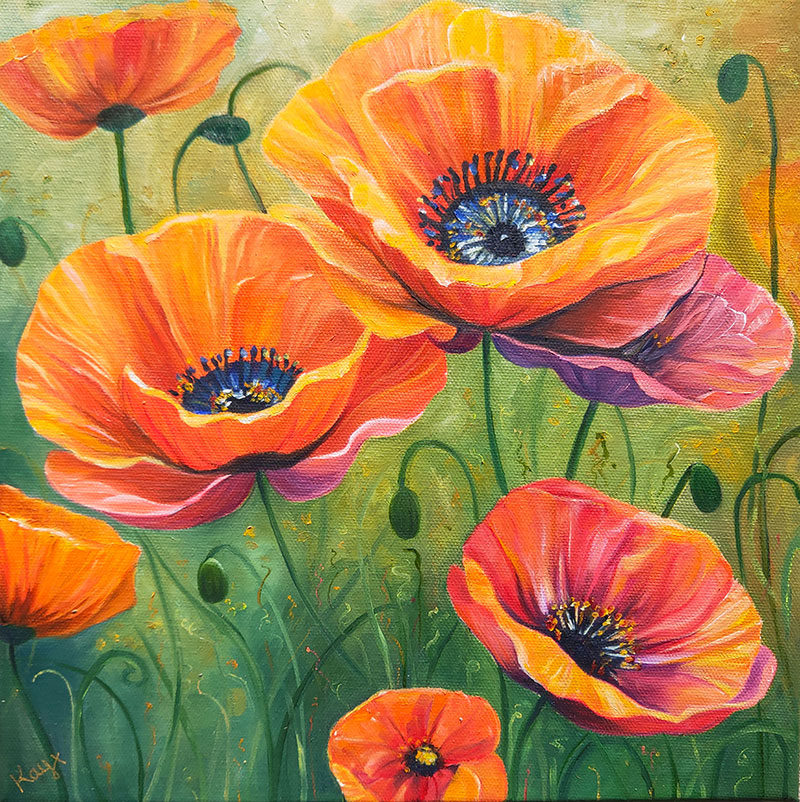
Oil Oasis: Painting Poppies in Oil
Introduction
Embark on a captivating artistic journey as we delve into the enchanting world of oil painting, with a particular focus on capturing the ethereal beauty of poppies. These vibrant and delicate flowers have captivated artists for centuries, and their allure continues to inspire contemporary painters. In this comprehensive guide, we will explore the techniques and materials required to create breathtaking oil paintings of poppies, guiding you through every step of the process from preparation to completion.
Materials
- Oil paints: A range of high-quality oil paints in various shades of red, orange, yellow, green, and white.
- Brushes: A selection of soft-bristled brushes in different sizes and shapes, including round, flat, and filbert brushes.
- Canvas: A stretched canvas or canvas panel in a size and texture that suits your desired painting.
- Palette: A palette for mixing and holding your paints.
- Medium: A painting medium, such as linseed oil or turpentine, to thin the paint and improve its flow.
- Other: A palette knife, rags or paper towels, and a cup of water.
Preparation
- Sketch the Composition: Begin by lightly sketching the composition of your painting onto the canvas using a pencil or charcoal. This will help you establish the placement and proportions of the poppies.
- Apply a Base Layer: Using a large brush, apply a thin layer of paint to the canvas in a neutral color, such as gray or brown. This will provide a base for the poppies and help to unify the painting.
Painting the Poppies
- Establish the Petals: Dip a round brush into a mixture of red and orange paint and begin painting the petals of the poppies. Use a light touch and vary the pressure on the brush to create natural-looking variations in color and texture.
- Add Shadows and Highlights: To create depth and dimension, mix a darker shade of red and apply it to the areas of the petals that would be in shadow. Conversely, mix a lighter shade of red and apply it to the areas that would be in highlight.
- Define the Centers: Using a small brush, paint the centers of the poppies in a deep black or dark brown. This will create a focal point and add contrast to the painting.
- Add Details: Once the basic structure of the poppies is established, you can add details such as veins, stamens, and pistils. Use a fine brush and a mixture of light and dark colors to create a realistic effect.
Painting the Background
- Choose a Color Scheme: Select a color scheme for the background that complements the poppies. Consider using shades of green, blue, or yellow to create a sense of depth and atmosphere.
- Apply the Background: Using a large brush, apply the background color to the canvas, leaving some areas of the poppies exposed.
- Create Texture: To add interest and texture to the background, use a palette knife or a brush to create subtle brushstrokes or impasto effects.
Finishing Touches
- Glazing: Once the painting is dry, you can add layers of transparent glazes to enhance the colors and create a sense of depth. Mix a small amount of paint with a medium and apply it in thin layers, allowing each layer to dry before applying the next.
- Varnishing: To protect the painting and enhance its appearance, apply a layer of varnish once it is completely dry. This will seal the paint and give it a glossy or matte finish, depending on the type of varnish used.
Tips for Success
- Use Reference Photos: Study photographs of poppies to capture their unique shapes, colors, and textures.
- Experiment with Color Mixtures: Don’t be afraid to experiment with different mixtures of colors to create your own unique palette.
- Build Layers Gradually: Apply layers of paint gradually, allowing each layer to dry before applying the next. This will help to create depth and richness in the painting.
- Pay Attention to Detail: Take your time and pay attention to the details of the poppies, such as the veins, stamens, and pistils. These details will bring life and realism to your painting.
- Have Patience: Oil painting can be a slow and meticulous process. Don’t rush the process and allow yourself plenty of time to complete your painting.
Conclusion
With patience, practice, and a keen eye for detail, you can create stunning oil paintings of poppies that capture their ethereal beauty and delicate charm. Embrace the techniques and materials outlined in this guide, and embark on a captivating artistic journey that will bring these vibrant flowers to life on canvas.
Post a Comment for "Oil Oasis: Painting Poppies In Oil"