Unleash Your Creativity: A Guide to Designing Custom Paint Crankbaits

Table of Content
- 1 Unleash Your Creativity: A Guide to Designing Custom Paint Crankbaits
- 1.1 1. The Art of Color Theory: Mastering the Language of Fish
- 1.2 2. The Tools of the Trade: Equipping Your Workshop for Success
- 1.3 3. The Painting Process: From Preparation to Perfection
- 1.4 4. Advanced Techniques: Elevate Your Custom Paint Skills
- 1.5 5. Inspiration and Resources: Fueling Your Creativity
- 1.6 6. Marketing Your Custom Creations: Sharing Your Art with the World
- 1.7 Conclusion: Embrace the Art of Custom Crankbait Painting
Crankbaits are a staple in any angler’s arsenal, offering versatility in targeting various fish species. But what if you could take your fishing experience to the next level by crafting personalized crankbaits with unique paint schemes? Custom paint crankbaits are more than just a visual treat; they offer a powerful tool for attracting fish and expressing your individual style.
This comprehensive guide will delve into the intricate world of custom crankbait painting, equipping you with the knowledge and techniques to create stunning and effective lures. From understanding color theory to mastering paint application techniques, we’ll cover every aspect of this rewarding craft.
1. The Art of Color Theory: Mastering the Language of Fish
The foundation of a successful custom crankbait lies in understanding the principles of color theory and its impact on fish behavior. Fish perceive colors differently than humans, with their visual spectrum skewed towards blues, greens, and yellows. This knowledge is crucial in choosing the right color combinations to trigger a feeding response.
Understanding Fish Vision: Fish possess a unique visual system that emphasizes certain colors over others. They excel at detecting shades of blue, green, and yellow, while red and orange appear less vibrant. This understanding allows you to create color schemes that mimic natural prey or stand out against the surrounding environment.
Choosing the Right Colors: When selecting colors, consider the target species and the water conditions. For instance, a crankbait designed for bass in clear water might feature a bright chartreuse or red body, while a lure targeting trout in a murky river might benefit from a more muted green or brown.

Creating Effective Contrasts: The contrast between colors plays a vital role in attracting fish. Consider using a bright, contrasting color on the belly or sides of the crankbait to create a visual flash that catches their attention. This can be achieved by incorporating a distinct color on the lip, sides, or tail.

Mimicking Natural Prey: Replicating the colors and patterns of natural prey is a tried-and-true method for success. Researching the diet of your target species will provide valuable insights into the most effective color combinations.
2. The Tools of the Trade: Equipping Your Workshop for Success
Before embarking on your custom crankbait painting journey, it’s essential to gather the right tools and materials. Investing in quality supplies will ensure a smooth and professional finish.

Crankbaits: Choose crankbaits with a smooth, durable finish that will accept paint well. Consider the size, shape, and action of the crankbait based on your target species and fishing conditions.
Paints: Opt for high-quality acrylic paints specifically designed for fishing lures. These paints are formulated to withstand the rigors of casting, retrieval, and water immersion.
Brushes: Invest in a variety of brush sizes, from fine-tipped detail brushes to larger flat brushes for base coats. Choose brushes with synthetic bristles, as they hold their shape better and resist paint buildup.
Masking Tape: Masking tape is essential for creating clean lines and precise patterns. Choose a tape that adheres well to the surface of the crankbait without leaving residue.
Clear Coat: A clear coat is crucial for protecting your paint job from scratches and abrasion. Choose a durable, UV-resistant clear coat designed for fishing lures.
Primer: A primer provides a smooth, even surface for the paint to adhere to. Choose a primer compatible with the chosen paint type.
Sandpaper: Sandpaper is used to smooth out imperfections and create a uniform surface for painting. Use fine-grit sandpaper for final sanding.
Gloves: Wearing gloves will prevent your hands from leaving fingerprints on the paint.
3. The Painting Process: From Preparation to Perfection
The painting process requires meticulous attention to detail, ensuring a durable and visually appealing finish. Follow these steps to achieve professional-looking results:
Preparation: Begin by thoroughly cleaning the crankbait with soap and water. Remove any existing paint or debris with a gentle abrasive.
Primer Application: Apply a thin, even coat of primer to the entire surface of the crankbait. Allow the primer to dry completely before proceeding.
Base Coat: Apply a base coat of your chosen color to the crankbait. Use a thin, even coat and allow it to dry completely.
Masking: If you’re incorporating multiple colors or patterns, use masking tape to create clean lines. Apply the tape carefully and press it firmly against the surface.
Paint Application: Apply the remaining colors using thin, even coats. Allow each coat to dry completely before applying the next.
Detailing: Use a fine-tipped brush to add details, such as eyes, scales, or fins. Be patient and take your time to achieve a precise finish.
Clear Coat Application: Apply a thin, even coat of clear coat to the entire surface of the crankbait. Allow the clear coat to dry completely before handling.
Finishing Touches: Once the clear coat is dry, you can add a final touch of detail or a protective sealant.
4. Advanced Techniques: Elevate Your Custom Paint Skills
Mastering the basics of custom crankbait painting opens the door to exploring advanced techniques that elevate your creations to the next level.
Airbrushing: Airbrushing allows for precise control and smooth transitions between colors. It’s ideal for creating intricate patterns and realistic details.
Multi-Layer Techniques: Experiment with layering different colors and textures to create depth and dimension. Try layering translucent colors over opaque base coats or incorporating metallic paints for a shimmering effect.
Special Effects: Explore various special effects, such as glitter, holographic flakes, or UV-reactive paints. These effects can enhance the visual appeal and attract fish in different lighting conditions.
Decals and Stickers: Decals and stickers offer a quick and easy way to add unique designs to your crankbaits. Choose decals that are durable and waterproof.
Experimentation: Don’t be afraid to experiment with different techniques and combinations. The possibilities for custom crankbait painting are endless.
5. Inspiration and Resources: Fueling Your Creativity
Finding inspiration is key to developing your own unique style. Explore various resources to spark your imagination and discover new techniques.
Online Communities: Connect with other custom paint enthusiasts online. Share your creations, seek advice, and find inspiration from the work of others.
Books and Magazines: Explore books and magazines dedicated to fishing lure painting. These resources offer valuable tips, techniques, and color combinations.
Videos and Tutorials: Online platforms like YouTube offer countless videos and tutorials on custom paint crankbaits. Learn from experienced artists and discover new techniques.
Nature: Observe the colors, patterns, and textures found in nature. Use these elements as inspiration for your custom designs.
6. Marketing Your Custom Creations: Sharing Your Art with the World
Once you’ve mastered the art of custom crankbait painting, consider sharing your creations with the world.
Online Marketplaces: List your custom crankbaits on online marketplaces like Etsy or eBay. These platforms connect you with a wide audience of buyers.
Social Media: Showcase your work on social media platforms like Instagram or Facebook. Use high-quality photos and engaging captions to attract potential customers.
Local Fishing Shops: Contact local fishing shops and inquire about selling your custom crankbaits.
Fishing Tournaments: Participate in fishing tournaments and display your custom crankbaits. This is a great way to promote your work and connect with other anglers.
Conclusion: Embrace the Art of Custom Crankbait Painting
Custom paint crankbaits are a testament to the creative spirit and passion that drives anglers. By understanding color theory, mastering painting techniques, and embracing inspiration, you can craft unique lures that are both aesthetically pleasing and effective in attracting fish.
As you embark on this rewarding journey, remember that practice makes perfect. Experiment, explore, and don’t be afraid to push the boundaries of your creativity. With dedication and perseverance, you’ll soon be crafting custom crankbaits that are as unique as your fishing style.
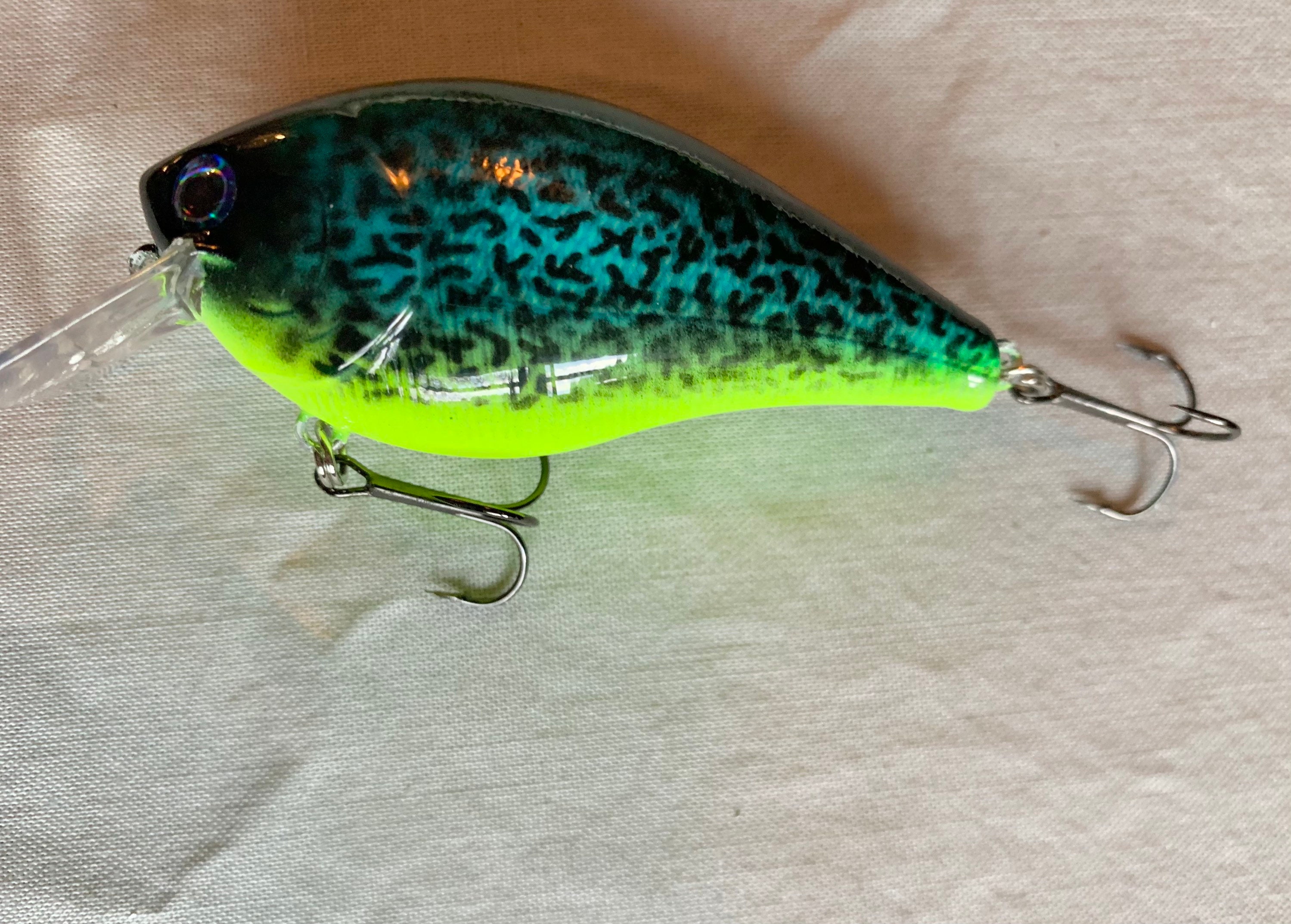
Unleash Your Creativity: A Guide to Designing Custom Paint Crankbaits
Post a Comment for "Custom Paint Crankbaits: Tips For Unique Designs"