Painting the Town Fancy: Dianthus, Floral Inspirations for Every Occasion

Table of Content
- 1 Painting the Town Fancy: Dianthus, Floral Inspirations for Every Occasion
- 1.1 A Symphony of Colors: Unveiling the Diversity of Dianthus
- 1.2 Beyond the Garden: The Cultural Significance of Dianthus
- 1.3 Cultivating Your Own Dianthus Paradise: Tips for Success
- 1.4 Transforming Spaces with Dianthus: Creative Applications
- 1.5 Conclusion: The Enduring Beauty of Dianthus
Dianthus, a genus of flowering plants in the Caryophyllaceae family, boasts a captivating history and an array of vibrant colors, making them a cherished choice for gardens, bouquets, and decorative arrangements. With their delicate, fringed petals and captivating fragrance, these blooms have long been associated with love, passion, and celebration. This article delves into the fascinating world of Dianthus, exploring their diverse varieties, cultural significance, and practical applications, offering inspiration for incorporating their beauty into any space.
A Symphony of Colors: Unveiling the Diversity of Dianthus
The Dianthus genus encompasses over 300 species, each offering a unique blend of characteristics, including flower shape, size, and color. From the classic red of the Carnation, symbolizing love and affection, to the soft pinks and whites of the Sweet William, associated with grace and elegance, Dianthus presents a kaleidoscope of floral possibilities.
Carnations (Dianthus caryophyllus): These quintessential blooms are available in a stunning array of colors, including red, pink, white, yellow, purple, and even green. Their fringed petals and captivating fragrance make them a popular choice for bouquets, corsages, and decorative arrangements. Carnations are also known for their long vase life, making them a practical and enduring floral choice.
Sweet William (Dianthus barbatus): This beloved species features clusters of small, fragrant flowers in vibrant shades of red, pink, white, and purple. Sweet Williams are known for their cheerful appearance and are often used in cottage gardens and mixed borders. Their compact habit makes them ideal for container gardening, adding a splash of color to balconies and patios.
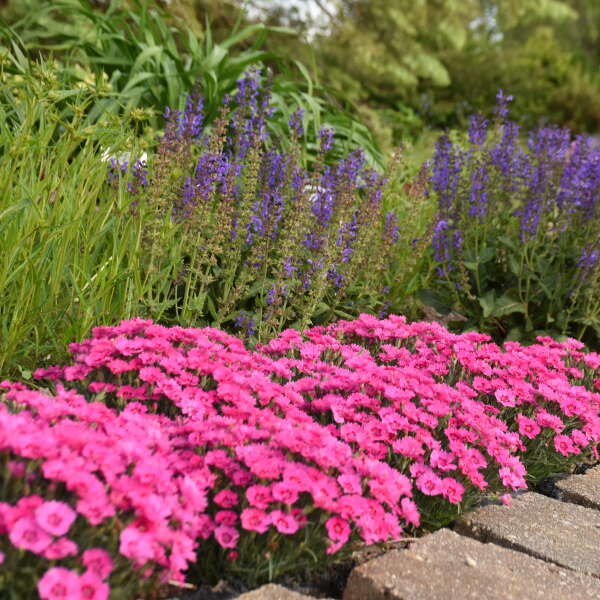
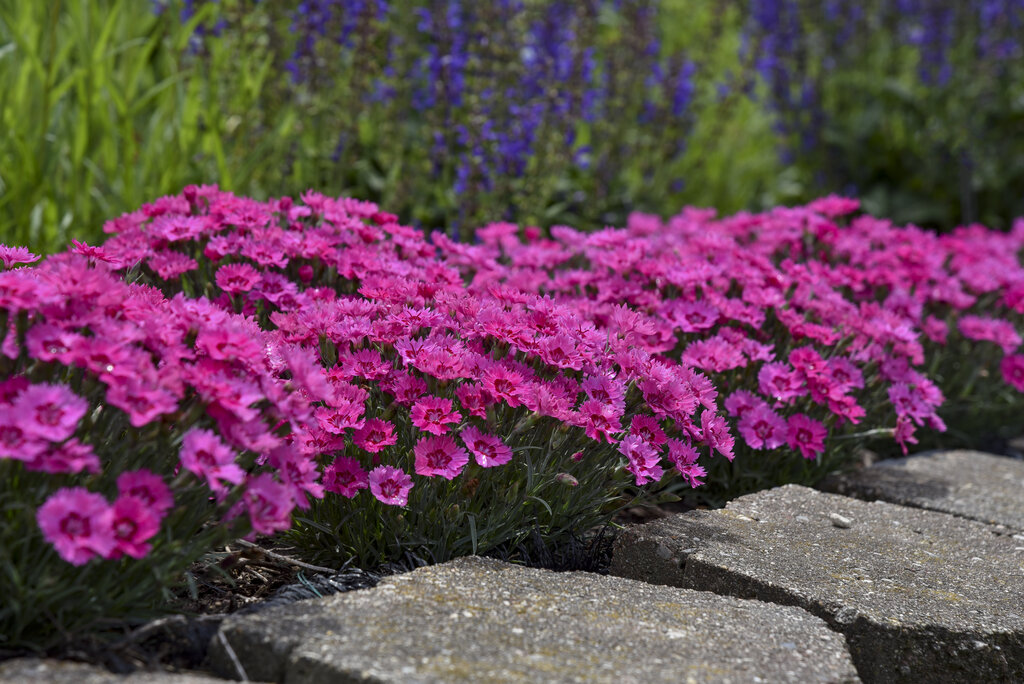
Pinks (Dianthus plumarius): These delicate blooms feature finely fringed petals and a captivating fragrance, reminiscent of cloves. Pinks are available in a range of colors, including pink, white, red, and purple. Their low-growing habit makes them perfect for edging gardens, rock gardens, and ground cover.
China Pinks (Dianthus chinensis): These compact, hardy plants produce an abundance of single or double flowers in a variety of colors, including pink, red, white, and purple. China Pinks are known for their long flowering period, adding a burst of color to gardens from spring to autumn.
Other Notable Dianthus Varieties:
- Dianthus deltoides (Maiden Pink): This low-growing species features small, pink flowers with a delicate fragrance. It is often used as a ground cover or in rock gardens.
- Dianthus superbus (Fringed Pink): This species boasts large, fringed flowers with a captivating fragrance. It is a popular choice for gardens and cut flower arrangements.
- Dianthus gratianopolitanus (Cheddar Pink): This hardy species features small, pink flowers with a spicy fragrance. It is well-suited for rock gardens and dry, sunny locations.
Beyond the Garden: The Cultural Significance of Dianthus
Dianthus holds a significant place in various cultures, symbolizing love, passion, and celebration. Their association with these emotions dates back centuries, with different species and colors carrying distinct meanings.
Carnations and Love: Red carnations are traditionally associated with love and passion, while pink carnations represent gratitude and admiration. White carnations symbolize purity and innocence, making them a popular choice for weddings and other special occasions.
Sweet Williams and Celebration: These cheerful blooms are often used in floral arrangements for weddings, birthdays, and other joyous celebrations. Their vibrant colors and sweet fragrance add a touch of festivity to any occasion.
Pinks and Grace: These delicate blooms are often associated with grace, elegance, and beauty. Their delicate fragrance and finely fringed petals make them a popular choice for romantic bouquets and special occasions.
Dianthus in Literature and Art: The captivating beauty of Dianthus has inspired artists and writers throughout history. From the intricate details of botanical illustrations to the lyrical descriptions in poetry, these blooms have captured the imagination and inspired creativity.
Cultivating Your Own Dianthus Paradise: Tips for Success

Dianthus are relatively easy to grow, thriving in well-drained soil and full sun. Here are some tips for cultivating these beautiful blooms in your garden:
Soil Preparation: Dianthus prefer well-drained soil with a slightly acidic pH. Amend heavy clay soil with compost or sand to improve drainage.
Planting: Plant Dianthus in spring or autumn, spacing them 12-18 inches apart. Water thoroughly after planting.
Sunlight: Dianthus thrive in full sun, receiving at least six hours of direct sunlight daily.
Watering: Water Dianthus regularly, especially during dry periods. Allow the soil to dry slightly between waterings.
Fertilizing: Feed Dianthus with a balanced fertilizer every few weeks during the growing season.
Deadheading: Deadhead spent flowers to encourage continuous blooming.
Propagation: Dianthus can be propagated by seed, cuttings, or division.
Pest and Disease Control: Dianthus are generally pest and disease resistant. However, they can be susceptible to aphids, slugs, and powdery mildew. Monitor your plants regularly and take appropriate measures to control any pests or diseases.
Transforming Spaces with Dianthus: Creative Applications
Dianthus’ versatility extends beyond the garden, making them a coveted choice for floral arrangements, decorative crafts, and even culinary creations.
Floral Arrangements: Dianthus add a touch of elegance and fragrance to bouquets, centerpieces, and other floral arrangements. Their delicate petals and vibrant colors make them a perfect complement to other flowers, creating visually stunning and fragrant displays.
Decorative Crafts: Dianthus can be incorporated into various decorative crafts, such as dried flower arrangements, wreaths, and floral jewelry. Their delicate petals and unique textures add a touch of natural beauty to any craft project.
Culinary Creations: Some Dianthus species, particularly the clove pink (Dianthus caryophyllus), are edible and can be used to infuse flavor into drinks, desserts, and savory dishes. Their delicate floral notes add a unique and refreshing twist to culinary creations.
Conclusion: The Enduring Beauty of Dianthus
From their vibrant colors and captivating fragrance to their cultural significance and practical applications, Dianthus continues to inspire and delight. Whether adorning gardens, gracing bouquets, or adding a touch of elegance to decorative crafts, these blooms embody the essence of beauty, love, and celebration. By embracing the diversity of Dianthus varieties and incorporating their charm into your life, you can create a world filled with vibrant color, captivating fragrance, and enduring beauty.
Painting the Town Fancy: Dianthus, Floral Inspirations for Every Occasion
Post a Comment for "Painting The Town Fancy Dianthus: Floral Inspirations"