Unleashing Creativity: Fun and Educational Mouse Paint Activities for Kids
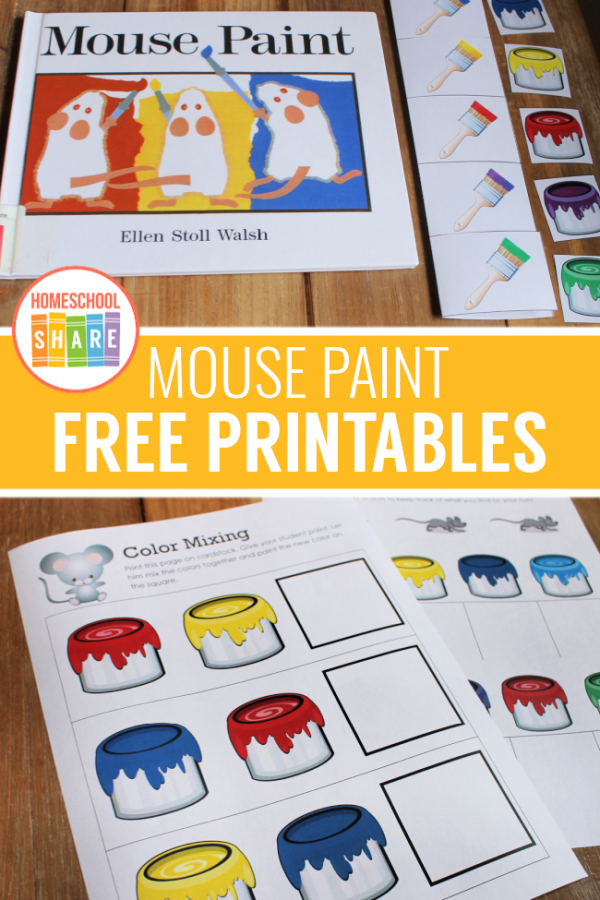
The captivating world of "Mouse Paint" by Ellen Stoll Walsh offers a delightful blend of art, storytelling, and learning opportunities for young children. This beloved children’s book, with its vibrant illustrations and engaging narrative, provides a springboard for countless creative and educational activities that can spark imagination, enhance fine motor skills, and foster a love for art.
Beyond the Pages: Exploring the Mouse Paint World
Beyond simply reading the story, "Mouse Paint" can be the catalyst for a myriad of activities that bring the book to life. These activities can be tailored to different age groups and learning styles, ensuring a fun and engaging experience for every child.
1. Color Mixing Adventures: A Sensory Exploration
The core concept of "Mouse Paint" revolves around color mixing. This provides a perfect opportunity to introduce children to the basics of color theory through hands-on exploration.
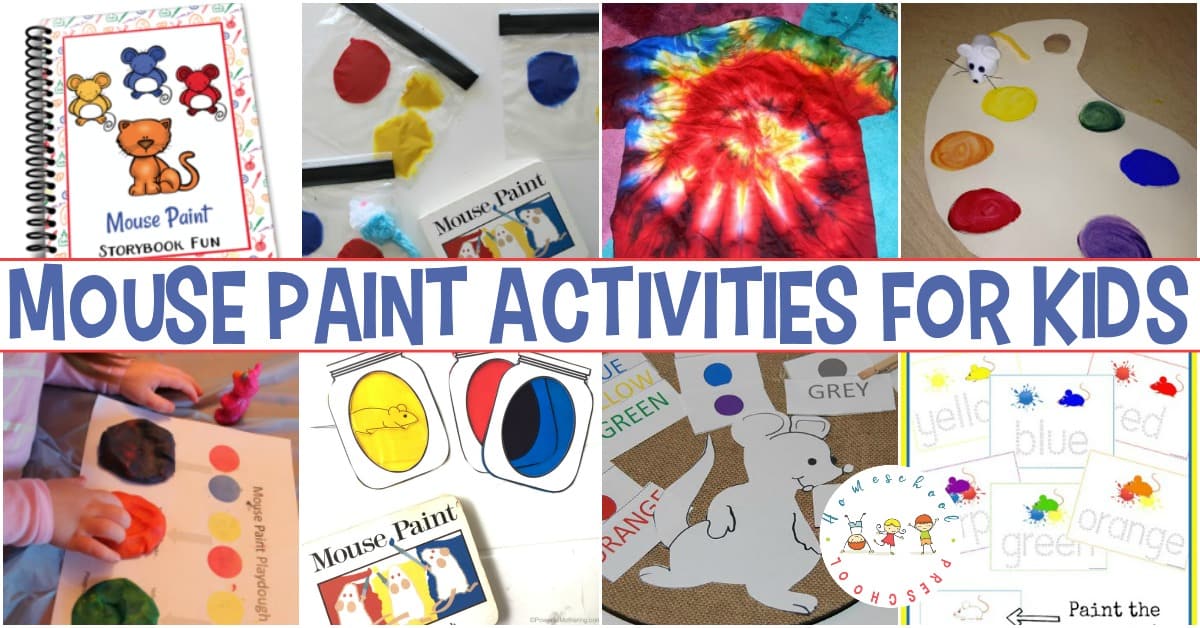
- Paint Mixing Station: Set up a designated "Mouse Paint" station with various colors of paint, brushes, and paper. Encourage children to experiment with different color combinations, mimicking the mice in the book.
- Color Mixing Chart: Create a simple chart with primary colors (red, yellow, blue) and their resulting secondary colors (orange, green, purple). As children mix colors, they can mark the chart, visually connecting the process of color mixing.
- Color Mixing Sensory Bins: Fill sensory bins with colorful rice, sand, or playdough. Provide small scoops, spoons, and measuring cups for children to mix the different colors, creating their own "Mouse Paint" concoctions.

2. Mouse Paint Masterpieces: Unleashing Artistic Expression
"Mouse Paint" inspires children to create their own artistic interpretations of the story. Encourage them to express their creativity through various art forms.
- Painting with Watercolors: Provide watercolor paints and brushes, allowing children to recreate the vibrant colors of the book. They can paint scenes from the story, the mice themselves, or even their own imaginary mouse worlds.
- Finger Painting Fun: Finger painting provides a tactile and sensory experience. Encourage children to use their fingers to create colorful swirls and patterns, mimicking the mice’s playful exploration of color.
- Collage Creations: Gather a variety of colorful materials like construction paper, tissue paper, and glitter. Children can cut and paste these materials to create their own "Mouse Paint" collages, incorporating their favorite scenes or characters from the book.
3. Mouse Paint Storytelling: Encouraging Language and Imagination
"Mouse Paint" provides a rich framework for developing language skills and fostering imagination.
- Retelling the Story: Encourage children to retell the story in their own words, focusing on the sequence of events and the mice’s interactions with color. This helps develop language skills and comprehension.
- Creating Mouse Paint Stories: Encourage children to create their own "Mouse Paint" stories, expanding on the original narrative or exploring new themes related to color and creativity.
- Dramatic Play: Set up a "Mouse Paint" play area with costumes, props, and a backdrop representing the mice’s world. Children can act out the story, creating their own dialogues and scenes.

4. Mouse Paint Math Adventures: Exploring Numbers and Patterns
"Mouse Paint" can be a fun and engaging way to introduce children to basic math concepts.
- Counting Mice: Count the number of mice in each scene of the book, reinforcing number recognition and counting skills.
- Color Sorting: Provide a collection of colorful objects or pictures. Children can sort them by color, matching them to the colors in the book. This reinforces color recognition and categorization skills.
- Pattern Recognition: Focus on the patterns created by the mice as they mix colors. Encourage children to identify and describe these patterns, developing their visual recognition skills.
5. Mouse Paint Sensory Play: Engaging Multiple Senses
"Mouse Paint" provides opportunities for engaging multiple senses, creating a multi-sensory learning experience.
- Sensory Bottles: Create "Mouse Paint" sensory bottles filled with colorful liquids, glitter, and beads. Children can shake and observe the swirling colors, stimulating their visual and auditory senses.
- Color Matching Games: Create matching games using colorful objects or pictures. Children can match colors, developing their visual discrimination and matching skills.
- Color-Themed Sensory Play: Set up a sensory bin with colored rice, sand, or playdough. Children can use their hands to explore the different textures and colors, engaging their tactile and visual senses.
Beyond the Activities: The Enduring Impact of "Mouse Paint"
The activities inspired by "Mouse Paint" are not just fun and engaging; they provide valuable learning experiences that contribute to a child’s overall development.
- Fine Motor Skills: Activities like painting, finger painting, and color sorting help develop fine motor skills, which are essential for writing, drawing, and other everyday tasks.
- Creativity and Imagination: "Mouse Paint" encourages children to explore their creativity and imagination, fostering a sense of wonder and curiosity about the world around them.
- Language and Literacy: The story provides opportunities for developing language skills, vocabulary, and comprehension.
- Math and Science: The book’s focus on color mixing introduces children to basic math and science concepts in a fun and engaging way.
Extending the Learning: Connecting with Other Resources
"Mouse Paint" can be integrated with other learning resources to enhance the learning experience.
- Art Projects: Connect "Mouse Paint" with other art projects that explore color mixing, such as creating rainbows, tie-dye designs, or marbling techniques.
- Science Experiments: Link "Mouse Paint" with simple science experiments involving color mixing, such as creating a homemade lava lamp or exploring the properties of different types of paint.
- Music and Movement: Introduce children to songs and dances that focus on colors, such as "The Colors of the Rainbow" or "Head, Shoulders, Knees and Toes" with different colored props.
A Lasting Legacy: The Power of "Mouse Paint"
"Mouse Paint" is more than just a children’s book; it’s a gateway to a world of creativity, learning, and imagination. The activities inspired by the book provide a fun and engaging way for children to develop essential skills and explore their passions.
By embracing the "Mouse Paint" world, children not only learn but also discover the joy of art, the power of imagination, and the endless possibilities that come with exploring the world around them.
Unleashing Creativity: Fun and Educational Mouse Paint Activities for Kids
Post a Comment for "Fun And Educational Mouse Paint Activities For Kids"