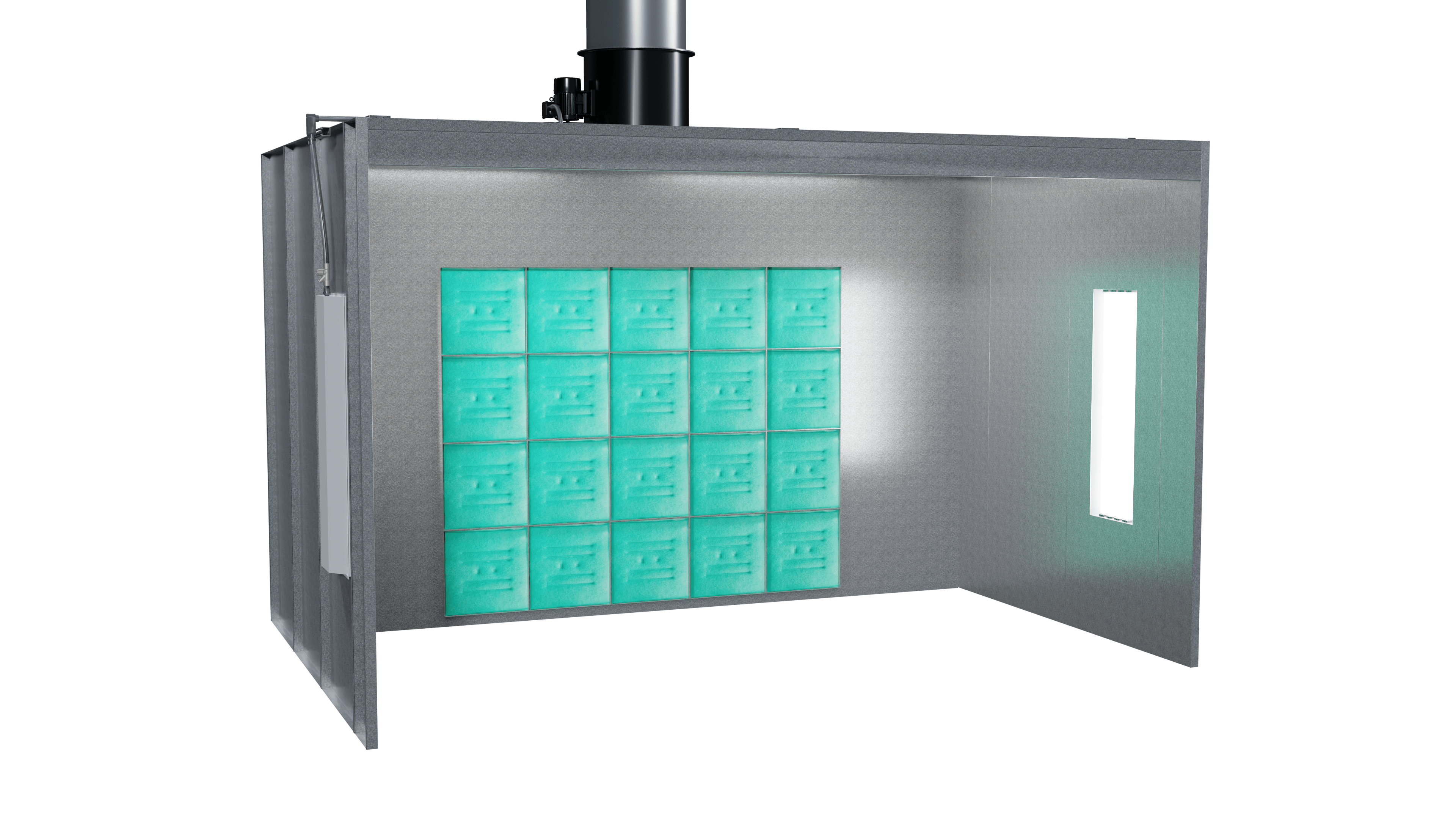
Exhaust Excellence: Exploring Paint Booth Exhaust Walls
Introduction
Paint booth exhaust walls play a crucial role in maintaining a safe and efficient work environment within automotive and industrial painting facilities. By effectively capturing and removing hazardous fumes, dust, and overspray, these walls help protect the health of workers, prevent environmental pollution, and ensure optimal paint quality. This comprehensive guide delves into the intricacies of paint booth exhaust walls, exploring their design, materials, and operation to provide a thorough understanding of their importance and functionality.
Design Considerations
The design of paint booth exhaust walls is paramount to their effectiveness. These walls are typically constructed using a combination of materials, including metal panels, fiberglass, and fire-resistant fabrics. The panels are designed to create a sealed enclosure around the paint booth, preventing fumes and overspray from escaping into the surrounding area.
The height and width of the exhaust walls are determined by the size of the paint booth and the volume of fumes generated. Taller walls are required for larger booths or those used for spray painting applications that produce significant amounts of overspray. The walls should also extend beyond the booth’s footprint to capture fumes and overspray that may escape during the painting process.
Materials and Construction
The materials used in the construction of paint booth exhaust walls are crucial for ensuring their durability, fire resistance, and corrosion resistance. Metal panels, such as galvanized steel or aluminum, are commonly used due to their strength and ability to withstand high temperatures. Fiberglass is another popular material, offering excellent corrosion resistance and lightweight properties.
The panels are typically assembled using a combination of welding, bolting, and sealing techniques. The joints between the panels must be sealed to prevent air leaks and ensure the integrity of the enclosure. Fire-resistant fabrics are often used to create curtains or baffles within the exhaust walls, helping to contain fumes and prevent the spread of fire.
Operation and Maintenance
Proper operation and maintenance of paint booth exhaust walls are essential for their long-term performance and safety. The walls should be regularly inspected for any damage or leaks. Any tears or holes in the panels or fabrics should be repaired promptly to maintain the integrity of the enclosure.
The exhaust system connected to the walls should be inspected and cleaned regularly to ensure proper airflow and prevent the buildup of flammable materials. Filters within the exhaust system should be replaced as needed to maintain optimal performance.
Benefits of Paint Booth Exhaust Walls
The implementation of paint booth exhaust walls provides numerous benefits for automotive and industrial painting facilities. These include:
- Improved Worker Safety: Exhaust walls protect workers from exposure to hazardous fumes, dust, and overspray, reducing the risk of respiratory illnesses and other health problems.
- Environmental Protection: By capturing and removing pollutants, exhaust walls help prevent air pollution and protect the environment.
- Enhanced Paint Quality: Exhaust walls create a clean and controlled painting environment, reducing the risk of contamination and ensuring optimal paint adhesion and finish.
- Increased Productivity: A well-maintained exhaust system improves airflow within the paint booth, reducing downtime and increasing productivity.
- Compliance with Regulations: Paint booth exhaust walls are often required by local and national regulations to ensure compliance with environmental and safety standards.
Conclusion
Paint booth exhaust walls are an essential component of any automotive or industrial painting facility. By effectively capturing and removing hazardous fumes, dust, and overspray, these walls protect workers, the environment, and the quality of the paint finish. Understanding the design, materials, and operation of paint booth exhaust walls is crucial for ensuring their optimal performance and longevity. By implementing and maintaining these walls, painting facilities can create a safe and efficient work environment while meeting regulatory requirements and enhancing the quality of their products.
Diagram: Paint Booth Exhaust Wall Materials and Construction
| Material | Properties |
|---|---|
| Galvanized Steel | Strong, durable, fire-resistant |
| Aluminum | Lightweight, corrosion-resistant, fire-resistant |
| Fiberglass | Corrosion-resistant, lightweight, fire-resistant |
| Fire-Resistant Fabrics | Contain fumes, prevent fire spread |
Additional Information
- For more information on paint booth exhaust walls, refer to the following resources:
- Occupational Safety and Health Administration (OSHA): https://www.osha.gov/paint-and-coating
- National Fire Protection Association (NFPA): https://www.nfpa.org/codes-and-standards/all-codes-and-standards/list-of-codes-and-standards/detail?code=33
- American Society of Heating, Refrigerating and Air-Conditioning Engineers (ASHRAE): https://www.ashrae.org/
Post a Comment for "Exhaust Excellence: Exploring Paint Booth Exhaust Walls"