Mastering the Art of Realistic Latex Mask Painting: From Beginner to Pro

Latex masks, with their malleable nature and ability to capture fine detail, offer a unique canvas for crafting astonishingly realistic effects. Whether you’re a seasoned special effects artist or a curious beginner, mastering the art of latex mask painting is a journey of discovery, technique, and artistic expression.
This comprehensive guide will equip you with the knowledge and skills to transform your latex mask from a blank canvas into a captivating piece of visual storytelling.
Understanding the Latex Canvas:
Latex masks, derived from the sap of the Hevea brasiliensis tree, are renowned for their versatility and durability. They offer a smooth, consistent surface that readily accepts paint, allowing for intricate detail and subtle transitions. However, latex possesses a unique set of properties that demand specific approaches to painting:
- Porosity: Latex is porous, meaning it absorbs moisture and can affect the application and drying time of paints.
- Flexibility: The inherent flexibility of latex can lead to cracking or flaking if paints are not applied correctly.
- Texture: Latex has a slightly textured surface, which can be exploited for realistic skin effects but requires careful blending and layering of paint.
Essential Tools and Materials:
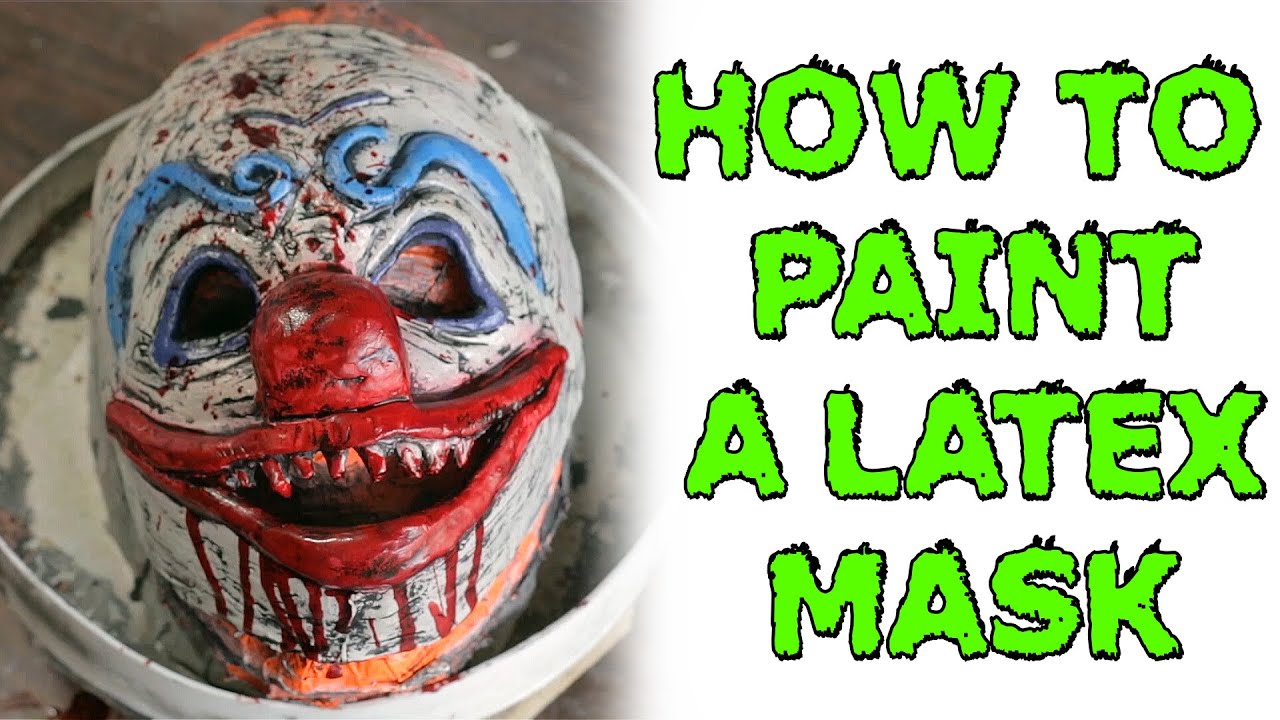
Before embarking on your latex mask painting journey, gather the following essential tools and materials:
- Latex Mask: Choose a high-quality latex mask that suits your project’s needs, considering factors like thickness, detail, and intended use.
- Paints: Select water-based acrylic paints specifically designed for latex masks. These offer excellent adhesion, vibrant colors, and easy cleanup.
- Brushes: A diverse range of brushes is crucial for achieving different effects. Soft, natural-hair brushes are ideal for blending, while stiffer brushes can be used for details and textures.
- Palette: A palette provides a clean and organized surface for mixing paints and keeping your workspace tidy.
- Palette Knife: A palette knife is useful for mixing paints, scraping off excess paint, and creating textures.
- Sponge: A sponge can be used to apply and blend paint, especially for creating smooth, even skin tones.
- Masking Tape: Masking tape helps protect areas you don’t want to paint and creates clean lines.
- Scissors: Scissors are used for trimming excess latex and cutting masking tape.
- Clear Acrylic Sealant: A sealant protects your painted mask from wear and tear, ensuring longevity and vibrant colors.
Preparing the Latex Mask:
Before applying paint, prepare your latex mask for a smooth and even application:
- Clean the Mask: Use a mild soap and water to remove any dust, debris, or residues from the manufacturing process.
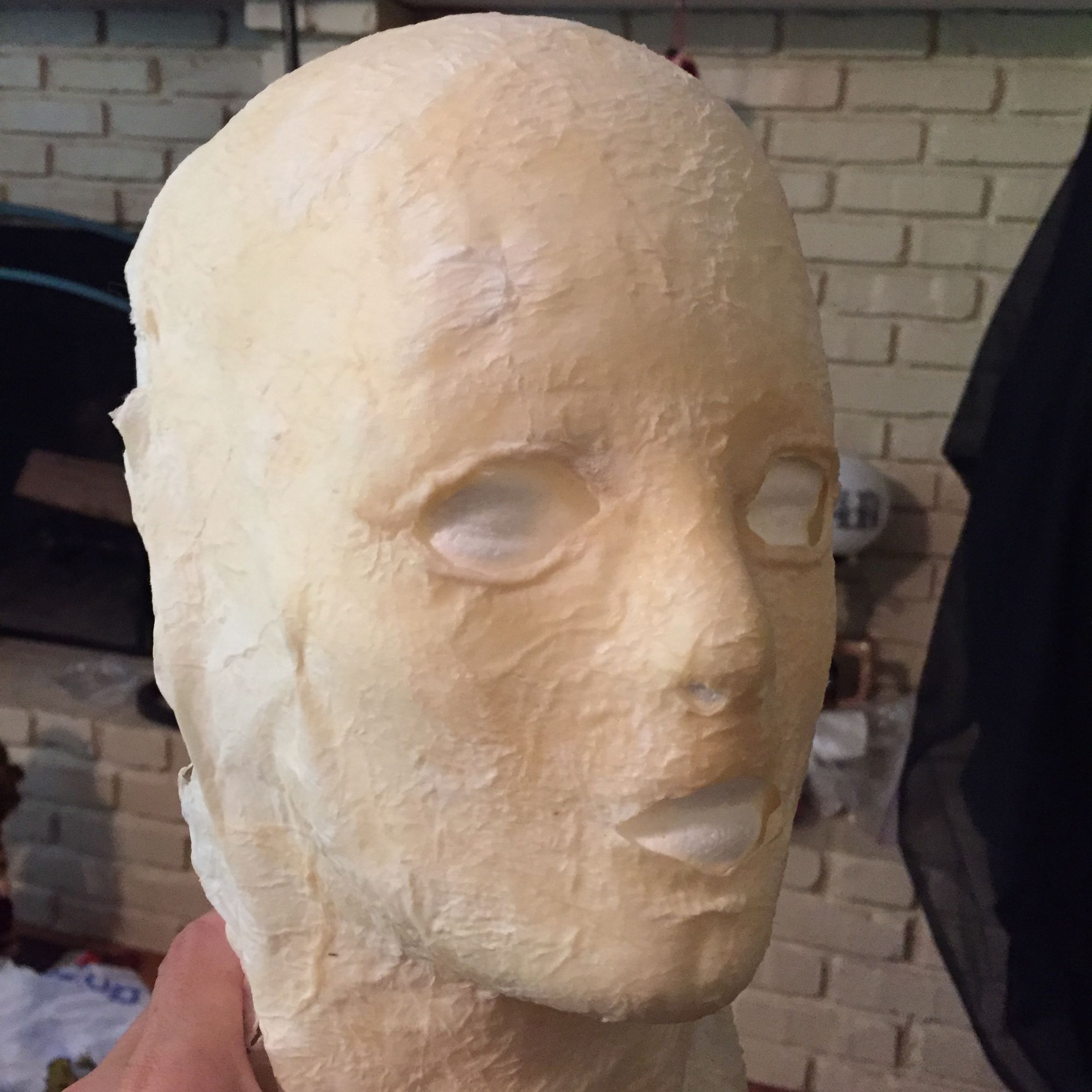
- Prime the Mask: Apply a thin, even coat of acrylic primer specifically designed for latex. This creates a smooth surface that enhances paint adhesion and prevents the paint from soaking into the latex.
- Allow Drying: Let the primer dry completely before proceeding to the painting stage.
Painting Techniques for Realistic Effects:
With your prepared mask ready, it’s time to explore the various painting techniques that bring your latex mask to life:
1. Building Skin Tones:
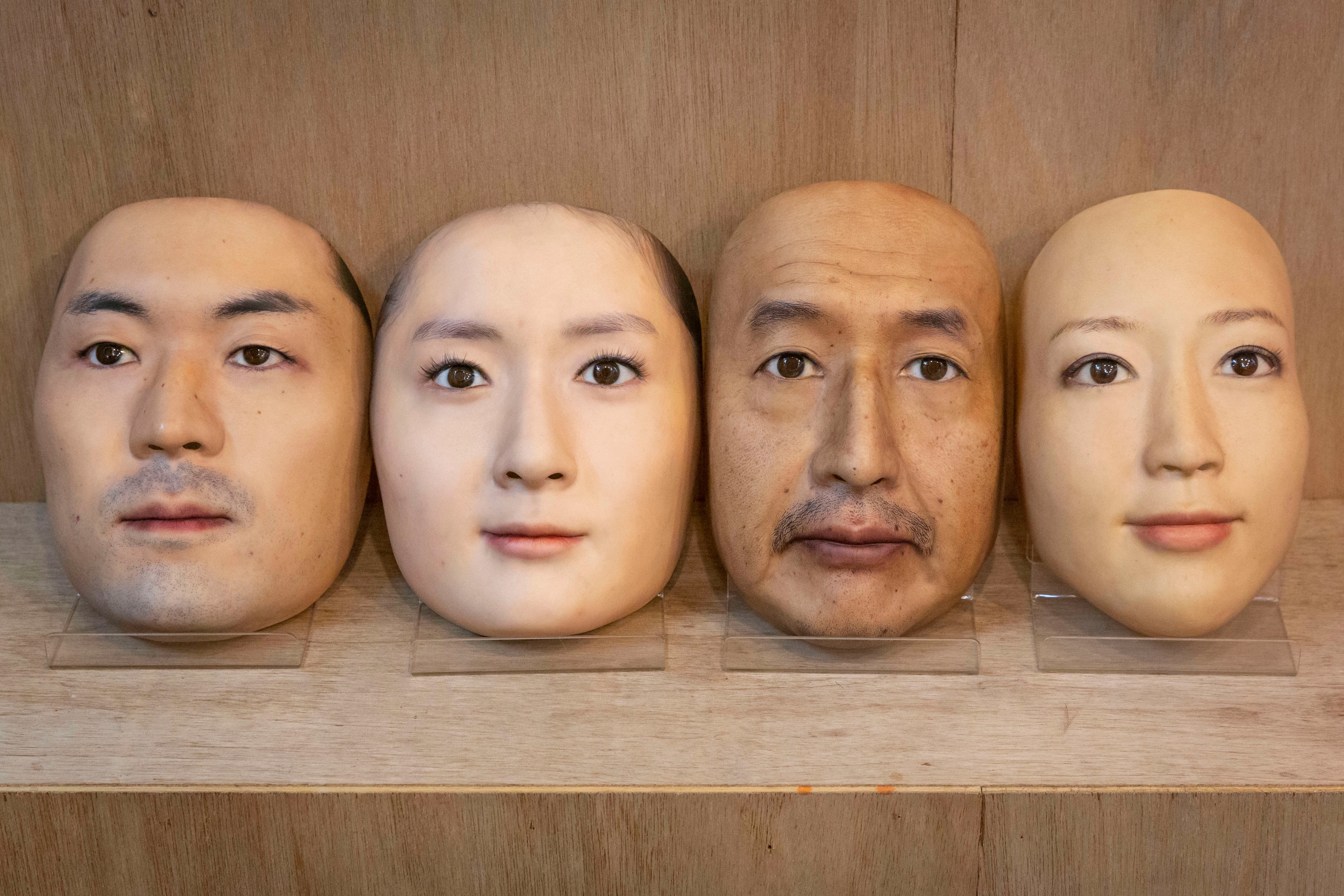
- Base Layer: Begin with a base layer of skin tone using a light, even application of paint.
- Blending: Use soft, natural-hair brushes to blend the base layer, creating smooth transitions and avoiding harsh lines.
- Shadows and Highlights: Apply darker shades to create shadows and lighter shades to highlight areas like cheekbones, nose bridge, and forehead.
- Color Variations: Incorporate subtle color variations within the skin tone to create a more realistic appearance.
2. Adding Depth and Detail:
- Sculpting with Paint: Use darker paints to create wrinkles, lines, and creases, mimicking the natural texture of skin.
- Stippling: Apply small dots of paint with a stippling brush to create a textured effect for freckles, moles, or blemishes.
- Dry Brushing: Use a dry brush with a small amount of paint to create subtle highlights and texture.
- Layering: Build up layers of paint to create depth and dimension.
3. Achieving Realistic Eyes:
- Iris and Pupil: Paint the iris using a base color and then add details like veins and patterns. Create a black pupil for depth.
- Eyelids: Apply a thin layer of paint to the eyelids, blending it subtly with the surrounding skin tone.
- Eyebrows and Lashes: Use a fine brush to paint realistic eyebrows and lashes, adding definition and expression.
4. Creating Realistic Hair:
- Base Color: Paint the base color of the hair using a thin, even layer.
- Highlight and Shadows: Use lighter shades to highlight areas where light would hit the hair and darker shades to create shadows.
- Strands and Texture: Use a fine brush to create individual strands of hair, adding texture and depth.
5. Applying Final Touches:
- Blood and Wounds: Use specialized blood effects paint to create realistic wounds and injuries.
- Dirt and grime: Apply subtle amounts of brown and gray paint to create a realistic dirt and grime effect.
- Scars and Tattoos: Use fine brushes and specialized paints to create detailed scars and tattoos.
6. Sealing and Protecting Your Mask:
- Clear Acrylic Sealant: Apply a thin, even coat of clear acrylic sealant to protect your painted mask from wear and tear.
- Allow Drying: Let the sealant dry completely before handling or storing your mask.
Mastering the Art of Latex Mask Painting:
While the techniques and principles outlined above provide a solid foundation, true mastery of latex mask painting comes with practice and experimentation. Here are some additional tips for achieving exceptional results:
- Study Anatomy: Familiarize yourself with the anatomy of the human face and body to accurately depict features and details.
- Observe Real-Life Textures: Examine real skin, hair, and other textures for inspiration and to understand how light and shadow interact with them.
- Practice Patience: Latex mask painting requires patience and attention to detail. Don’t rush the process; allow each layer to dry completely before applying the next.
- Experiment with Techniques: Don’t be afraid to experiment with different techniques and tools to find what works best for you.
- Seek Feedback: Share your work with others and solicit feedback to identify areas for improvement.
Conclusion:
Latex mask painting is a rewarding art form that blends technical skill with artistic expression. By following the guidelines and incorporating your creativity, you can transform your latex mask into a captivating piece of visual storytelling. Remember, practice, patience, and a willingness to experiment are the keys to unlocking your full potential in this fascinating craft.
Mastering the Art of Realistic Latex Mask Painting: From Beginner to Pro
Post a Comment for "Crafting Realistic Effects With Latex Mask Painting"