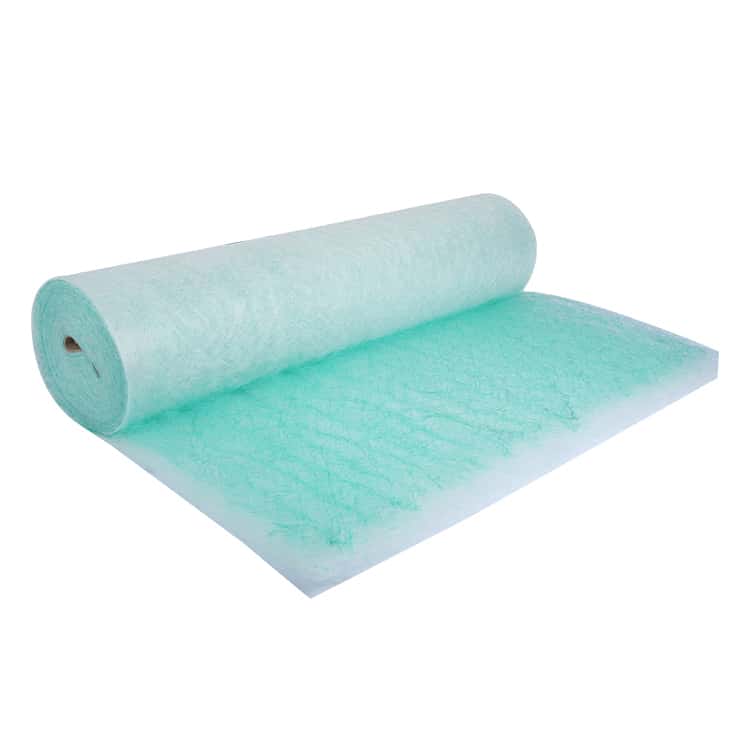
Clean Air: Using Paint Booth Filters Roll Effectively
Introduction
Maintaining a clean and healthy work environment is paramount for any industry, especially those involving hazardous substances like paint. Paint booths are essential for controlling paint overspray and ensuring the safety of workers and the surrounding environment. Paint booth filters play a crucial role in this process by capturing harmful particles and ensuring clean air quality. This article will provide a comprehensive guide on using paint booth filters effectively to achieve optimal performance and maintain a safe working environment.
Understanding Paint Booth Filters
Paint booth filters are designed to trap and remove paint particles, dust, and other contaminants from the air. They are typically made of a porous material, such as fiberglass or cellulose, that allows air to pass through while capturing the particles. The efficiency of a filter is measured by its MERV (Minimum Efficiency Reporting Value) rating, which indicates the percentage of particles of a certain size that the filter can capture.
Types of Paint Booth Filters
There are various types of paint booth filters available, each with its unique characteristics and applications:
- Disposable Filters: These filters are designed for single-use and are typically made of fiberglass or cellulose. They are inexpensive and easy to replace but have a lower MERV rating.
- Reusable Filters: These filters are made of a more durable material, such as polyester or nylon, and can be cleaned and reused multiple times. They have a higher MERV rating than disposable filters but require regular maintenance.
- HEPA Filters: HEPA (High-Efficiency Particulate Air) filters are the most efficient type of paint booth filter and can capture up to 99.97% of particles 0.3 microns or larger. They are essential for applications where the highest level of air quality is required.
Choosing the Right Filter
Selecting the appropriate paint booth filter depends on several factors, including:
- Paint Type: Different types of paint produce different amounts of overspray and require filters with varying MERV ratings.
- Booth Size: The size of the paint booth determines the airflow rate and the required filter capacity.
- Airflow Requirements: The airflow rate through the booth should be sufficient to capture and remove contaminants effectively.
- Safety Regulations: Some industries and applications have specific regulations regarding the MERV rating of paint booth filters.
Proper Installation and Maintenance
To ensure optimal performance, paint booth filters must be installed and maintained correctly:
- Installation: Filters should be installed according to the manufacturer’s instructions, ensuring a tight seal to prevent air leakage.
- Replacement: Disposable filters should be replaced regularly, typically every 3-6 months, or as recommended by the manufacturer.
- Cleaning: Reusable filters should be cleaned regularly, using compressed air or a vacuum cleaner, to remove accumulated dust and debris.
- Inspection: Filters should be inspected regularly for any damage or tears that could compromise their efficiency.
Benefits of Using Paint Booth Filters
Effectively using paint booth filters provides numerous benefits:
- Improved Air Quality: Filters remove harmful particles from the air, creating a healthier and safer work environment for employees.
- Reduced Health Risks: Exposure to paint overspray can lead to respiratory problems, skin irritation, and other health issues. Filters mitigate these risks by capturing and removing contaminants.
- Increased Productivity: Clean air promotes employee well-being and reduces absenteeism, leading to increased productivity.
- Compliance with Regulations: Many industries have regulations regarding air quality and the use of paint booth filters. Using filters ensures compliance and avoids potential fines or penalties.
- Environmental Protection: Filters prevent paint overspray from being released into the environment, protecting air and water quality.
Conclusion
Paint booth filters are essential for maintaining clean air quality in paint booths, ensuring the health and safety of workers and the surrounding environment. By understanding the different types of filters, choosing the right one for your application, and installing and maintaining them properly, you can maximize their effectiveness and reap the numerous benefits they offer. Investing in high-quality paint booth filters is an investment in a healthier, more productive, and environmentally friendly workplace.
Post a Comment for "Clean Air: Using Paint Booth Filters Roll Effectively"