Mastering the Spray: Choosing the Right Paint Spray Cap for Your Project

Navigating the world of paint spray caps can feel like deciphering ancient hieroglyphics. With a dizzying array of shapes, sizes, and materials, selecting the right cap for your project can seem daunting. But fear not, intrepid painter! This comprehensive guide will equip you with the knowledge to choose the perfect spray cap, ensuring a smooth, professional finish for every project.
Understanding the Basics: Spray Cap Anatomy
Before we dive into the specifics, let’s familiarize ourselves with the fundamental components of a spray cap:
- Fluid Nozzle: This is the heart of the spray cap, responsible for controlling the paint flow and atomization. It’s often made of stainless steel or brass for durability and corrosion resistance.
- Air Cap: Situated around the fluid nozzle, the air cap directs and mixes the air with the paint, influencing the spray pattern and atomization quality.
- Needle: This internal component precisely regulates the paint flow through the nozzle.
- Tip: The tip, often interchangeable, determines the size and shape of the paint spray pattern.
- Body: The body houses the other components and connects to the spray gun.
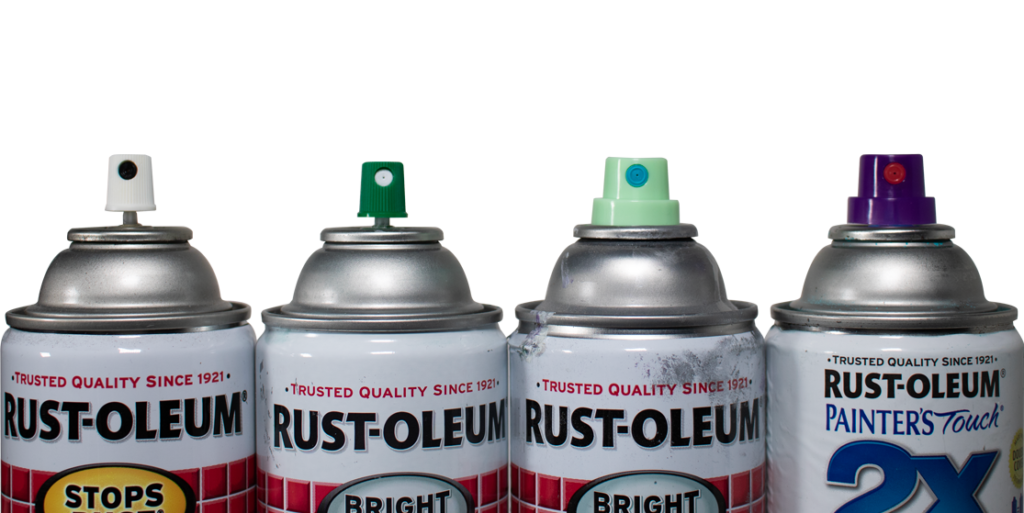
Spray Cap Types: A Comprehensive Guide
Now, let’s explore the various types of spray caps and their applications:
1. Round Pattern Caps:
- Standard Round: This ubiquitous cap produces a circular spray pattern, ideal for general painting tasks, priming, and applying base coats. They are available in various fan widths, ranging from 6" to 12", catering to different project scales.
- High-Volume, Low-Pressure (HVLP) Round: Designed for efficiency and reduced overspray, HVLP round caps deliver a wider, softer spray pattern with minimal air pressure. They are popular for automotive painting and fine finishing work.
- Fan-Shaped Round: These caps produce a wider, elliptical spray pattern, useful for covering large areas quickly. They are often employed for painting walls, ceilings, and furniture.

2. Flat Pattern Caps:
- Flat Fan: Generating a rectangular spray pattern, flat fan caps are perfect for applying even coats on flat surfaces like walls, ceilings, and doors. They are available in various fan widths, allowing for precise control over coverage.
- Adjustable Flat Fan: These versatile caps allow you to adjust the spray pattern’s width and shape, making them suitable for both large and intricate surfaces. They are commonly used for painting furniture, trim, and cabinetry.
- Wide Flat Fan: Designed for high-speed application, wide flat fan caps excel at covering vast areas quickly and efficiently. They are often used for painting large walls and ceilings.
3. Special Purpose Caps:
- Detail Caps: These finely tuned caps produce a narrow, precise spray pattern, ideal for intricate details, touch-ups, and delicate work. They are often used for painting trim, moldings, and furniture.
- Texture Caps: Offering a variety of textures, these caps are used to create unique finishes like orange peel, sand, and stipple. They are commonly employed in automotive painting and decorative applications.
- Airless Caps: Used in conjunction with airless sprayers, these caps provide a high-pressure, high-volume spray, ideal for applying heavy-bodied materials like latex paint and coatings.
Choosing the Right Spray Cap: A Step-by-Step Approach
Now that you’re acquainted with the different spray cap types, let’s delve into the factors influencing your choice:
1. The Project:
- Surface Area: For large areas like walls and ceilings, opt for wide flat fan or fan-shaped round caps. For smaller areas, standard round or detail caps are suitable.
- Surface Type: Flat surfaces benefit from flat fan caps, while textured surfaces might require special texture caps or adjustable flat fan caps.
- Material: The viscosity of the paint or coating will influence the spray cap choice. High-viscosity materials require caps with larger fluid nozzles and higher air pressure.
2. The Spray Gun:
- Type: Different spray gun models have specific cap requirements. Refer to the manufacturer’s guidelines or consult a knowledgeable expert.
- Air Pressure: The recommended air pressure for your spray gun will influence the spray cap selection. Higher air pressure requires caps with smaller fluid nozzles and higher flow rates.
3. The Desired Finish:
- Smoothness: For a smooth, even finish, choose caps with fine atomization and a controlled spray pattern.
- Texture: If you’re aiming for a textured finish, select caps designed for that purpose.
- Coverage: Consider the desired coverage rate when choosing the fan width and air pressure.
4. Your Experience Level:
- Beginner: Start with standard round caps or adjustable flat fan caps, which offer a forgiving spray pattern.
- Intermediate: Explore specialized caps like HVLP round or detail caps for more intricate work.
- Advanced: You can experiment with various caps to achieve specific finishes and effects.
Spray Cap Maintenance: Keeping Your Caps in Top Shape
Proper maintenance ensures your spray caps perform optimally and last longer. Here are some essential tips:
- Clean Regularly: After each use, thoroughly clean your spray cap with a suitable solvent. Follow the manufacturer’s cleaning instructions.
- Store Properly: Store your caps in a clean, dry place to prevent rust and damage.
- Replace When Necessary: Worn or damaged caps can affect spray pattern and finish quality. Replace them promptly to maintain optimal performance.
Conclusion: Mastering the Art of Spray Cap Selection
Choosing the right spray cap is crucial for achieving professional-looking results with your painting projects. By understanding the various types, factors influencing your choice, and proper maintenance practices, you’ll be equipped to select the perfect spray cap for any task. Remember, a little research and experimentation will go a long way in mastering the art of spray painting. Happy spraying!

Mastering the Spray: Choosing the Right Paint Spray Cap for Your Project
Post a Comment for "Choosing The Right Paint Spray Cap For Your Project"