Capturing the Power of the Ocean: A Guide to Painting Waves

Table of Content
- 1 Capturing the Power of the Ocean: A Guide to Painting Waves
- 1.1 Understanding the Anatomy of a Wave
- 1.2 Exploring Different Wave Types
- 1.3 Choosing the Right Medium and Techniques
- 1.4 Mastering the Art of Composition
- 1.5 Capturing Light and Shadow
- 1.6 Depicting Movement and Energy
- 1.7 Adding Depth and Perspective
- 1.8 Incorporating Additional Elements
- 1.9 Styles and Approaches to Wave Painting
- 1.10 Famous Wave Paintings: Inspiration and Analysis
- 1.11 Conclusion: Unleashing Your Inner Seascape Artist
The ocean, a vast and ever-changing expanse, holds a captivating allure for artists. Its dynamic energy, constantly shifting tides, and breathtaking beauty provide an endless source of inspiration. Among the many subjects that artists choose to depict, waves stand out as a particularly challenging and rewarding subject. Painting waves effectively requires not only technical skill but also a deep understanding of their form, movement, and the subtle interplay of light and shadow.
This comprehensive guide delves into the art of painting waves, offering insights into techniques, styles, and the artistic considerations that can elevate your seascapes.
Understanding the Anatomy of a Wave
Before embarking on the artistic journey of capturing waves, it’s essential to understand their fundamental structure and dynamics. Waves are not simply a mass of water crashing against the shore; they are complex phenomena driven by wind, gravity, and the ocean’s depths.
- Crest: The highest point of a wave, often characterized by a breaking or foaming peak.
- Trough: The lowest point between two crests.
- Wavelength: The horizontal distance between two consecutive crests or troughs.
- Wave Height: The vertical distance between the crest and the trough.
- Wave Period: The time it takes for two consecutive crests to pass a fixed point.

These elements work together to create the mesmerizing dance of waves, and understanding their interplay is crucial for depicting their movement and energy on canvas.
Exploring Different Wave Types
The ocean’s vastness and diverse conditions give rise to various wave types, each with its unique characteristics and aesthetic qualities.
- Swell Waves: These long, rolling waves are generated by distant storms and travel long distances with minimal energy loss. They typically have a smooth, rounded profile and are often depicted as graceful, sweeping lines.
- Wind Waves: Formed by wind directly blowing over the water’s surface, these waves are shorter and choppier than swell waves. They are characterized by irregular crests and troughs, and their movement is often chaotic and unpredictable.
- Breaking Waves: When waves approach the shore and encounter shallower water, their speed slows down, and their height increases. Eventually, the wave becomes unstable and breaks, creating a dramatic spectacle of foam and spray.
- Tsunamis: These massive waves are generated by underwater earthquakes or volcanic eruptions. They are characterized by their immense size and destructive power, and their depiction often requires a sense of awe and scale.


Choosing the Right Medium and Techniques
The choice of medium and technique can significantly impact the final outcome of your wave painting. Each medium offers unique advantages and challenges, allowing you to express your artistic vision in different ways.
Oil Painting:
- Advantages: Rich colors, blending capabilities, and a forgiving nature that allows for layering and adjustments.
- Techniques: Impasto, glazing, and scumbling can be employed to create texture, depth, and movement.
Acrylic Painting:
- Advantages: Quick drying time, vibrant colors, and versatility for various techniques.
- Techniques: Layering, blending, and impasto can be used to capture the dynamism of waves.
Watercolor Painting:
- Advantages: Transparency, fluidity, and ability to capture the ethereal quality of water.
- Techniques: Wet-on-wet, dry-brush, and masking techniques can be employed to create the illusion of movement and depth.
Other Mediums:
- Gouache: A water-based opaque paint, gouache offers a balance between watercolor’s transparency and acrylic’s opacity, making it ideal for capturing the subtle nuances of light and shadow on water.
- Pastel: Soft, powdery pastels allow for a unique textural quality, capturing the fleeting nature of waves and their interaction with light.
Mastering the Art of Composition
Effective composition is key to creating a compelling wave painting. It involves carefully arranging the elements within the frame to create visual interest, balance, and a sense of depth.
- Rule of Thirds: Divide your canvas into thirds both horizontally and vertically, placing key elements along the intersecting lines to create a more dynamic and engaging composition.
- Leading Lines: Utilize the natural curves and lines of the waves to guide the viewer’s eye through the painting, creating a sense of movement and flow.
- Foreground, Midground, and Background: Establish a sense of depth by depicting elements in the foreground, midground, and background, creating a layered and immersive scene.
- Negative Space: Don’t be afraid to leave empty spaces within your composition. This can enhance the visual impact of the waves and create a sense of airiness and expansiveness.
Capturing Light and Shadow
Light plays a crucial role in shaping the appearance of waves, creating dramatic contrasts and enhancing their three-dimensionality.
- Direct Sunlight: Creates strong highlights and shadows, emphasizing the wave’s form and texture.
- Diffused Light: Softens the shadows and creates a more subtle and ethereal effect, highlighting the wave’s movement and fluidity.
- Reflected Light: Light reflected from the water’s surface can create shimmering highlights and add depth to the painting.
Depicting Movement and Energy
Capturing the dynamic energy of waves is perhaps the most challenging aspect of painting them. Various techniques can help you convey the sense of motion and flow.
- Brushstrokes: Use expressive brushstrokes to mimic the movement of the water, creating a sense of rhythm and energy.
- Color Blending: Blend colors to create a sense of depth and movement, suggesting the flow of water and the interplay of light and shadow.
- Foreground and Background: Depict the foreground waves with greater detail and energy, while softening the background waves to create a sense of depth and perspective.
- Foaming and Spray: Use white or light blue paint to depict the foam and spray created by breaking waves, adding a sense of dynamism and realism.
Adding Depth and Perspective
Creating a sense of depth is crucial for making your wave painting feel immersive and realistic.
- Atmospheric Perspective: Depict distant objects with fainter colors and less detail to create a sense of distance and atmosphere.
- Linear Perspective: Use converging lines to suggest depth and space.
- Overlapping Elements: Place objects in front of each other to create a sense of layering and depth.
Incorporating Additional Elements
Adding additional elements to your wave painting can enhance its narrative and create a more engaging scene.
- Boats: Depict a lone sailboat or a fishing vessel navigating the waves, adding a sense of scale and human interaction with the ocean.
- Seabirds: Include seagulls or other birds soaring above the waves, adding a sense of life and movement.
- Rocks and Coastline: Depict rocky outcroppings or a sandy shoreline, providing a sense of context and scale.
- Sky: Pay attention to the sky’s color and texture, as it plays a significant role in the overall mood and atmosphere of the painting.
Styles and Approaches to Wave Painting
While the fundamental principles of painting waves remain constant, different artists have developed unique styles and approaches that reflect their individual artistic vision.
- Impressionism: Impressionist painters, such as Claude Monet, used loose brushstrokes and vibrant colors to capture the fleeting beauty and movement of waves, emphasizing the interplay of light and shadow.
- Realism: Realist painters, such as Winslow Homer, sought to depict waves with meticulous detail and accuracy, emphasizing their physical form and structure.
- Abstract Expressionism: Abstract Expressionist painters, such as Jackson Pollock, used bold brushstrokes and expressive gestures to capture the raw energy and emotion of the ocean, often abstracting the forms of waves.
Famous Wave Paintings: Inspiration and Analysis
Studying the works of renowned wave painters can provide valuable insights into their techniques, style, and artistic vision.
- "The Wave" by Katsushika Hokusai: This iconic woodblock print captures the power and beauty of a giant wave crashing against Mount Fuji, using bold lines and dramatic composition to convey the wave’s immense energy.
- "The Gulf Stream" by Winslow Homer: This realist painting depicts a lone ship battling against a powerful wave, showcasing Homer’s mastery of detail and his ability to capture the drama of the sea.
- "Impression, Sunrise" by Claude Monet: While not solely focused on waves, this painting showcases Monet’s Impressionistic style, using brushstrokes and vibrant colors to capture the fleeting light and movement of the sea.
Conclusion: Unleashing Your Inner Seascape Artist
Painting waves is a challenging but rewarding artistic endeavor that requires technical skill, a keen eye for detail, and a deep appreciation for the beauty and power of the ocean. By understanding the anatomy of waves, experimenting with different mediums and techniques, and drawing inspiration from the works of masters, you can create captivating seascapes that capture the essence of this dynamic and awe-inspiring natural force.
Remember, the journey of painting waves is a personal one. Embrace your unique style and artistic vision, and let the ocean’s boundless beauty guide your brushstrokes.
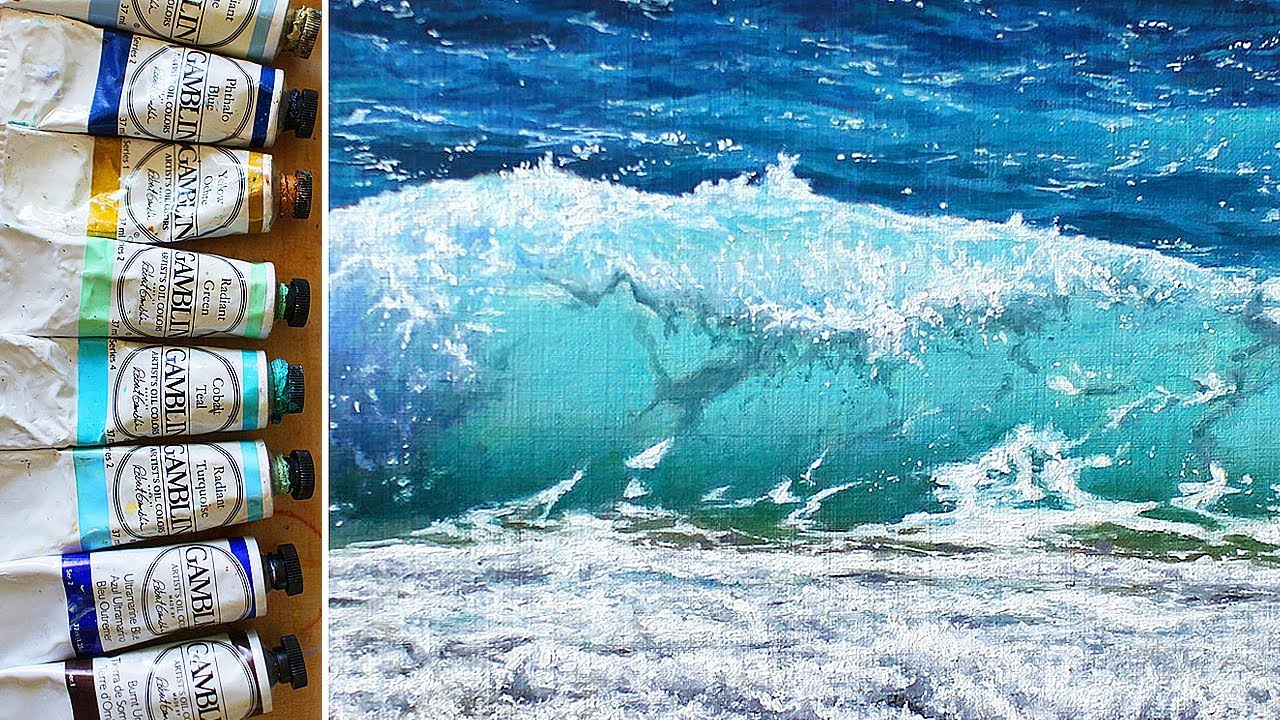
Capturing the Power of the Ocean: A Guide to Painting Waves
Post a Comment for "Oil Painting Of Waves: Capturing The Power Of The Ocean"