The Ultimate Guide to Durable RV Exterior Paint: Choosing the Right Protection for Your Home on Wheels

Table of Content
- 1 The Ultimate Guide to Durable RV Exterior Paint: Choosing the Right Protection for Your Home on Wheels
- 1.1 Understanding the Challenges of RV Exterior Paint
- 1.2 Key Considerations for Choosing RV Exterior Paint
- 1.3 Types of RV Exterior Paint: A Comprehensive Guide
- 1.4 Choosing the Right Paint for Your RV: A Decision Tree
- 1.5 Application Tips for Achieving a Durable Finish
- 1.6 Maintaining Your RV’s Exterior Paint
- 1.7 Conclusion: Protecting Your Investment with the Right Paint
Your RV is your home away from home, and its exterior is the first line of defense against the elements. Choosing the right paint can mean the difference between a beautiful, long-lasting finish and one that quickly succumbs to the wear and tear of travel. This guide will delve into the world of RV exterior paint, exploring the different types, their pros and cons, and how to choose the best option for your needs.
Understanding the Challenges of RV Exterior Paint
RV exteriors face unique challenges that demand specialized paint solutions. Unlike stationary homes, RVs are constantly exposed to:
- UV Radiation: Prolonged sun exposure can cause fading, cracking, and chalking, compromising the paint’s appearance and protective qualities.
- Weather Elements: Rain, snow, hail, and extreme temperatures can all take a toll on the paint, leading to damage and deterioration.
- Road Debris: Flying rocks, sand, and other debris can cause scratches and chips, compromising the paint’s integrity.
- Constant Vibration: The constant movement of an RV creates vibrations that can lead to paint cracking and peeling over time.
Key Considerations for Choosing RV Exterior Paint

Before diving into specific types, consider these key factors:
- Type of RV: The type of RV (motorhome, travel trailer, fifth wheel) influences the paint’s needs. For example, a motorhome that’s constantly on the road requires a more durable paint than a travel trailer that’s primarily used for seasonal camping.
- Desired Finish: Do you prefer a glossy, high-shine finish or a more matte, low-maintenance option? The finish affects both the appearance and the paint’s durability.
- Budget: Paint prices vary significantly, so it’s essential to determine a realistic budget before making a decision.
- DIY or Professional Application: Are you planning to paint your RV yourself or hire a professional? This influences the type of paint and the level of complexity you can handle.

Types of RV Exterior Paint: A Comprehensive Guide
1. Acrylic Paint:
- Pros:
- Affordable and widely available.
- Easy to apply and clean up.
- Offers good color retention and UV resistance.
- Cons:
- Not as durable as other options, especially in harsh environments.
- Can be susceptible to chipping and scratching.
- Requires regular maintenance and touch-ups.

2. Urethane Paint:
- Pros:
- Extremely durable and resistant to scratches, chips, and fading.
- Offers excellent protection against UV radiation, weather elements, and road debris.
- Available in a variety of finishes, including high-gloss and matte.
- Cons:
- More expensive than acrylic paint.
- Can be more challenging to apply, requiring specialized skills and equipment.
- Requires proper preparation and surface cleaning for optimal adhesion.
3. Enamel Paint:
- Pros:
- Offers a hard, durable finish that resists scratches and chips.
- Provides excellent weather resistance and UV protection.
- Available in a wide range of colors and finishes.
- Cons:
- Can be difficult to apply, requiring careful preparation and technique.
- May require specialized primers and thinners.
- Can be more expensive than acrylic paint.
4. Two-Part Polyurethane Paint:
- Pros:
- Offers the highest level of durability and protection against all elements.
- Excellent UV resistance, scratch resistance, and chemical resistance.
- Provides a long-lasting, high-gloss finish.
- Cons:
- Most expensive option.
- Requires a professional application due to its complex mixing and application process.
- May require specialized equipment and expertise.
5. Epoxy Paint:
- Pros:
- Extremely durable and resistant to chemicals, abrasion, and impact.
- Provides excellent adhesion to various surfaces, including fiberglass and aluminum.
- Offers excellent protection against moisture and corrosion.
- Cons:
- Can be difficult to apply, requiring specialized knowledge and equipment.
- May require a professional application.
- Limited color options compared to other types.
6. Silicone-Modified Acrylic Paint:
- Pros:
- Offers good durability and UV resistance.
- Provides excellent moisture and mildew resistance.
- Easy to apply and clean up.
- Cons:
- Not as durable as urethane or epoxy paint.
- May not be suitable for extreme environments.
7. Ceramic Coating:
- Pros:
- Provides a hard, protective layer that resists scratches, chips, and UV damage.
- Offers excellent water repellency and self-cleaning properties.
- Can enhance the paint’s gloss and shine.
- Cons:
- Requires professional application.
- Can be expensive.
- May require regular maintenance to maintain its effectiveness.
Choosing the Right Paint for Your RV: A Decision Tree
1. Determine Your Budget:
- Limited Budget: Acrylic paint is a cost-effective option that offers decent durability.
- Moderate Budget: Urethane or enamel paint provides a balance of durability and affordability.
- High Budget: Two-part polyurethane or epoxy paint offer the highest level of protection and longevity.
2. Consider Your RV’s Usage:
- Frequent Travel: Choose a durable paint like urethane, epoxy, or two-part polyurethane to withstand the rigors of constant road travel.
- Seasonal Camping: Acrylic or silicone-modified acrylic paint may be sufficient for occasional use.
- Extreme Environments: Opt for the most durable options like two-part polyurethane or epoxy paint to protect your RV from harsh weather conditions.
3. Assess Your DIY Skills:
- Experienced DIYer: Acrylic, silicone-modified acrylic, or urethane paint can be applied with proper preparation and technique.
- Beginner DIYer: Acrylic paint is the easiest to apply, while urethane paint may require more expertise.
- Professional Application: For complex paints like two-part polyurethane or epoxy, it’s best to hire a professional for optimal results.
4. Desired Finish:
- High-Gloss Finish: Urethane, enamel, or two-part polyurethane paint provide a glossy, high-shine look.
- Matte Finish: Urethane or enamel paint offer matte options for a more understated appearance.
Application Tips for Achieving a Durable Finish
- Proper Preparation: Thoroughly clean and prepare the surface by removing dirt, grease, and any previous coatings.
- Priming: Apply a primer compatible with the chosen paint to create a smooth, even surface for adhesion.
- Thinning: Thin the paint according to the manufacturer’s instructions to achieve the desired consistency.
- Multiple Coats: Apply multiple thin coats for optimal coverage and durability.
- Drying Time: Allow each coat to dry completely before applying the next.
- Curing Time: Allow the paint to cure fully according to the manufacturer’s recommendations before exposing it to harsh weather conditions.
Maintaining Your RV’s Exterior Paint
- Regular Cleaning: Wash your RV regularly with a gentle cleaner and soft cloth to remove dirt, grime, and road debris.
- Waxing: Apply a carnauba wax or sealant to protect the paint from UV damage and weather elements.
- Touch-Ups: Address any scratches or chips promptly to prevent rust or further damage.
- Professional Detailing: Consider having your RV professionally detailed every few years to restore its shine and protect the paint.
Conclusion: Protecting Your Investment with the Right Paint
Choosing the right RV exterior paint is crucial for maintaining your RV’s value, appearance, and longevity. By considering your budget, usage, DIY skills, and desired finish, you can make an informed decision that will provide the best protection for your home on wheels. Remember, proper preparation, application, and maintenance are key to achieving a durable and long-lasting finish.
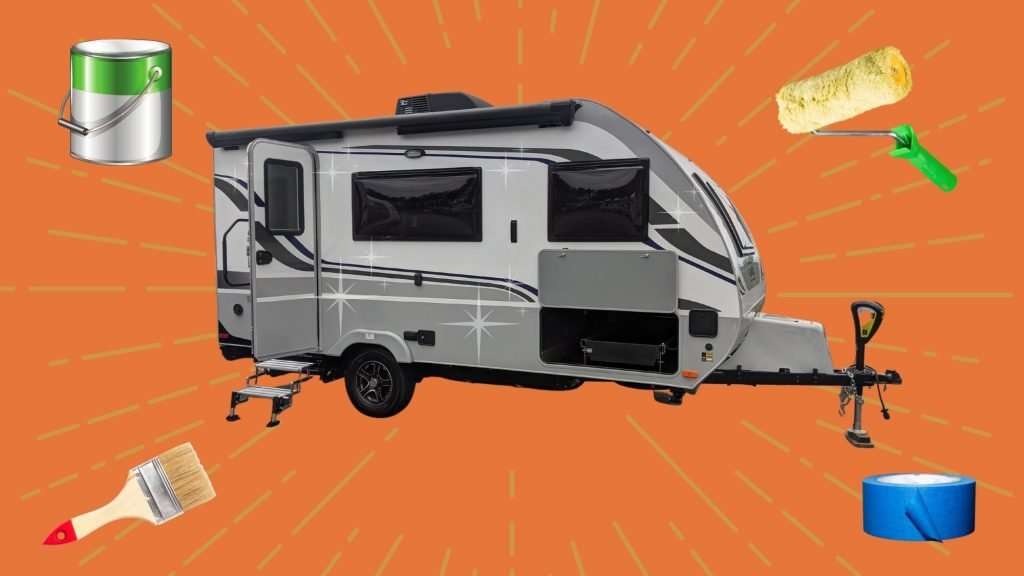
The Ultimate Guide to Durable RV Exterior Paint: Choosing the Right Protection for Your Home on Wheels
Post a Comment for "Durable Paint Choices For RV Exteriors"