Unleashing the Power of Paint Bonding Agents: Achieving Long-Lasting Results

Table of Content
Paint bonding agents, often referred to as adhesion promoters, are essential tools for achieving durable and long-lasting paint finishes. They act as a bridge between the paint and the substrate, creating a strong bond that resists peeling, cracking, and premature failure. This article delves into the intricacies of paint bonding agents, exploring their diverse applications, benefits, and how to choose the right product for your specific needs.
Understanding the Importance of Adhesion
Adhesion is the force that holds two surfaces together. In the context of painting, it refers to the bond between the paint film and the substrate, whether it’s wood, metal, concrete, or any other surface. Poor adhesion can lead to:
- Peeling and Flaking: Paint can detach from the surface, leaving behind unsightly blemishes.
- Cracking and Blistering: Stress on the paint film, caused by temperature fluctuations or movement of the substrate, can lead to cracking and blistering.
- Premature Failure: The paint finish deteriorates faster than expected, requiring frequent repainting.
The Role of Paint Bonding Agents
Paint bonding agents work by creating a microscopic layer that enhances the surface’s receptivity to the paint. They achieve this through various mechanisms:
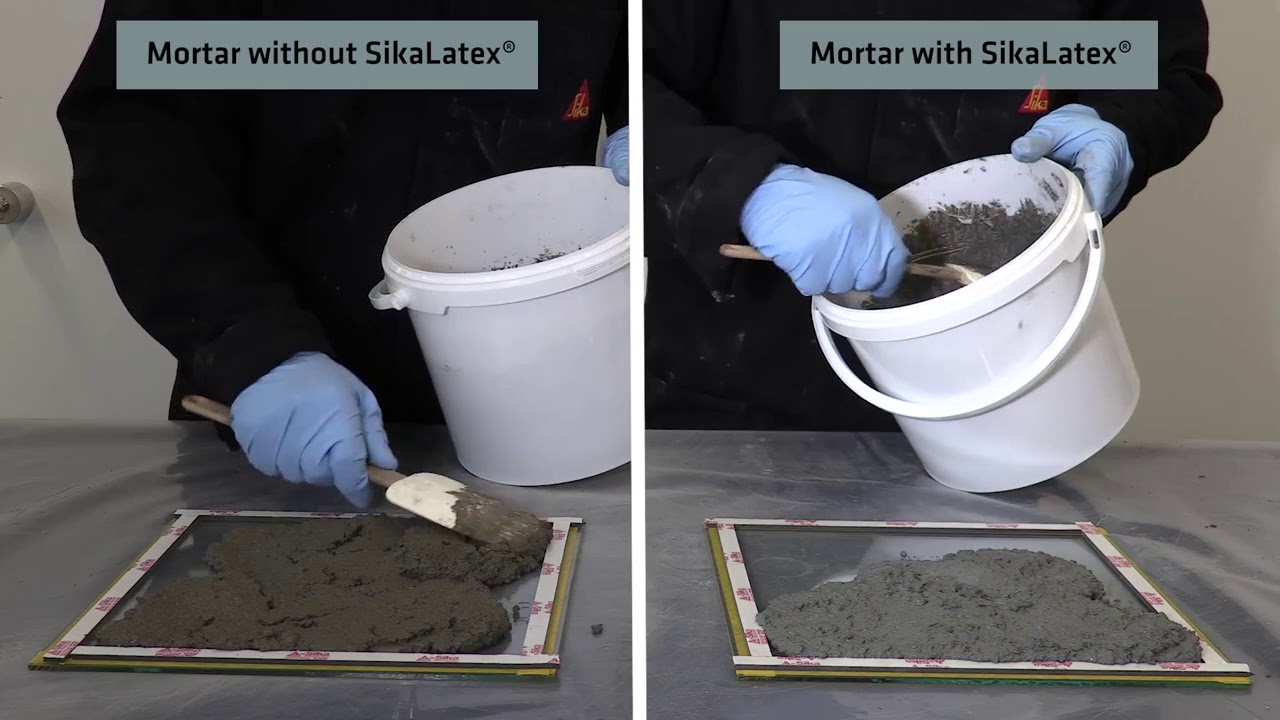
- Surface Cleaning and Preparation: Bonding agents often contain cleaning agents that remove dirt, grease, and contaminants, ensuring a clean and receptive surface for the paint.
- Roughening the Surface: Some bonding agents create a microscopically rough surface, increasing the surface area for the paint to adhere to.
- Chemical Bonding: Certain bonding agents chemically react with the substrate, forming a strong bond that resists environmental factors.
Types of Paint Bonding Agents
Paint bonding agents are available in various formulations, each tailored to specific substrates and applications:
1. Acrylic Bonding Agents: These are water-based and suitable for a wide range of surfaces, including wood, metal, concrete, and plaster. They offer good adhesion and durability, and are often used for interior and exterior applications.
2. Epoxy Bonding Agents: Known for their exceptional strength and resistance to chemicals, epoxy bonding agents are ideal for high-performance applications, such as industrial flooring, marine coatings, and structural repairs.
3. Polyurethane Bonding Agents: These agents offer excellent flexibility and moisture resistance, making them suitable for surfaces prone to movement, such as wood and concrete. They are often used for exterior applications and wood coatings.

4. Primer-Sealers: These combine the functions of a primer and a sealer, providing both adhesion and a barrier against moisture and stains. They are often used on porous surfaces, such as concrete and drywall.
5. Specialty Bonding Agents: For specific applications, such as bonding paint to glass, plastic, or ceramic surfaces, specialized bonding agents are available. These formulations are designed to overcome the challenges posed by these unique materials.
Benefits of Using Paint Bonding Agents
- Improved Adhesion: The primary benefit of using a bonding agent is the enhanced adhesion between the paint and the substrate. This leads to a more durable and long-lasting paint finish.
- Increased Durability: A strong bond protects the paint from cracking, peeling, and blistering, extending its lifespan.
- Reduced Maintenance Costs: By preventing premature paint failure, bonding agents can reduce the frequency of repainting, saving time and money.
- Enhanced Appearance: A well-adhered paint finish provides a smooth, even surface that enhances the overall appearance of the project.
- Protection Against Moisture: Some bonding agents act as a barrier against moisture, protecting the substrate from water damage.
Choosing the Right Bonding Agent
Selecting the appropriate bonding agent is crucial for achieving optimal results. Consider the following factors:
- Substrate Type: The type of surface being painted will determine the most suitable bonding agent.
- Application: The intended use of the paint will influence the choice of bonding agent. For example, a bonding agent for exterior applications should be resistant to weather conditions.
- Environmental Factors: The climate and other environmental factors can affect the performance of the bonding agent.
- Manufacturer’s Recommendations: Always consult the manufacturer’s recommendations for the specific paint and substrate you are using.
Application Techniques
Applying a bonding agent is relatively straightforward. Follow these general guidelines:
- Surface Preparation: Proper surface preparation is essential for optimal adhesion. Clean the surface thoroughly, removing dirt, grease, and contaminants.
- Apply the Bonding Agent: Use a brush, roller, or spray gun to apply the bonding agent according to the manufacturer’s instructions.
- Drying Time: Allow the bonding agent to dry completely before applying the paint. Drying times vary depending on the type of bonding agent and environmental conditions.
- Paint Application: Apply the paint using the appropriate techniques for the chosen product.
Case Studies: Real-World Examples
1. Restoring a Historic Building: A historic building in a coastal area was suffering from severe paint peeling due to the harsh environment. By applying a specialized epoxy bonding agent, the restoration team achieved a durable and long-lasting paint finish that protected the building from the elements.
2. Industrial Flooring: An industrial facility required a durable and chemical-resistant floor coating. A two-part epoxy bonding agent was used to create a strong bond between the concrete floor and the epoxy coating, resulting in a highly durable and long-lasting floor.
3. Wood Deck Restoration: A weathered wood deck was in need of a fresh coat of paint. A polyurethane bonding agent was applied to improve adhesion and provide moisture resistance, ensuring a long-lasting finish.
Conclusion
Paint bonding agents are invaluable tools for achieving durable and long-lasting paint finishes. By understanding their mechanisms, benefits, and application techniques, you can choose the right product for your specific needs and ensure a successful project. Whether you are a professional painter or a homeowner tackling a DIY project, incorporating paint bonding agents into your process can make a significant difference in the longevity and quality of your paint finishes.
FAQs
1. Can I use paint bonding agent on all surfaces?
While paint bonding agents are versatile, they are not suitable for all surfaces. Consult the manufacturer’s recommendations for the specific bonding agent and substrate you are using.
2. How long does it take for a bonding agent to dry?
Drying times vary depending on the type of bonding agent and environmental conditions. Consult the manufacturer’s instructions for specific drying times.
3. Can I apply paint directly over a bonding agent?
Yes, but it’s essential to allow the bonding agent to dry completely before applying the paint.
4. Are paint bonding agents expensive?
The cost of paint bonding agents varies depending on the type and quantity. However, they are a relatively inexpensive investment compared to the cost of repainting.
5. Is it necessary to use a bonding agent for all paint jobs?
While not always necessary, using a bonding agent can significantly improve the durability and longevity of the paint finish, especially on challenging surfaces or in harsh environments.
Key Takeaways
- Paint bonding agents are essential for achieving durable and long-lasting paint finishes.
- They enhance adhesion, increase durability, and reduce maintenance costs.
- Choose the right bonding agent based on the substrate type, application, and environmental factors.
- Proper application techniques are crucial for optimal results.
By incorporating paint bonding agents into your painting process, you can unlock the potential for long-lasting, beautiful, and durable finishes that will stand the test of time.
Our Form: Enhancing Paint Adhesion with Bonding Agents: A Comprehensive Guide
Introduction
In the realm of painting, achieving a lasting and aesthetically pleasing finish hinges on a fundamental principle: adhesion. This crucial aspect dictates the bond between the paint film and the substrate, determining the durability and longevity of the final outcome. To elevate your painting projects to new heights of resilience and aesthetic excellence, understanding the role of paint bonding agents is paramount. This comprehensive guide delves into the intricacies of paint bonding agents, providing insights into their mechanisms, diverse applications, and the selection of the ideal agent for your specific needs.
The Essence of Adhesion
Adhesion, the force that binds two surfaces together, plays a pivotal role in the success of any painting project. A robust adhesive bond ensures that the paint film remains securely attached to the substrate, resisting the relentless forces of time, weather, and environmental factors. Conversely, inadequate adhesion can lead to a myriad of issues:
- Peeling and Flaking: The paint film detaches from the substrate, leaving behind unsightly blemishes and compromising the integrity of the finish.
- Cracking and Blistering: Temperature fluctuations and substrate movement can induce stress on the paint film, leading to cracking and blistering, further diminishing the visual appeal and durability of the painted surface.
- Premature Failure: The paint finish deteriorates prematurely, requiring frequent repainting and incurring significant costs in terms of time, effort, and materials.
Paint Bonding Agents: The Adhesion Enhancers
Paint bonding agents, also known as adhesion promoters, are specialized formulations designed to bridge the gap between the paint and the substrate, creating a robust bond that withstands the test of time. They achieve this remarkable feat through a combination of mechanisms:
- Surface Cleaning and Preparation: Many bonding agents contain cleaning agents that effectively remove dirt, grease, and other contaminants from the substrate, ensuring a clean and receptive surface for the paint. This meticulous cleaning process lays the foundation for a strong and lasting bond.
- Surface Roughening: Certain bonding agents create a microscopically rough surface, increasing the surface area available for the paint to adhere to. This increased surface area enhances the mechanical interlocking between the paint film and the substrate, contributing to greater adhesion strength.
- Chemical Bonding: Some bonding agents chemically react with the substrate, forming a strong bond that resists the detrimental effects of environmental factors. This chemical interaction creates a durable and lasting link between the paint and the substrate, ensuring a resilient and long-lasting finish.
Navigating the Diverse Landscape of Bonding Agents
The world of paint bonding agents offers a diverse array of formulations, each meticulously engineered to address specific substrates and applications. Understanding the characteristics of each type is essential for selecting the optimal agent for your project:
1. Acrylic Bonding Agents: This versatile group of bonding agents is water-based, making them suitable for a wide range of surfaces, including wood, metal, concrete, and plaster. Their excellent adhesion properties and durability make them a popular choice for both interior and exterior applications.
2. Epoxy Bonding Agents: Renowned for their exceptional strength and resistance to chemicals, epoxy bonding agents are ideal for demanding applications, such as industrial flooring, marine coatings, and structural repairs. Their robust nature ensures long-lasting performance in challenging environments.
3. Polyurethane Bonding Agents: Polyurethane bonding agents offer an exceptional combination of flexibility and moisture resistance, making them suitable for surfaces prone to movement, such as wood and concrete. Their ability to accommodate movement and resist moisture makes them particularly well-suited for exterior applications and wood coatings.
4. Primer-Sealers: These versatile formulations combine the functions of a primer and a sealer, providing both adhesion enhancement and a barrier against moisture and stains. They are often employed on porous surfaces, such as concrete and drywall, to create a stable and receptive surface for the paint.
5. Specialty Bonding Agents: For specific applications involving challenging substrates, such as glass, plastic, or ceramic, specialized bonding agents are available. These formulations are meticulously engineered to overcome the unique challenges posed by these materials, ensuring a successful and durable paint finish.
The Tangible Benefits of Employing Bonding Agents
The incorporation of paint bonding agents into your painting process yields a multitude of benefits, enhancing both the aesthetic appeal and the longevity of your project:
- Improved Adhesion: The primary benefit of utilizing a bonding agent is the significant improvement in adhesion between the paint and the substrate. This enhanced bond translates into a more durable and long-lasting paint finish, resisting the forces of time and environmental factors.
- Increased Durability: A robust adhesive bond shields the paint from cracking, peeling, and blistering, extending its lifespan and reducing the need for frequent repainting.
- Reduced Maintenance Costs: By preventing premature paint failure, bonding agents contribute to significant cost savings in the long run, as they reduce the frequency of repainting, saving time, effort, and materials.
- Enhanced Appearance: A well-adhered paint finish creates a smooth, even surface, enhancing the overall appearance of the project and showcasing the beauty of the paint colors.
- Protection Against Moisture: Certain bonding agents act as a barrier against moisture, safeguarding the substrate from water damage and preserving its integrity.
Selecting the Ideal Bonding Agent: A Guided Journey
Choosing the appropriate bonding agent is a crucial step in ensuring optimal results. Consider these factors when making your selection:
- Substrate Type: The nature of the surface being painted is a primary determinant of the most suitable bonding agent. Different substrates, such as wood, metal, concrete, or plaster, require specific formulations to achieve optimal adhesion.
- Application: The intended use of the paint will influence the choice of bonding agent. For example, a bonding agent for exterior applications should be resistant to weather conditions, while an agent for interior applications may prioritize durability and aesthetic appeal.
- Environmental Factors: The climate and other environmental factors can significantly impact the performance of the bonding agent. Factors such as temperature, humidity, and exposure to UV radiation should be taken into consideration.
- Manufacturer’s Recommendations: Always consult the manufacturer’s recommendations for the specific paint and substrate you are using. The manufacturer’s guidelines provide valuable insights into the compatibility of the bonding agent with your chosen paint and substrate, ensuring optimal results.
Mastering the Art of Bonding Agent Application
Applying a bonding agent is a relatively straightforward process, but meticulous attention to detail is essential for achieving optimal results. Follow these general guidelines:
- Surface Preparation: Proper surface preparation is the cornerstone of successful adhesion. Thoroughly clean the surface, removing dirt, grease, and any contaminants that may hinder the formation of a strong bond. This meticulous preparation ensures a clean and receptive surface for the bonding agent.
- Application of the Bonding Agent: Use a brush, roller, or spray gun to apply the bonding agent according to the manufacturer’s instructions. The chosen application method should ensure even and consistent coverage of the substrate.
- Drying Time: Allow the bonding agent to dry completely before applying the paint. Drying times vary depending on the type of bonding agent and environmental conditions. Consult the manufacturer’s instructions for specific drying times to ensure optimal results.
- Paint Application: Once the bonding agent has dried thoroughly, apply the paint using the appropriate techniques for the chosen product. Follow the manufacturer’s recommendations for the paint application process, ensuring even and consistent coverage.
Real-World Examples: Illustrating the Power of Bonding Agents
- Restoring a Historic Building: A historic building in a coastal area faced the relentless challenges of a harsh environment, resulting in severe paint peeling. By applying a specialized epoxy bonding agent, the restoration team achieved a durable and long-lasting paint finish that effectively protected the building from the elements. This successful application showcases the ability of bonding agents to overcome environmental challenges and preserve the integrity of historical structures.
- Industrial Flooring: An industrial facility required a durable and chemical-resistant floor coating to withstand the rigors of heavy machinery and harsh chemicals. A two-part epoxy bonding agent was chosen to create a strong bond between the concrete floor and the epoxy coating, resulting in a highly durable and long-lasting floor that met the demanding requirements of the industrial setting.
- Wood Deck Restoration: A weathered wood deck in need of a fresh coat of paint benefited from the application of a polyurethane bonding agent. This agent effectively improved adhesion and provided moisture resistance, ensuring a long-lasting finish that revitalized the deck and protected it from the elements.
Conclusion: Unleashing the Power of Adhesion
Paint bonding agents are indispensable tools for achieving durable and long-lasting paint finishes, transforming ordinary painting projects into feats of aesthetic excellence and resilience. By understanding their mechanisms, benefits, and application techniques, you can confidently select the ideal bonding agent for your specific needs and ensure a successful outcome. Whether you are a seasoned professional or a home DIY enthusiast, incorporating paint bonding agents into your painting process can unlock the potential for long-lasting, beautiful, and durable finishes that will stand the test of time.
FAQs: Addressing Common Queries
1. Can I use paint bonding agent on all surfaces?
While paint bonding agents are versatile, they are not universally applicable. Consult the manufacturer’s recommendations for the specific bonding agent and substrate you are using to ensure compatibility and optimal results.
2. How long does it take for a bonding agent to dry?
Drying times vary depending on the type of bonding agent and environmental conditions. Consult the manufacturer’s instructions for specific drying times to ensure complete drying before applying the paint.
3. Can I apply paint directly over a bonding agent?
Yes, but it’s essential to allow the bonding agent to dry completely before applying the paint. Premature paint application can compromise the bond and lead to adhesion issues.
4. Are paint bonding agents expensive?
The cost of paint bonding agents varies depending on the type and quantity. However, they are a relatively inexpensive investment compared to the cost of repainting, especially when considering the long-term durability and cost savings they provide.
5. Is it necessary to use a bonding agent for all paint jobs?
While not always mandatory, using a bonding agent can significantly improve the durability and longevity of the paint finish, especially on challenging surfaces or in harsh environments. For optimal results and peace of mind, consider incorporating a bonding agent into your painting process.
Key Takeaways: Embracing Adhesion for Lasting Beauty
- Paint bonding agents are essential for achieving durable and long-lasting paint finishes, transforming ordinary projects into feats of resilience and aesthetic excellence.
- They enhance adhesion, increase durability, and reduce maintenance costs, making them a valuable investment for any painting project.
- Choosing the right bonding agent based on the substrate type, application, and environmental factors is crucial for optimal results.
- Proper application techniques are essential for ensuring a strong and lasting bond between the paint and the substrate.
By incorporating paint bonding agents into your painting process, you can unlock the potential for long-lasting, beautiful, and durable finishes that will stand the test of time.

Unleashing the Power of Paint Bonding Agents: Achieving Long-Lasting Results
Post a Comment for "Using A Paint Bonding Agent For Long-Lasting Results"