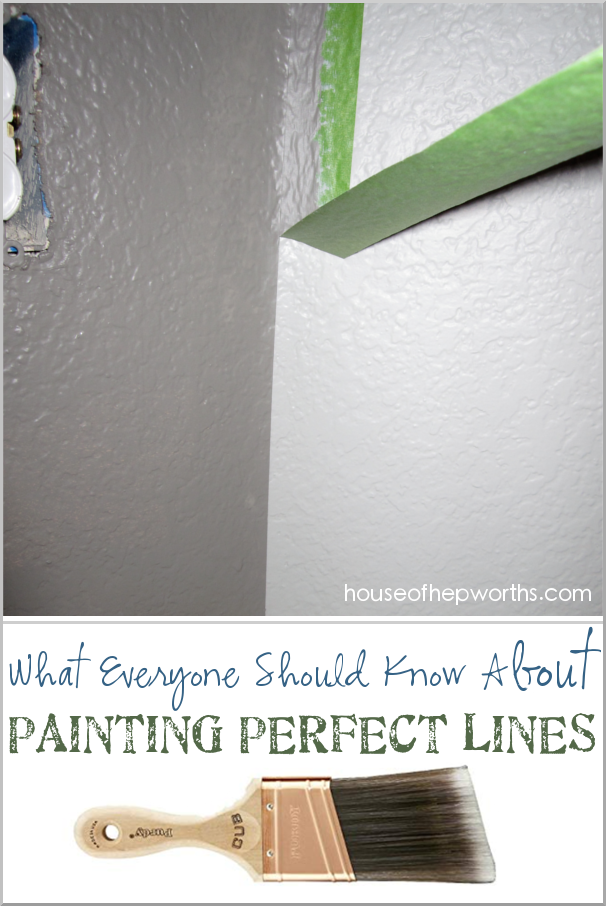
Perfect Edges: Using Paint Masking Vinyl Effectively
Introduction
Achieving precise and professional-looking paint lines is a crucial aspect of any painting project, whether it’s a home renovation or a large-scale commercial endeavor. Paint masking vinyl, also known as painter’s tape, plays a pivotal role in this process, enabling painters to create sharp, clean edges and protect surfaces from unwanted paint. This article delves into the intricacies of using paint masking vinyl effectively, providing comprehensive guidance to ensure flawless results.
Choosing the Right Paint Masking Vinyl
The first step towards achieving perfect edges is selecting the appropriate paint masking vinyl. Different types of tape are designed for specific applications, and choosing the right one is essential for optimal performance. Here are the key factors to consider:
- Adhesion Strength: The tape’s adhesive strength determines how well it adheres to the surface without leaving residue or damaging the paint. Choose a tape with a medium to high adhesion strength for most painting projects.
- Temperature Resistance: If you’re painting in extreme temperatures, opt for a tape that can withstand high or low temperatures without losing its adhesion or causing the paint to bleed.
- Surface Compatibility: Ensure the tape is compatible with the surface you’re painting. Some tapes are designed specifically for delicate surfaces like wallpaper or freshly painted walls.
- Width and Length: Choose a tape width that aligns with the size of the area you’re masking. The length of the roll should be sufficient for your project.
Preparing the Surface
Before applying paint masking vinyl, it’s crucial to prepare the surface properly. This involves cleaning the surface thoroughly to remove any dirt, dust, or grease that could interfere with the tape’s adhesion. Allow the surface to dry completely before applying the tape.
Applying the Paint Masking Vinyl
- Plan the Placement: Determine the areas that need to be masked and plan the placement of the tape accordingly. Use a measuring tape or ruler to ensure precise alignment.
- Apply the Tape: Unroll the tape and gently press it onto the surface, starting from one end and working your way towards the other. Use a firm but gentle pressure to ensure good adhesion.
- Smooth Out the Tape: Use a smoothing tool or your fingers to press down on the tape, removing any air bubbles or wrinkles. This will help prevent paint from seeping under the tape.
- Overlap the Edges: When applying multiple strips of tape, overlap the edges slightly to create a secure seal. This will prevent paint from bleeding through the gaps.
Painting
Once the paint masking vinyl is applied, you can begin painting. Here are some tips to ensure clean edges:
- Use a High-Quality Brush or Roller: A good-quality brush or roller will help apply the paint evenly and prevent paint from bleeding under the tape.
- Apply Thin Coats: Avoid applying thick coats of paint, as this can cause the paint to seep under the tape. Apply multiple thin coats instead.
- Allow Drying Time: Allow each coat of paint to dry completely before applying the next. This will prevent the paint from smudging or bleeding.
Removing the Paint Masking Vinyl
After the paint has dried completely, it’s time to remove the paint masking vinyl. Here’s how to do it without damaging the paint:
- Score the Tape: Use a sharp knife or razor blade to score the tape along the paint edge. This will help prevent the paint from peeling when you remove the tape.
- Peel Slowly: Gently peel the tape away from the surface at a 45-degree angle. Avoid pulling the tape straight up, as this could damage the paint.
- Clean Up: If any residue remains on the surface, use a mild solvent or adhesive remover to clean it up.
Additional Tips for Perfect Edges
- Use a Level: When masking vertical surfaces, use a level to ensure the tape is applied straight.
- Use a Caulk Gun: For intricate curves or corners, use a caulk gun to apply a thin bead of caulk along the edge before applying the tape. This will create a watertight seal.
- Protect Delicate Surfaces: If you’re masking delicate surfaces like wallpaper or freshly painted walls, use a low-tack tape or apply the tape to a piece of paper or cardboard first.
- Practice: The key to achieving perfect edges is practice. Experiment with different techniques and find what works best for you.
Conclusion
Using paint masking vinyl effectively is essential for achieving professional-looking paint lines. By following the steps outlined in this article, you can ensure sharp, clean edges and protect your surfaces from unwanted paint. Remember to choose the right tape, prepare the surface properly, apply the tape carefully, and remove it gently. With a little practice, you can master the art of paint masking and create stunning results every time.
Post a Comment for "Perfect Edges: Using Paint Masking Vinyl Effectively"