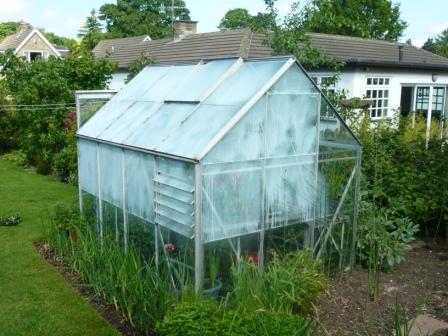
Greenhouse Shade Paint: A Comprehensive Guide to Protecting Your Plants
Introduction
Greenhouses provide a controlled environment for plant cultivation, but excessive sunlight can lead to overheating, scorching, and stunted growth. Greenhouse shade paint is an effective solution for regulating light intensity, ensuring optimal conditions for plant health and productivity. This comprehensive guide will delve into the essential aspects of greenhouse shade paint, empowering you to make informed decisions for your gardening endeavors.
Types of Greenhouse Shade Paint
- Liquid Shade Paint: Applied directly to the greenhouse glazing, liquid shade paint provides a uniform and long-lasting finish. It is available in various shades and opacities to suit specific light requirements.
- Reflective Shade Paint: Designed to reflect sunlight away from the greenhouse, reflective shade paint helps maintain a cooler temperature inside. It is particularly beneficial in hot climates or for plants sensitive to high temperatures.
- Diffused Shade Paint: Diffused shade paint scatters sunlight, reducing the intensity and creating a more even distribution of light. This type of paint is ideal for plants that require bright but indirect light.
- Removable Shade Paint: Removable shade paint offers temporary shading, allowing for adjustments as plant needs change. It is easy to apply and remove, making it a versatile option for seasonal shading or specific plant requirements.
Factors to Consider When Choosing Shade Paint
- Light Requirements of Plants: Different plant species have varying light requirements. Determine the optimal light intensity for your plants before selecting shade paint.
- Greenhouse Size and Orientation: The size and orientation of your greenhouse will influence the amount of sunlight it receives. Consider the sun’s position throughout the day and choose shade paint that provides appropriate coverage.
- Climate: The climate in your area will impact the level of shading required. Hot climates may require more opaque shade paint, while cooler climates may benefit from lighter shades.
- Ventilation: Adequate ventilation is crucial for maintaining a healthy greenhouse environment. Ensure that shade paint does not obstruct airflow or create excessive humidity.
Application Techniques
- Surface Preparation: Clean the greenhouse glazing thoroughly to remove any dirt or debris.
- Application: Apply shade paint evenly using a brush, roller, or spray gun. Follow the manufacturer’s instructions for application thickness and drying time.
- Multiple Coats: For increased opacity and durability, apply multiple coats of shade paint. Allow each coat to dry completely before applying the next.
- Touch-Ups: Regularly inspect the shade paint for any fading or damage. Touch up as needed to maintain optimal shading.
Additional Tips
- Test Shade Paint: Apply a small sample of shade paint to an inconspicuous area of the greenhouse glazing to test the color and opacity before applying it to the entire surface.
- Consider Plant Spacing: Plant spacing can influence the amount of sunlight reaching each plant. Adjust plant placement to optimize light exposure.
- Monitor Plant Health: Observe your plants regularly for any signs of stress or discoloration. Adjust shade paint coverage or ventilation as necessary to ensure plant well-being.
Conclusion
Greenhouse shade paint is an essential tool for regulating light intensity and creating an optimal environment for plant growth. By understanding the different types of shade paint, considering the factors influencing its selection, and following proper application techniques, you can effectively protect your plants from excessive sunlight and promote their health and productivity.
Post a Comment for "Gardening Essentials: Greenhouse Shade Paint Tips"