Achieving a Stunning Amber Whiskey Paint Finish: A Comprehensive Guide

Table of Content
- 1 Achieving a Stunning Amber Whiskey Paint Finish: A Comprehensive Guide
- 1.1 Understanding the Essence of Amber Whiskey Finish
- 1.2 Gathering the Necessary Tools and Materials
- 1.3 The Step-by-Step Guide to Creating an Amber Whiskey Paint Finish
- 1.4 Tips for Achieving a Stunning Amber Whiskey Paint Finish
- 1.5 Variations and Enhancements
- 1.6 Conclusion
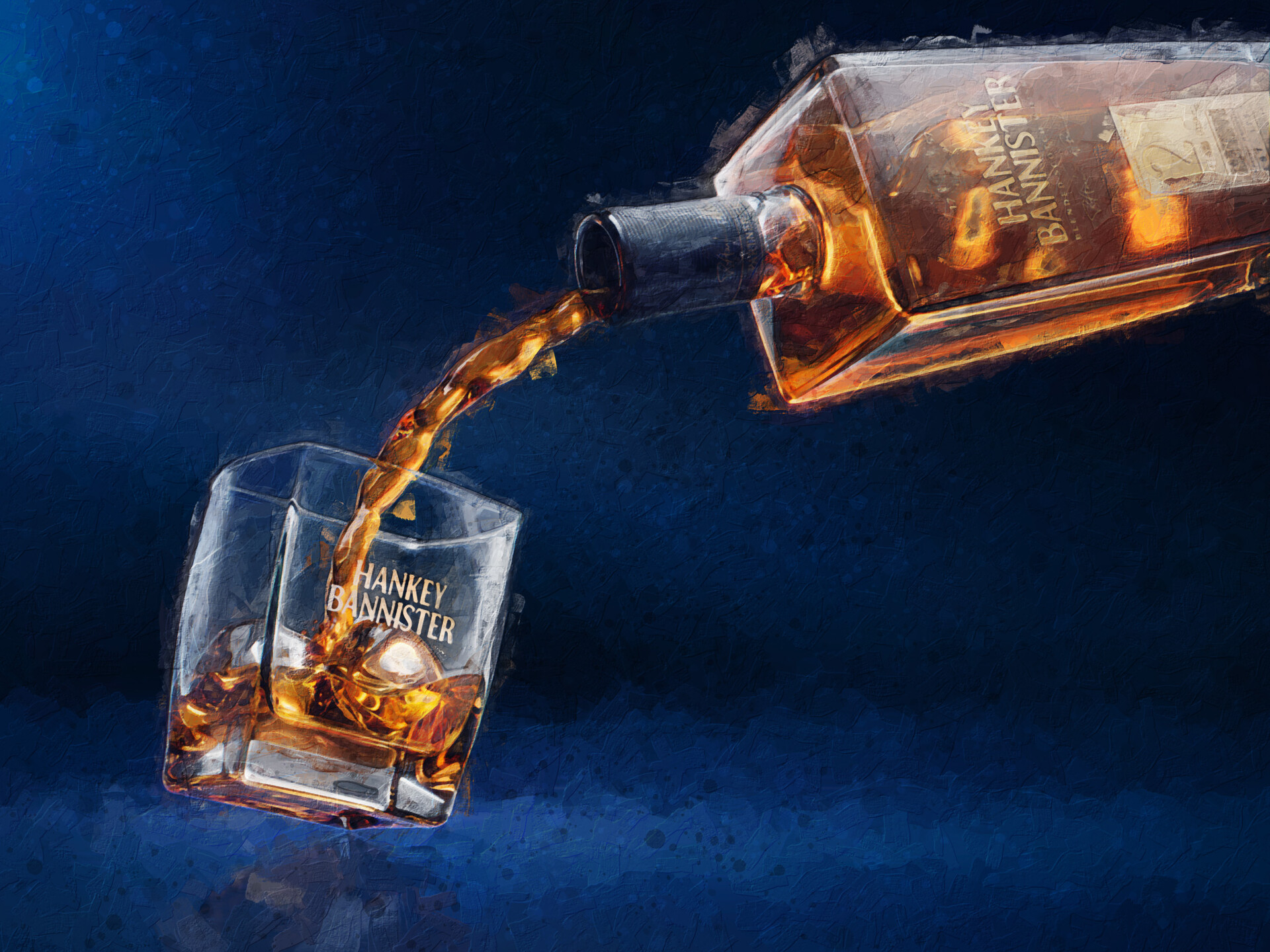
The allure of a rich, amber whiskey paint finish lies in its ability to transform a simple piece of furniture into a timeless masterpiece. This unique finish, reminiscent of aged spirits, exudes warmth, depth, and a sense of history. Achieving this captivating look requires a meticulous approach, blending the right techniques with quality materials. This guide will delve into the intricacies of creating a stunning amber whiskey paint finish, providing you with the knowledge and expertise to elevate your furniture refinishing projects.
Understanding the Essence of Amber Whiskey Finish
The amber whiskey finish derives its distinctive character from its layered, multi-tonal appearance. The base coat, typically a light wood stain, sets the foundation for the subsequent layers of glazing and antiquing. These layers work in harmony to create a rich, translucent finish that reveals the underlying wood grain while showcasing the warm amber hues.
Key Characteristics of an Amber Whiskey Finish:
- Warm, Amber Tones: The finish evokes the rich, golden hues of aged whiskey, creating a sense of warmth and sophistication.
- Translucent Appearance: The layered glazing allows the natural wood grain to peek through, adding depth and character.
- Antiqued Effects: Subtle distressing or antiquing techniques add a touch of age and authenticity to the finish.
- Durable and Protective: A final sealant ensures the finish is protected from wear and tear, preserving its beauty for years to come.

Gathering the Necessary Tools and Materials
Before embarking on your amber whiskey paint finish journey, ensure you have all the essential tools and materials at your disposal. This will ensure a smooth and efficient workflow, minimizing interruptions and maximizing your creative potential.
Essential Tools:
- Sandpaper: Various grits (80, 120, 180, 220, 400) for sanding the wood surface and smoothing out imperfections.
- Paintbrushes: High-quality brushes in various sizes for applying stains, glazes, and sealants.
- Paint Scraper: For removing old paint or varnish before starting the refinishing process.
- Tack Cloth: To remove dust and debris from the wood surface before applying any finish.
- Protective Gear: Safety glasses, gloves, and a respirator mask are essential for working with paints and varnishes.
- Drop Cloths: To protect your work area from spills and splatters.


Essential Materials:
- Wood Stain: Choose a light wood stain that complements the desired amber hue. Popular options include walnut, cherry, or mahogany stains.
- Glazing Medium: A clear, water-based medium designed for mixing with pigments to create translucent glazes.
- Pigments: Select pigments that will create the desired amber tones. Burnt umber, raw umber, and yellow ochre are excellent choices.
- Antiquing Wax: A wax-based product that adds a subtle aged effect to the finish.
- Polyurethane or Varnish: A clear, protective sealant that protects the finish from scratches and spills.
The Step-by-Step Guide to Creating an Amber Whiskey Paint Finish
The process of achieving a stunning amber whiskey paint finish involves a series of carefully executed steps. Each step plays a crucial role in building the layers of color, depth, and texture that define this captivating finish.
Step 1: Preparing the Wood Surface
- Clean the Surface: Begin by thoroughly cleaning the wood surface with a mild detergent and water. Remove any dirt, grease, or grime that could interfere with the adhesion of the finish.
- Sanding: Sand the surface using sandpaper of increasing grits, starting with a coarse grit (80) and gradually progressing to a fine grit (220). This process removes any imperfections and creates a smooth, even surface for the stain to adhere to.
- Dust Removal: Use a tack cloth to remove any dust or debris from the sanded surface. This ensures a clean and dust-free environment for applying the stain.
Step 2: Applying the Base Coat
- Wood Stain Selection: Choose a light wood stain that complements the desired amber hue. Walnut, cherry, or mahogany stains are popular choices.
- Stain Application: Apply the wood stain evenly to the prepared surface using a clean paintbrush. Work in the direction of the wood grain for a natural look.
- Drying Time: Allow the stain to dry completely according to the manufacturer’s instructions. This typically takes several hours.
Step 3: Creating the Glazing Layers
- Glazing Medium and Pigments: Mix a glazing medium with pigments to create a translucent glaze. Start with a small amount of pigment and gradually add more until you achieve the desired amber hue.
- Glaze Application: Apply the glaze to the stained surface using a clean brush. Work in thin, even layers, allowing each layer to dry completely before applying the next.
- Building Depth: Apply multiple layers of glaze, gradually increasing the concentration of pigment in each layer to build depth and richness.
Step 4: Antiquing the Finish
- Antiquing Wax Application: Apply antiquing wax to the glazed surface using a clean cloth. Focus on areas that would naturally show signs of wear, such as corners, edges, and raised areas.
- Distressing Techniques: For a more pronounced aged effect, consider using sandpaper or a wire brush to lightly distress the surface, creating subtle scratches and imperfections.
Step 5: Sealing and Protecting the Finish
- Polyurethane or Varnish: Apply a clear, protective sealant, such as polyurethane or varnish, over the antiqued finish. This protects the finish from scratches, spills, and wear and tear.
- Multiple Coats: Apply multiple thin coats of sealant, allowing each coat to dry completely before applying the next. This ensures a durable and long-lasting finish.
Step 6: Finishing Touches
- Waxing: For an extra layer of protection and a beautiful sheen, apply a furniture wax to the sealed surface.
- Polishing: Buff the waxed surface with a soft cloth to achieve a smooth, polished finish.
Tips for Achieving a Stunning Amber Whiskey Paint Finish
- Practice on Scrap Wood: Before tackling your final project, practice applying the glaze and antiquing techniques on scrap wood. This allows you to experiment with different techniques and achieve the desired results.
- Work in a Well-Ventilated Area: When working with paints, stains, and varnishes, ensure you work in a well-ventilated area to avoid inhaling harmful fumes.
- Use Quality Materials: Invest in high-quality stains, glazes, and sealants to ensure a durable and long-lasting finish.
- Be Patient: The amber whiskey paint finish requires patience and attention to detail. Take your time and allow each layer to dry completely before applying the next.
- Experiment with Techniques: Don’t be afraid to experiment with different techniques and variations to achieve your desired look.
Variations and Enhancements
The amber whiskey paint finish offers a versatile platform for customization and personalization. Here are some variations and enhancements that can elevate your project to new heights:
Color Variations:
- Golden Amber: Achieve a lighter, more golden amber hue by using a combination of yellow ochre and burnt umber pigments.
- Deep Amber: For a richer, deeper amber tone, incorporate more burnt umber and raw umber pigments into the glaze.
- Reddish Amber: Add a touch of red pigment, such as red ochre or cadmium red, to create a warm, reddish amber hue.
Textural Variations:
- Crackle Finish: Apply a crackle medium over the glaze to create a network of fine cracks, adding a unique textural element.
- Distressed Finish: Use sandpaper, wire brushes, or other tools to create subtle scratches and imperfections, adding a distressed, vintage look.
- Metallic Accents: Incorporate metallic pigments, such as gold or copper, into the glaze to add subtle shimmering accents.
Decorative Elements:
- Stencils: Use stencils to create intricate patterns or designs on the surface of the furniture.
- Decoupage: Apply decoupage techniques to add decorative paper or fabric elements to the finish.
- Gilding: Add touches of gold leaf or gilding to create a luxurious and elegant effect.
Conclusion
Creating a stunning amber whiskey paint finish is a rewarding journey that blends artistry and technique. By following the steps outlined in this guide and experimenting with variations and enhancements, you can transform your furniture into captivating masterpieces. Embrace the process, enjoy the journey, and let your creativity shine through in every project.
Achieving a Stunning Amber Whiskey Paint Finish: A Comprehensive Guide
Post a Comment for "Creating A Stunning Amber Whiskey Paint Finish"