Building Your Own Collapsible Paint Booth: A Step-by-Step Guide

Introduction
For hobbyists, professionals, and anyone who enjoys the creative process of painting, a dedicated paint booth is a game-changer. It provides a controlled environment, protecting your workspace and your health from harmful fumes and overspray. But a traditional paint booth can be bulky, expensive, and difficult to store. Enter the collapsible paint booth – a versatile solution that offers the benefits of a stationary booth without the downsides. This comprehensive guide will walk you through the process of building your own collapsible paint booth, empowering you to create a professional painting setup that’s both efficient and easy to manage.
1. Planning Your Collapsible Paint Booth
A. Determine Your Needs:
- Size: Consider the size of the projects you’ll be working on. Measure the largest object you intend to paint and add extra space for maneuvering.
- Functionality: Will you be using spray paint, airbrushing, or both? This will influence the type of ventilation system you need.
- Budget: Set a realistic budget for materials and tools.
- Space: Consider where you’ll store the booth when not in use and ensure it fits comfortably in that location.

B. Choosing Materials:
- Frame: Lightweight yet sturdy materials are key. Consider aluminum extrusions, PVC pipes, or even wooden dowels.
- Panels: Use lightweight, durable, and easily cleanable materials like clear plastic sheeting, PVC sheets, or canvas.
- Ventilation: A powerful fan is essential for removing fumes and overspray. Consider a dedicated paint booth fan or a high-volume exhaust fan.
- Lighting: Adequate lighting is crucial for accurate paint application. Choose LED lights for energy efficiency and longevity.
- Accessories: Think about additional components like paint trays, tool holders, and a floor mat to protect your workspace.
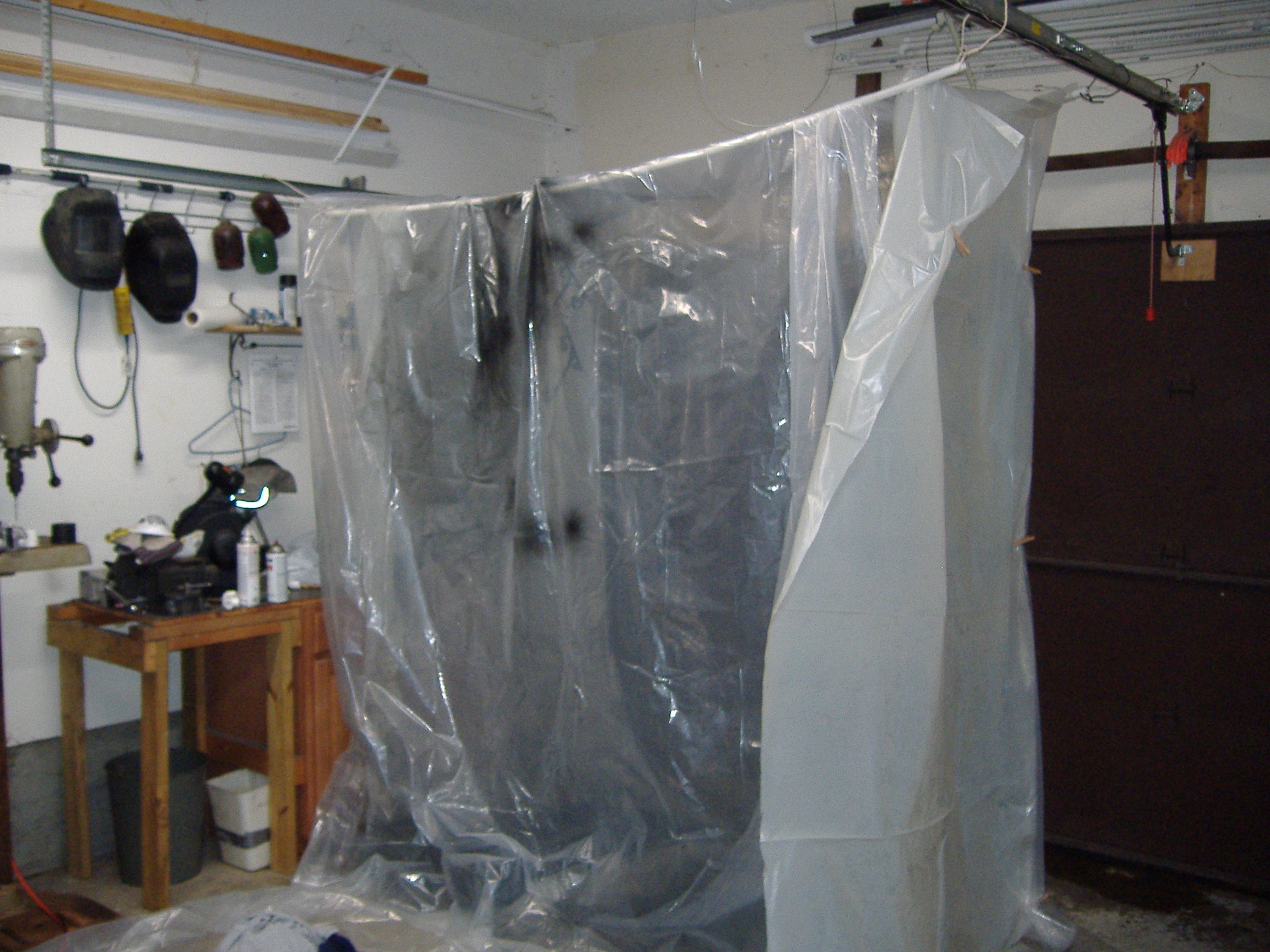
2. Designing the Collapsible Paint Booth
A. Sketching Your Design:

- Start with a basic sketch of your desired booth dimensions.
- Consider the shape: A rectangular booth is simple to construct, while a circular design offers more space.
- Design the frame structure: Will it be a simple frame with panels or a more complex system with adjustable sections?
B. Creating a Blueprint:
- Once you have a basic design, create a detailed blueprint with accurate measurements.
- Use a CAD program or draw it by hand.
- Include all frame components, panel sizes, ventilation system placement, and lighting fixtures.
3. Assembling the Frame:
A. Cutting and Preparing Materials:
- Cut your chosen frame materials to the precise lengths specified in your blueprint.
- Use a miter saw for clean, accurate cuts, especially for aluminum extrusions.
- Sand edges to prevent injuries and ensure smooth panel connections.
B. Connecting Frame Components:
- Use connectors specifically designed for your chosen frame material. For aluminum extrusions, corner connectors and T-connectors are common.
- For PVC pipes, use PVC elbows, T-joints, and couplings.
- For wooden dowels, use strong glue and screws or bolts to secure joints.
C. Adding Stability:
- Reinforce the frame with additional supports or braces, especially in areas that will experience stress.
- Use corner braces for added stability.
- Consider using diagonal supports for added strength.
4. Installing Panels:
A. Choosing Panel Material:
- Clear plastic sheeting: Offers excellent visibility and is easy to clean.
- PVC sheets: Durable and rigid, providing a more professional look.
- Canvas: Affordable and lightweight, but may not be as durable as other options.
B. Attaching Panels to the Frame:
- Use Velcro strips, magnets, or clips for easy assembly and disassembly.
- Ensure a tight seal to prevent overspray from escaping.
- Consider using a grommet tool to reinforce attachment points on plastic panels.
5. Setting Up Ventilation:
A. Choosing a Fan:
- Paint booth fan: Designed specifically for removing paint fumes and overspray.
- High-volume exhaust fan: A more versatile option that can be used for other applications.
- Fan size: Choose a fan with sufficient airflow to effectively remove fumes from the booth.
B. Installing the Fan:
- Placement: Mount the fan at the top of the booth for optimal airflow.
- Ducting: Use flexible ductwork to connect the fan to the booth.
- Exhaust: Ensure the exhaust duct extends outside the building to safely vent fumes.
C. Adding a Filter:
- Filter type: Choose a filter designed to capture paint particles and fumes.
- Placement: Install the filter at the fan intake to prevent particles from entering the motor.
- Maintenance: Regularly clean or replace the filter to maintain optimal performance.
6. Installing Lighting:
A. Choosing Lighting:
- LED lights: Energy-efficient, long-lasting, and provide bright, white light.
- Placement: Position lights to evenly illuminate the entire workspace.
- Power source: Use a dedicated electrical circuit for your lighting system.
B. Mounting Lights:
- Securely attach: Use clamps, brackets, or mounting clips to securely attach lights to the frame.
- Consider wiring: If using multiple lights, create a wiring system for easy connection and disconnection.
7. Adding Finishing Touches:
A. Paint Tray:
- Placement: Mount a paint tray inside the booth for convenient access to paint and supplies.
- Materials: Use a durable material like metal or plastic.
B. Tool Holders:
- Organization: Create a system for storing brushes, rollers, and other tools.
- Placement: Mount tool holders on the frame or inside the booth.
C. Floor Mat:
- Protection: Use a floor mat to protect your workspace from spills and overspray.
- Material: Choose a durable, easy-to-clean material like rubber or plastic.
8. Testing and Refinement:
A. Trial Run:
- Before using the booth for a real project, conduct a test run.
- Spray a small amount of paint and observe the airflow and overspray containment.
- Adjust the fan speed or ventilation system as needed.
B. Refinement:
- Based on your testing, make any necessary adjustments to the booth’s design or construction.
- Improve ventilation, add more lighting, or modify the panel attachment system.
9. Maintenance and Storage:
A. Cleaning:
- Clean the booth regularly to prevent dust and overspray buildup.
- Use a damp cloth and mild detergent for cleaning panels and the frame.
- Replace filters as needed.
B. Storage:
- Disassemble: Collapsible booths are designed for easy storage.
- Folding: Carefully fold or collapse the frame and panels.
- Storage: Store the booth in a dry, clean location.
10. Safety Considerations:
- Ventilation: Always ensure adequate ventilation to remove fumes and overspray.
- Personal Protective Equipment (PPE): Wear a respirator mask, safety glasses, and gloves when working in the booth.
- Fire Safety: Keep a fire extinguisher nearby and be aware of potential fire hazards.
- Electrical Safety: Use a GFCI outlet and ensure all wiring is properly insulated.
Conclusion:
Building your own collapsible paint booth is a rewarding project that offers numerous benefits. From enhanced painting accuracy to improved workspace protection, a custom-built booth empowers you to take your painting endeavors to the next level. This step-by-step guide provides a comprehensive roadmap for creating a professional-grade paint booth that’s both functional and easy to manage. Remember to prioritize safety, meticulous planning, and careful execution for a successful and enjoyable building experience.

Building Your Own Collapsible Paint Booth: A Step-by-Step Guide
Post a Comment for "Building Your Own Collapsible Paint Booth: Step-by-Step"