The Art of the Blue Pearl Paint Job: Techniques and Tips

Table of Content
The allure of a pearlescent paint job, especially in the captivating shade of blue, is undeniable. It evokes a sense of luxury, depth, and sophistication, transforming any vehicle into a captivating masterpiece. Achieving this effect, however, requires a meticulous approach and a keen understanding of the techniques involved. This comprehensive guide delves into the intricacies of the blue pearl paint job, providing insights into the processes, techniques, and tips for achieving breathtaking results.
Understanding the Essence of Pearl Paint
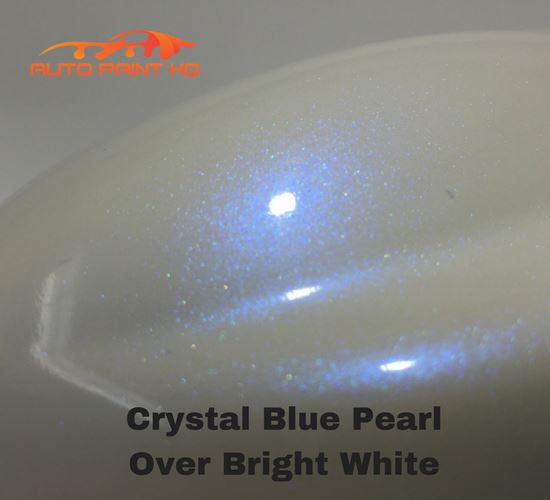
Pearl paint, unlike solid or metallic paints, contains tiny mica flakes that reflect light differently, creating an iridescent, shimmering effect. These flakes are typically coated with a pigment, often titanium dioxide for a white base, but can also incorporate other pigments to achieve a spectrum of colors. The unique way these flakes interact with light is what creates the mesmerizing pearlescent effect, changing color depending on the angle of observation.
Blue Pearl: A Spectrum of Possibilities
Blue pearl paint jobs offer a wide range of possibilities, from the deep, rich hues of a sapphire to the vibrant, shimmering tones of a turquoise. The choice of blue depends on personal preference, the intended vehicle style, and the overall aesthetic desired. Some popular blue pearl shades include:
- Azure Blue Pearl: A deep, captivating blue with a hint of violet, reminiscent of the twilight sky.
- Ocean Blue Pearl: A vibrant, energetic blue, evoking the depths of the ocean and its shifting hues.
- Sky Blue Pearl: A lighter, airy blue, reminiscent of a clear summer sky, offering a sense of tranquility.
- Cobalt Blue Pearl: A bold, striking blue, exuding confidence and sophistication.

The Art of Preparation: A Foundation for Perfection
The foundation of any successful paint job lies in meticulous preparation. This stage involves several crucial steps:
- Cleaning and Degreasing: The surface must be thoroughly cleaned to remove dirt, grime, and contaminants that can interfere with paint adhesion. A degreaser specifically formulated for automotive surfaces is recommended.
- Sanding: Sanding the surface to create a smooth, even base is essential for optimal paint adhesion. Different grit sandpaper is used depending on the surface condition, with finer grits used for final smoothing.
- Masking: Masking off areas that are not to be painted is crucial to prevent accidental overspray. This involves using masking tape and paper, ensuring a precise and secure seal.
- Primer Application: Primer acts as a barrier between the surface and the paint, promoting adhesion and providing a uniform base for the paint to adhere to. Primer is typically applied in thin, even coats, allowing each coat to dry completely before applying the next.
The Painting Process: Layering for Depth and Shimmer

The painting process itself involves several layers of paint, each contributing to the final appearance of the blue pearl finish:
- Base Coat: The base coat is typically a solid color, often white, that forms the foundation for the pearlescent effect. It is applied in thin, even coats, allowing each coat to dry completely before applying the next.
- Pearl Coat: This is where the magic happens. The pearl coat contains the mica flakes that create the shimmering effect. It is applied in thin, even coats, allowing each coat to dry completely before applying the next. The number of pearl coats applied can influence the intensity of the pearlescent effect, with more coats resulting in a more pronounced shimmer.
- Clear Coat: The clear coat acts as a protective layer over the paint, safeguarding it from scratches, UV rays, and other environmental damage. It is applied in multiple thin coats, allowing each coat to dry completely before applying the next. The clear coat also enhances the gloss and depth of the paint, contributing to the overall visual appeal.
Techniques for Achieving Optimal Results
- Spray Gun Technique: A spray gun is the preferred tool for applying pearl paint, allowing for precise control over the application and achieving a smooth, even finish. The spray gun should be held at a consistent distance from the surface, using a smooth, even motion to apply the paint.
- Multiple Thin Coats: Applying multiple thin coats, allowing each coat to dry completely before applying the next, is essential for achieving a smooth, even finish and preventing runs and sags. This also helps to build up the depth and intensity of the pearlescent effect.
- Proper Drying Time: Allowing each coat to dry completely is crucial for optimal adhesion and preventing paint defects. Drying times vary depending on the paint type, temperature, and humidity, but it is generally recommended to allow at least 24 hours between coats.
- Wet Sanding and Polishing: After the paint has dried completely, wet sanding and polishing can be used to refine the surface, removing any imperfections and enhancing the shine. This involves using progressively finer grit sandpaper and polishing compounds, ensuring a smooth, even finish.
Tips for a Stunning Blue Pearl Paint Job
- Choose the Right Paint: Selecting high-quality pearl paint is essential for achieving a stunning, long-lasting finish. Research different brands and formulations, considering factors such as durability, color depth, and ease of application.
- Consult with a Professional: If you are not confident in your painting skills, consider consulting with a professional painter who specializes in pearlescent paint jobs. They can provide expert guidance, ensure proper preparation, and ensure a flawless finish.
- Consider the Environment: The environment can significantly affect the drying process and the final appearance of the paint. Ideally, paint in a well-ventilated area with a consistent temperature and humidity level. Avoid painting in direct sunlight or in extreme temperatures.
- Protect the Finished Paint: Once the paint job is complete, protect it from scratches, UV rays, and other environmental damage. This can be done by using a car cover, parking in a garage, and regularly washing and waxing the vehicle.
Conclusion: The Art of Blue Pearl Perfection
Achieving a stunning blue pearl paint job is a testament to meticulous preparation, careful application, and a keen eye for detail. By understanding the nuances of pearl paint, mastering the techniques involved, and following these tips, you can transform your vehicle into a captivating masterpiece, exuding luxury, depth, and sophistication. The blue pearl paint job is more than just a paint job; it’s an art form, a reflection of passion, and a testament to the transformative power of color.

The Art of the Blue Pearl Paint Job: Techniques and Tips
Post a Comment for "The Art Of The Blue Pearl Paint Job: Techniques And Tips"