Paint Inspection Light: Ensuring Perfection in Every Coat
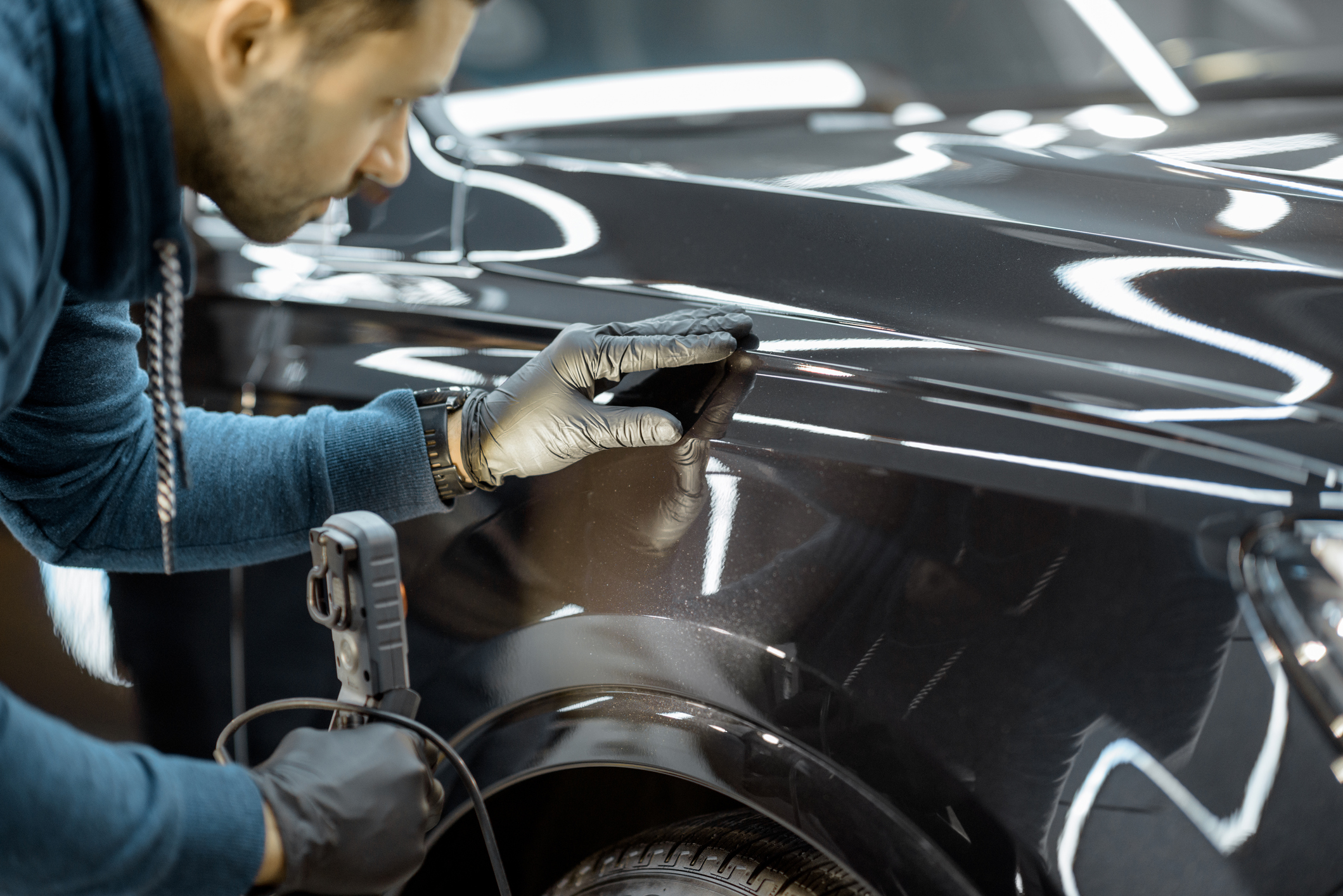
Table of Content
Introduction:
Achieving a flawless paint finish is a meticulous process that requires precision and attention to detail. Every stage, from surface preparation to final application, plays a crucial role in the overall outcome. However, the true test of a perfect paint job lies in the inspection phase, where even the slightest imperfections can be magnified. This is where a specialized tool, the paint inspection light, comes into play.
The Importance of Paint Inspection Lights:
Paint inspection lights are essential for professionals and DIY enthusiasts alike, providing a critical advantage in identifying defects that may otherwise go unnoticed. These lights illuminate the painted surface with a specific wavelength of light, revealing subtle flaws that are invisible under normal lighting conditions. This includes:
- Surface imperfections: Uneven sanding marks, dust particles, and other surface irregularities that can compromise the paint’s adhesion and longevity.
- Orange peel: A common defect characterized by a bumpy, uneven surface texture resembling the skin of an orange. This can be caused by improper application techniques or inadequate drying conditions.
- Runs and sags: Excess paint that has flowed downwards, creating unsightly streaks and unevenness.
- Overspray: Paint droplets that have landed on unintended areas, causing blemishes and requiring additional cleaning.
- Color inconsistencies: Subtle variations in color shade that can be difficult to detect under normal lighting.
Types of Paint Inspection Lights:
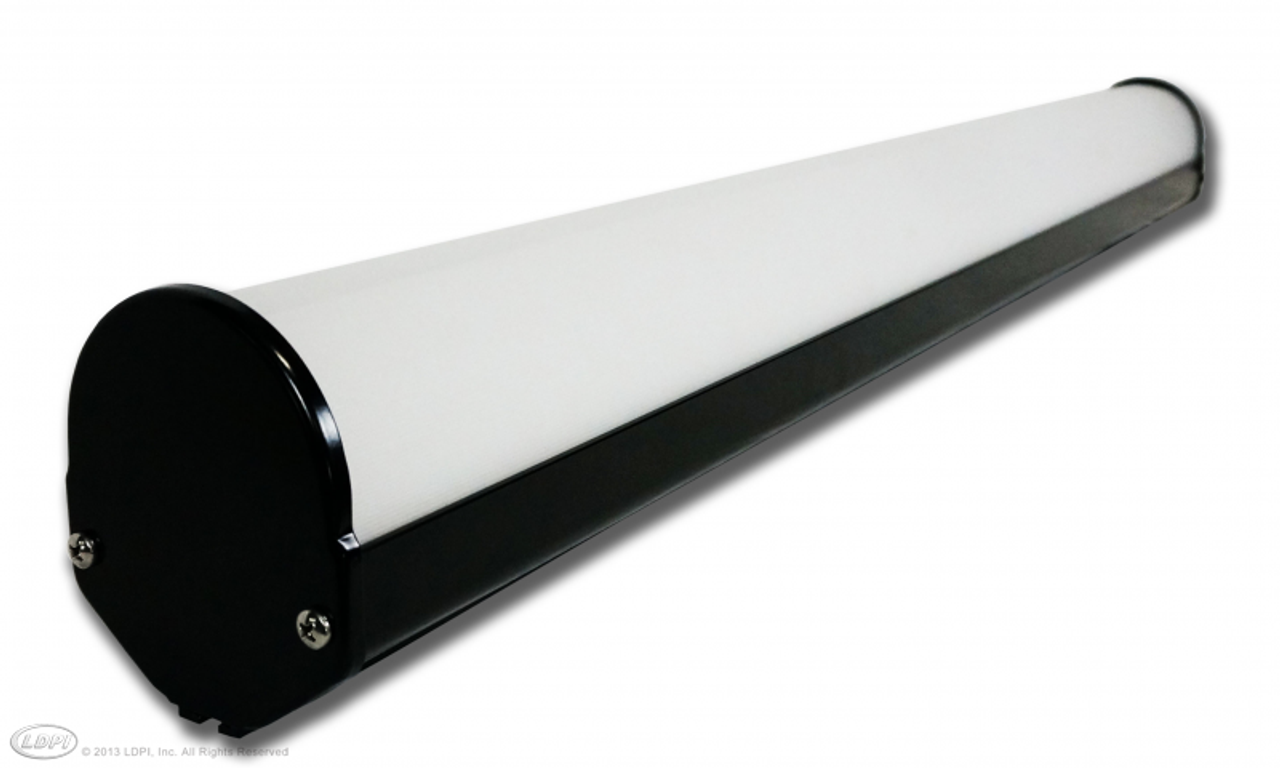
Paint inspection lights come in various types, each offering unique features and benefits:
1. LED Inspection Lights:
- Features: Utilizing high-intensity LEDs, these lights provide a bright, focused beam with excellent color accuracy.
- Advantages: Durable, energy-efficient, long lifespan, and offer a wide range of brightness levels.
- Applications: Suitable for general inspection tasks, identifying minor imperfections, and evaluating color consistency.

2. UV Inspection Lights:

- Features: Emit ultraviolet (UV) light, which causes certain materials, including some paint additives, to fluoresce.
- Advantages: Reveal hidden defects, such as cracks, scratches, and repairs that may have been masked by paint.
- Applications: Ideal for inspecting cured coatings, detecting UV damage, and verifying the presence of specific additives.
3. High-Intensity Inspection Lights:
- Features: Designed with powerful LED arrays that produce a highly concentrated beam of light.
- Advantages: Provide exceptional visibility, enabling the detection of even the smallest imperfections.
- Applications: Suitable for inspecting large surfaces, highlighting intricate details, and examining intricate paintwork.
4. Pocket Inspection Lights:
- Features: Compact and portable, offering convenient inspection on the go.
- Advantages: Easy to carry, ideal for quick checks, and often equipped with a magnifying lens for enhanced visibility.
- Applications: Perfect for spot checks, evaluating small areas, and inspecting hard-to-reach spots.
Choosing the Right Paint Inspection Light:
Selecting the appropriate paint inspection light depends on several factors:
- Type of paint: The type of paint being inspected will determine the most effective light source. For example, UV lights are best for inspecting cured coatings, while LED lights are ideal for general inspection.
- Surface size: Larger surfaces require a light with a wider beam angle and higher intensity.
- Level of detail: Inspecting intricate details necessitates a light with a magnifying lens or a high-resolution image sensor.
- Budget: Paint inspection lights come in various price ranges, from affordable pocket lights to professional-grade models.
Using a Paint Inspection Light Effectively:
- Proper lighting: Ensure the inspection area is well-lit, minimizing shadows and providing a clear view of the surface.
- Angle of inspection: Use a variety of angles to illuminate the surface from different directions, revealing any hidden imperfections.
- Distance: Maintain a consistent distance between the light and the surface to ensure uniform illumination.
- Observation: Carefully observe the surface for any irregularities, paying attention to color variations, texture changes, and any signs of damage.
Benefits of Using a Paint Inspection Light:
- Improved quality control: Identify and correct defects early in the process, preventing costly rework and ensuring a flawless finish.
- Enhanced customer satisfaction: Deliver high-quality paint jobs that meet or exceed customer expectations.
- Increased efficiency: Reduce inspection time and improve workflow, allowing for faster completion of projects.
- Cost savings: Early detection of defects prevents costly repairs and rework, saving time and money.
Conclusion:
A paint inspection light is an indispensable tool for any professional or DIY enthusiast seeking to achieve a perfect paint finish. By illuminating hidden imperfections, these lights empower users to identify and address potential issues before they become major problems. With the right inspection light, you can ensure that every coat of paint is flawless, leaving you with a beautiful and durable finish that will last for years to come.
Our Form Article: Unveiling Perfection: The Comprehensive Guide to Paint Inspection Lights
Introduction:
In the realm of professional painting and automotive detailing, achieving a flawless finish is a testament to meticulous craftsmanship and the utilization of specialized tools. Among these tools, the paint inspection light stands as a beacon of precision, enabling the detection of subtle imperfections that can otherwise escape the naked eye. This comprehensive guide delves into the world of paint inspection lights, exploring their significance, diverse types, and optimal application, ultimately empowering you to elevate your painting and detailing expertise to new heights.
The Crucial Role of Paint Inspection Lights:
The pursuit of a flawless paint job transcends mere visual aesthetics; it encompasses the creation of a durable, long-lasting, and aesthetically pleasing surface. However, achieving this requires a discerning eye for detail, capable of identifying even the most subtle flaws that can undermine the integrity of the paint. This is where the paint inspection light shines, serving as an indispensable tool for professionals and enthusiasts alike.
Delving into the Spectrum of Paint Inspection Lights:
The world of paint inspection lights encompasses a diverse array of options, each tailored to specific needs and applications. Understanding the distinct characteristics of each type is paramount to selecting the ideal light for your requirements:
1. LED Inspection Lights: Illuminating the Basics
- Characteristics: LED inspection lights utilize high-intensity light-emitting diodes (LEDs) to produce a bright, focused beam with exceptional color accuracy. They are known for their durability, energy efficiency, and extended lifespan, making them a reliable choice for various inspection tasks.
- Applications: LED inspection lights excel in general inspection tasks, particularly when identifying minor imperfections, evaluating color consistency, and ensuring surface uniformity. Their versatility makes them suitable for a wide range of applications, from automotive detailing to home improvement projects.
2. UV Inspection Lights: Unveiling Hidden Imperfections
- Characteristics: UV inspection lights emit ultraviolet (UV) light, which has the unique ability to cause certain materials, including some paint additives, to fluoresce. This fluorescence phenomenon allows for the detection of hidden defects that may be masked by the visible paint layer.
- Applications: UV inspection lights are invaluable for inspecting cured coatings, revealing cracks, scratches, and repairs that may have been concealed by the paint. They are particularly effective in detecting UV damage, verifying the presence of specific additives, and ensuring the integrity of the paint’s protective layer.
3. High-Intensity Inspection Lights: Unveiling Intricate Details
- Characteristics: High-intensity inspection lights are engineered with powerful LED arrays, generating a highly concentrated beam of light that illuminates even the smallest imperfections with exceptional clarity. Their intense light output provides unparalleled visibility, enabling the detection of minute flaws that might otherwise go unnoticed.
- Applications: High-intensity inspection lights are ideal for inspecting large surfaces, highlighting intricate details, and examining complex paintwork. They are indispensable for professional detailers, automotive restoration specialists, and those seeking to achieve the highest level of paint perfection.
4. Pocket Inspection Lights: Portability Meets Precision
- Characteristics: Pocket inspection lights offer a convenient and portable solution for quick inspections on the go. Their compact size and lightweight design allow for easy carrying, while their integrated magnifying lenses provide enhanced visibility for examining smaller areas.
- Applications: Pocket inspection lights are perfect for spot checks, evaluating small areas, and inspecting hard-to-reach spots. They are an excellent choice for DIY enthusiasts, home decorators, and professionals requiring a quick and convenient inspection tool.
The Art of Selecting the Ideal Paint Inspection Light
Choosing the right paint inspection light requires a discerning approach, considering a multitude of factors that influence its suitability for your specific needs:
Type of Paint: The type of paint being inspected is a critical consideration, as different paints react differently to various light sources. For instance, UV lights are highly effective for inspecting cured coatings, while LED lights are ideal for general inspection tasks.
Surface Size: The size of the surface being inspected dictates the required light intensity and beam angle. Larger surfaces necessitate lights with a wider beam angle and higher intensity to illuminate the entire area effectively.
Level of Detail: The level of detail required for inspection dictates the need for specific features, such as magnifying lenses or high-resolution image sensors. Inspecting intricate details necessitates lights with enhanced magnification capabilities to reveal minute imperfections.
Budget: Paint inspection lights come in a wide range of price points, from affordable pocket lights to professional-grade models. Determining your budget and aligning it with your specific needs is crucial in selecting a light that offers the desired features without exceeding your financial constraints.
Harnessing the Power of Paint Inspection Lights: Best Practices for Optimal Results
Maximizing the effectiveness of your paint inspection light requires a methodical approach, ensuring that you are using it to its full potential:
Proper Lighting: Ensure that the inspection area is well-lit, minimizing shadows and providing a clear view of the surface. Adequate ambient lighting complements the inspection light, enhancing visibility and facilitating accurate assessment.
Angle of Inspection: Utilize a variety of angles to illuminate the surface from different directions, revealing any hidden imperfections that may be obscured from a single viewpoint. Moving the light source around the surface allows for a comprehensive inspection, uncovering even the most subtle flaws.
Distance: Maintain a consistent distance between the light source and the surface to ensure uniform illumination. Varying the distance can alter the intensity and focus of the light, potentially obscuring or highlighting imperfections depending on the desired outcome.
Observation: Observe the surface meticulously for any irregularities, paying particular attention to color variations, texture changes, and any signs of damage. A keen eye and systematic approach are essential for identifying even the most subtle imperfections.
The Benefits of Embracing Paint Inspection Lights: Elevating Your Craft
Integrating paint inspection lights into your workflow yields a multitude of benefits, significantly enhancing your painting and detailing expertise:
Enhanced Quality Control: Identify and correct defects early in the process, preventing costly rework and ensuring a flawless finish. Early detection allows for timely intervention, minimizing the impact of imperfections and maximizing the overall quality of the paint job.
Elevated Customer Satisfaction: Deliver high-quality paint jobs that meet or exceed customer expectations, fostering trust and loyalty. A flawless finish speaks volumes about your professionalism and commitment to excellence, enhancing customer satisfaction and building a strong reputation.
Increased Efficiency: Reduce inspection time and improve workflow, allowing for faster completion of projects. Efficient inspection processes streamline the overall workflow, minimizing delays and maximizing productivity.
Cost Savings: Early detection of defects prevents costly repairs and rework, saving time and money. Identifying imperfections early on allows for timely correction, preventing the escalation of minor flaws into major issues that require extensive rework and increased expenditure.
Conclusion: Illuminating the Path to Perfection
A paint inspection light is an indispensable tool for professionals and enthusiasts alike, empowering them to achieve a flawless paint finish that surpasses expectations. By illuminating hidden imperfections, these lights provide a clear and accurate assessment of the paint surface, enabling timely corrective measures and ensuring a durable, aesthetically pleasing finish. Embrace the power of paint inspection lights and elevate your painting and detailing expertise to new heights, creating a legacy of excellence in every coat.
Paint Inspection Light: Ensuring Perfection in Every Coat
Post a Comment for "Paint Inspection Light: Ensuring Perfection"