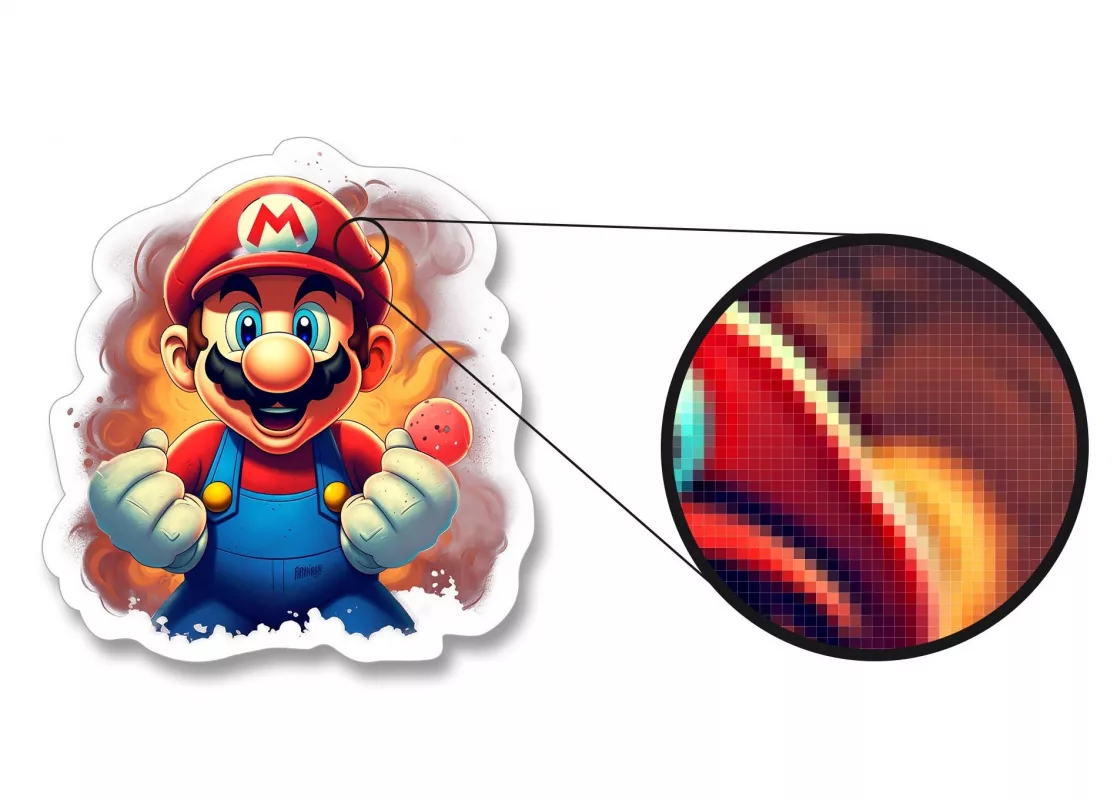
Digital Brilliance: Raster-Based Digital Art Explained
In the realm of digital art, raster-based imagery reigns supreme, captivating the hearts of artists and designers alike. Unlike its vector-based counterpart, raster art thrives on the intricate interplay of individual pixels, giving rise to vibrant, photorealistic masterpieces. To fully grasp the essence of raster-based digital art, let us embark on an illuminating journey, unraveling its fundamental principles and exploring its boundless creative potential.
The Pixel: The Building Block of Raster Art
At the core of raster art lies the pixel, a minuscule square of color that, when combined with countless others, forms the intricate tapestry of an image. Each pixel possesses its own unique hue, saturation, and brightness, contributing to the overall visual symphony. The resolution of a raster image, measured in pixels per inch (PPI), determines the level of detail and sharpness. Higher resolutions result in finer, more lifelike images, while lower resolutions may exhibit a more pixelated appearance.
Creating Raster Art: A Digital Canvas
To create raster-based digital art, artists utilize specialized software applications that provide a virtual canvas upon which they can unleash their creativity. These programs offer a comprehensive array of tools, allowing artists to manipulate pixels with precision, blend colors seamlessly, and apply a myriad of effects to achieve their desired aesthetic.
The Advantages of Raster Art
Raster-based digital art boasts several advantages that make it a popular choice among artists:
- Photorealism: Raster art excels at capturing the nuances of real-world objects and scenes, making it ideal for creating realistic illustrations, portraits, and landscapes.
- Flexibility: Raster images are highly malleable, allowing artists to easily edit, resize, and transform them without compromising their integrity.
- Compatibility: Raster art is widely supported by a vast range of software applications and devices, ensuring seamless integration into various workflows.
Applications of Raster Art
The versatility of raster-based digital art extends to a wide spectrum of applications, including:
- Digital Painting: Raster art is the preferred medium for digital painters, who use it to create stunningly realistic works of art.
- Photo Editing: Raster images serve as the foundation for photo editing software, allowing users to enhance, manipulate, and retouch photographs.
- Web Graphics: Raster art is widely used in web design for creating logos, icons, and other visual elements.
- Animation: Raster-based images are often employed in 2D animation, providing the building blocks for vibrant and expressive characters.
Conclusion
Raster-based digital art is a powerful medium that empowers artists to create captivating, photorealistic imagery. Its pixel-based nature offers unparalleled flexibility and compatibility, making it a versatile tool for a diverse range of creative endeavors. Whether you are a seasoned artist or just starting your journey into the realm of digital art, understanding the principles of raster-based imagery will unlock a world of possibilities and inspire you to create stunning masterpieces.
Post a Comment for "Digital Brilliance: Raster-Based Digital Art Explained"