Denatured Alcohol: Your Guide to Uses, Precautions, and Car Paint Applications
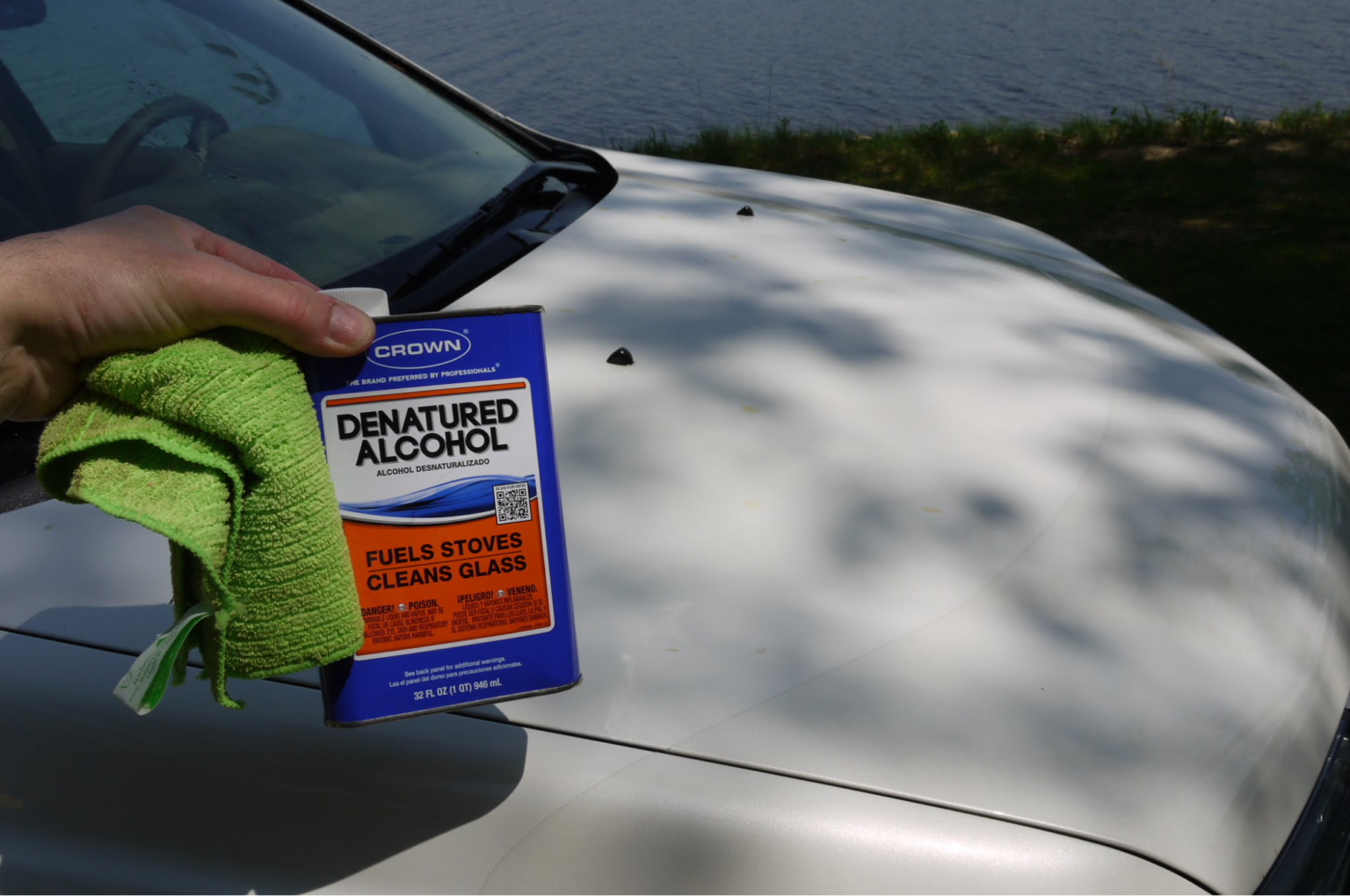
Denatured alcohol, a versatile solvent with a wide range of applications, finds its way into various industries, from automotive to cleaning. While commonly used as a cleaning agent, it also plays a crucial role in the world of car paint, offering unique properties that make it a valuable tool for both professionals and DIY enthusiasts.
This comprehensive guide delves into the intricacies of denatured alcohol in the realm of car paint, exploring its uses, safety considerations, and the advantages and disadvantages it presents.
Understanding Denatured Alcohol
Denatured alcohol, also known as methylated spirits, is essentially ethyl alcohol (ethanol) that has been rendered undrinkable by adding denaturants. These denaturants, typically bitter-tasting substances, prevent its consumption and are often methanol, acetone, or isopropyl alcohol.
Uses of Denatured Alcohol in Car Paint
Denatured alcohol’s versatility extends to several applications in car painting:
1. Cleaning and Preparation:
- Surface Preparation: Denatured alcohol effectively removes grease, oil, dirt, and other contaminants from car surfaces before painting. This ensures proper adhesion of the paint and prevents imperfections.
- Cleaning Paintbrushes and Spray Guns: Denatured alcohol efficiently cleans paintbrushes and spray guns, removing dried paint and preventing clogging. Its quick evaporation rate minimizes drying time, allowing for faster cleanup.
- Removing Overspray: Denatured alcohol effectively removes overspray from car parts, windows, and other surfaces, minimizing the need for harsh chemicals.
2. Thinning and Diluting:
- Thinner for Lacquers and Enamels: Denatured alcohol acts as a thinner for lacquers and enamels, adjusting their viscosity for easier application. It allows for smoother paint flow, reducing brushstrokes and creating a uniform finish.
- Adjusting Paint Consistency: Denatured alcohol can be used to adjust the consistency of paints, ensuring optimal application and achieving desired effects like layering or glazing.
3. Special Applications:
- Removing Stickers and Decals: Denatured alcohol effectively removes stickers and decals from car surfaces without damaging the underlying paint. Its solvent properties weaken the adhesive, making removal easier.
- Removing Paint from Plastic: In some cases, denatured alcohol can be used to remove paint from plastic parts, although caution is necessary as it can damage certain plastics.
Precautions and Safety Considerations
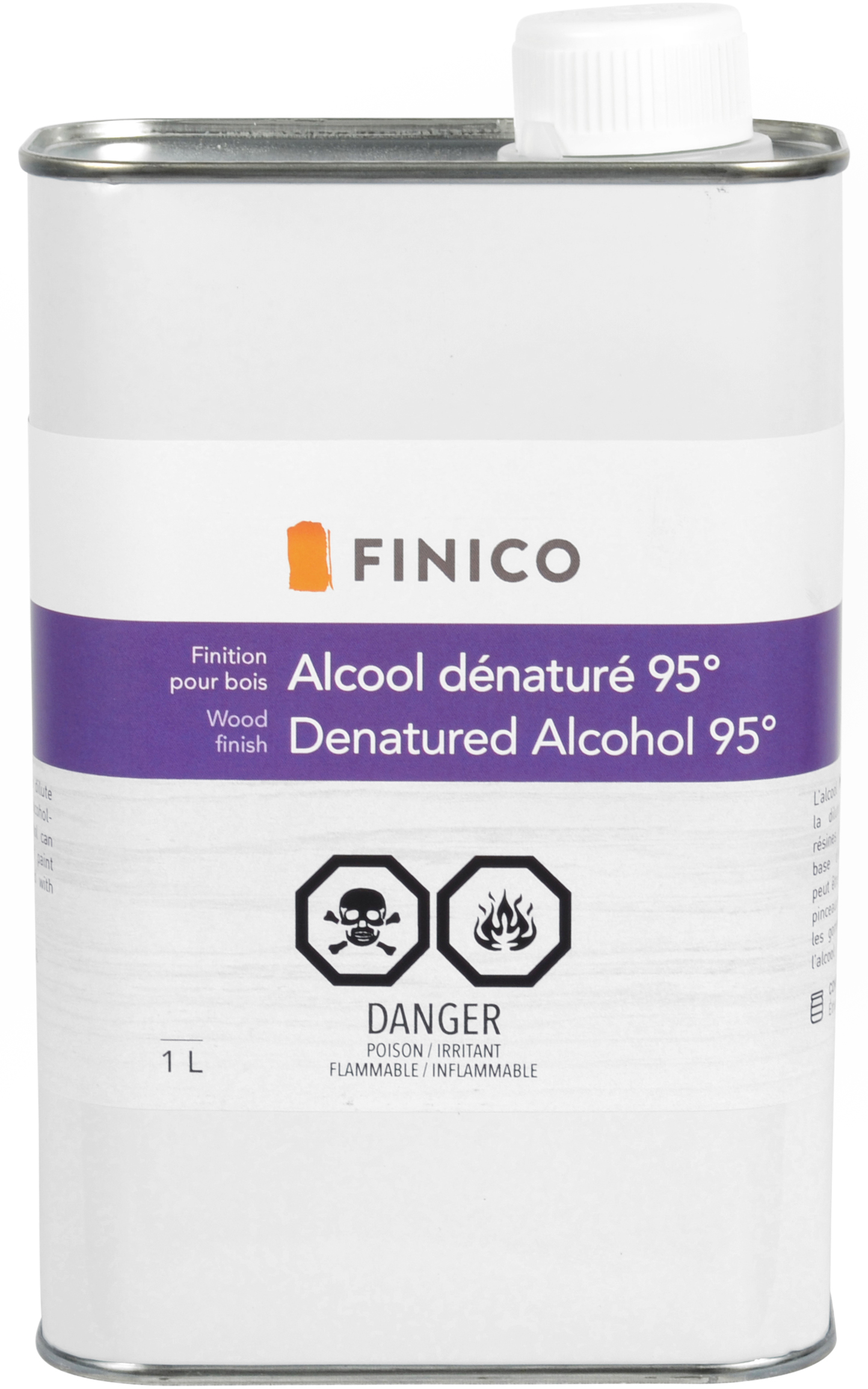
While denatured alcohol offers numerous benefits, it’s crucial to handle it with care due to its flammable nature:
- Flammability: Denatured alcohol is highly flammable and should be stored away from heat, open flames, and sparks. Adequate ventilation is essential during use.
- Skin and Eye Irritant: Denatured alcohol can irritate skin and eyes, causing redness, dryness, and discomfort. Always wear gloves and eye protection when handling it.
- Inhalation: Prolonged exposure to denatured alcohol fumes can cause dizziness, headaches, and respiratory problems. Ensure proper ventilation and avoid inhaling the fumes.
- Storage: Store denatured alcohol in tightly sealed containers in a cool, dry place, away from direct sunlight.
Advantages and Disadvantages of Denatured Alcohol in Car Paint
Advantages:
- Cost-Effective: Denatured alcohol is a relatively inexpensive solvent compared to other paint thinners, making it a budget-friendly option.
- Versatile: It serves multiple purposes in car painting, from cleaning and preparation to thinning and diluting.
- Quick Drying: Its rapid evaporation rate allows for faster drying times, reducing the risk of dust contamination and speeding up the painting process.
Disadvantages:
- Flammable: Its high flammability requires careful handling and storage to prevent accidents.
- Potential Damage: While effective for cleaning and thinning, denatured alcohol can damage certain car paint finishes, especially older or sensitive ones. Always test it on an inconspicuous area before applying it to the entire surface.
- Toxicity: Denatured alcohol can be toxic if ingested or absorbed through the skin. Proper handling and safety precautions are crucial.
Alternatives to Denatured Alcohol in Car Paint
While denatured alcohol offers a convenient solution, alternative solvents and cleaning agents are available:
- Mineral Spirits: A common paint thinner that is less volatile than denatured alcohol, making it safer to handle.
- Acetone: A powerful solvent used for removing paint, adhesives, and other residues. It’s more aggressive than denatured alcohol and should be used with caution.
- Lacquer Thinner: A specialized thinner designed for lacquers, offering a more controlled thinning process.
- Soap and Water: For basic cleaning, soap and water can effectively remove dirt and grime from car surfaces before painting.
Choosing the Right Solvent for Your Needs
Selecting the appropriate solvent for your car painting project depends on several factors:
- Type of Paint: Different paints require specific thinners. Consult the paint manufacturer’s instructions for recommended solvents.
- Application Method: The chosen solvent should be compatible with the application method, such as brush, roller, or spray gun.
- Surface Type: Consider the type of surface you’re working with and choose a solvent that won’t damage it.
Conclusion
Denatured alcohol proves to be a valuable tool in the world of car painting, offering various applications from cleaning to thinning. Its cost-effectiveness, versatility, and quick drying time make it a popular choice for professionals and DIY enthusiasts alike. However, its flammability and potential damage to certain paint finishes necessitate careful handling and proper precautions. By understanding its properties, advantages, and disadvantages, you can utilize denatured alcohol effectively and safely in your car painting endeavors.
Remember to prioritize safety, use appropriate protective gear, and always test any solvent on an inconspicuous area before applying it to the entire surface. With proper knowledge and responsible usage, denatured alcohol can significantly enhance your car painting experience.
[Diagram: Denatured Alcohol Applications in Car Paint]
| ** | Application | Description | Precautions |
|---|---|---|---|
| Surface Preparation | Removing grease, oil, dirt, and contaminants from car surfaces before painting. | Wear gloves and eye protection. Ensure adequate ventilation. | |
| Cleaning Paintbrushes and Spray Guns | Removing dried paint and preventing clogging. | Avoid inhaling fumes. Store denatured alcohol in a safe place. | |
| Removing Overspray | Removing overspray from car parts, windows, and other surfaces. | Test on an inconspicuous area before applying to the entire surface. | |
| Thinner for Lacquers and Enamels | Adjusting viscosity for easier application and smoother paint flow. | Follow paint manufacturer’s instructions for recommended thinning ratios. | |
| Adjusting Paint Consistency | Achieving desired effects like layering or glazing. | Use in a well-ventilated area. Avoid contact with skin and eyes. | |
| Removing Stickers and Decals | Weakening adhesive for easier removal. | Test on an inconspicuous area before applying to the entire surface. | |
| Removing Paint from Plastic | Removing paint from plastic parts, but with caution as it can damage certain plastics. | Test on an inconspicuous area before applying to the entire surface. |
[Diagram: Safety Precautions for Using Denatured Alcohol]
| ** | Safety Measure | Description |
|---|---|---|
| Flammability | Store denatured alcohol away from heat, open flames, and sparks. | |
| Skin and Eye Irritant | Wear gloves and eye protection when handling denatured alcohol. | |
| Inhalation | Ensure proper ventilation and avoid inhaling fumes. | |
| Storage | Store denatured alcohol in tightly sealed containers in a cool, dry place, away from direct sunlight. |
[Diagram: Alternatives to Denatured Alcohol in Car Paint]
| ** | Alternative | Description |
|---|---|---|
| Mineral Spirits | A common paint thinner that is less volatile than denatured alcohol. | |
| Acetone | A powerful solvent used for removing paint, adhesives, and other residues. | |
| Lacquer Thinner | A specialized thinner designed for lacquers. | |
| Soap and Water | For basic cleaning, soap and water can effectively remove dirt and grime from car surfaces before painting. |
Denatured Alcohol: Your Guide to Uses, Precautions, and Car Paint Applications
Post a Comment for "Denatured Alcohol Car Paint: Uses And Precautions"