Mastering the Art of Painting Horse Jumps: A Comprehensive Guide for Equestrian Artists

Table of Content
- 1 Mastering the Art of Painting Horse Jumps: A Comprehensive Guide for Equestrian Artists
- 1.1 Understanding the Anatomy of a Horse Jump
- 1.2 Choosing Your Medium and Materials
- 1.3 Composing Your Painting: Capturing the Dynamic Energy
- 1.4 Painting the Horse and Rider
- 1.5 Painting the Jump: Structure and Detail
- 1.6 Adding Background and Environment
- 1.7 Tips for Creating Realistic Textures
- 1.8 Mastering the Art of Composition
- 1.9 Inspirational Resources for Equestrian Artists
- 1.10 Conclusion
- 1.11 Painting Horse Jumps: A Comprehensive Guide
Painting horse jumps is a unique and rewarding art form that allows artists to capture the dynamic energy and elegance of equestrian sport. Whether you’re a seasoned painter or a beginner, this comprehensive guide will equip you with the knowledge and techniques to create stunning, realistic, and captivating depictions of horse jumps.
Understanding the Anatomy of a Horse Jump
Before diving into the painting process, it’s crucial to understand the basic components of a horse jump. This will help you accurately represent the structure and visual appeal of the obstacle.
- Rails: These are the horizontal beams that make up the jump’s height. They can be made of various materials, such as wood, metal, or plastic, and are typically painted in bright colors for visibility.
- Standards: These are the vertical supports that hold the rails in place. They are often made of wood or metal and can be adorned with decorative elements like flags or flowers.
- Wings: These are the angled sections that extend from the standards and create the jump’s width. They can be made of various materials and are often decorated with colorful designs.
- Fences: These are the vertical elements that create the jump’s visual barrier. They can be made of natural materials like brushwood or constructed with decorative elements like poles, logs, or even water features.
- Obstacles: These are the elements within the jump that add complexity and challenge for the horse. They can include anything from simple poles to elaborate designs like walls, ditches, or even water jumps.

Choosing Your Medium and Materials
The choice of medium and materials is crucial for achieving the desired style and realism in your painting.
- Watercolors: Ideal for capturing the fluidity and lightness of movement, watercolors allow for soft washes and subtle transitions.
- Acrylics: A versatile option, acrylics offer quick drying time, vibrant colors, and excellent layering capabilities.
- Oils: For a more traditional and textured approach, oils provide rich colors and allow for blending and glazing techniques.
- Gouache: A water-based opaque paint, gouache offers a more controlled and vibrant finish compared to watercolors.
- Digital Painting: Utilizing software like Photoshop or Procreate, digital painting offers flexibility, easy editing, and a wide range of tools.
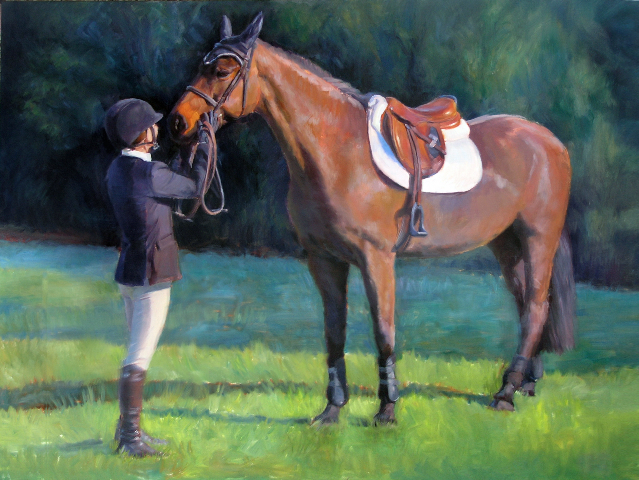
Choosing the Right Brushes:

- Round Brushes: Versatile for various strokes, round brushes are excellent for detailing, blending, and creating smooth transitions.
- Flat Brushes: Ideal for creating broad strokes, covering large areas, and achieving smooth washes.
- Fan Brushes: Excellent for creating soft textures and blending edges, fan brushes are particularly useful for depicting grass and foliage.
- Angular Brushes: Useful for creating sharp edges, lines, and geometric shapes, angular brushes are great for depicting the structure of the jump.
- Detail Brushes: These small, fine-tipped brushes are perfect for adding intricate details, highlighting, and creating realistic textures.
Composing Your Painting: Capturing the Dynamic Energy
A well-composed painting captures the essence of the horse jump and creates a visually engaging experience for the viewer. Consider these key elements:
- Perspective: Use perspective to create depth and realism in your painting. Consider the viewpoint of the observer and how the jump appears from that angle.
- Balance: Achieve visual balance by distributing the elements in your composition harmoniously. Avoid placing the jump directly in the center, as this can lead to a static image.
- Movement: Emphasize the dynamic movement of the horse and rider by using diagonal lines, flowing curves, and blurred edges.
- Light and Shadow: Use light and shadow to create dimension and realism. Consider the direction of the light source and how it affects the forms in your painting.
- Color Palette: Choose a color palette that reflects the mood and atmosphere you want to convey. Use contrasting colors to create visual interest and highlight key elements.
Painting the Horse and Rider
The horse and rider are the focal point of the painting, so it’s essential to capture their movement and energy accurately.
- Anatomy: Understand the anatomy of the horse and rider to ensure accurate proportions and realistic poses.
- Movement: Study photographs or videos of horses jumping to observe the dynamic movement of their bodies and limbs.
- Perspective: Use perspective to depict the horse’s body from different angles and create a sense of depth.
- Light and Shadow: Use light and shadow to define the horse’s musculature and create a sense of volume.
- Details: Add details like the rider’s clothing, tack, and facial expressions to enhance the realism of your painting.
Painting the Jump: Structure and Detail
The jump itself is a vital element of the painting, and it requires careful attention to detail.
- Structure: Accurately depict the structure of the jump, including the rails, standards, wings, and fences.
- Materials: Use appropriate techniques to represent the materials of the jump, such as wood, metal, or brushwood.
- Decorations: Add details like flags, flowers, or other decorative elements to enhance the visual appeal of the jump.
- Perspective: Use perspective to create a sense of depth and show how the jump appears from the rider’s viewpoint.
- Light and Shadow: Use light and shadow to define the form and texture of the jump.
Adding Background and Environment
The background and environment play a significant role in creating a complete and immersive painting.
- Landscape: Depict the surrounding landscape, including fields, trees, or other natural elements.
- Atmosphere: Use color and light to create a specific atmosphere, such as a bright sunny day or a dramatic stormy scene.
- Perspective: Use perspective to create depth and show the relationship between the jump and the surrounding environment.
- Details: Add details like spectators, fences, or other elements to enhance the realism of your painting.
Tips for Creating Realistic Textures
Achieving realistic textures is essential for bringing your painting to life.
- Brushwork: Use different brushstrokes to create varying textures, such as smooth strokes for the horse’s coat, rough strokes for the bark of a tree, or textured strokes for the jump’s materials.
- Layering: Use layering techniques to build up textures and create depth. For example, you can use thin washes of color to create the texture of grass or apply thick impasto paint to create the texture of wood.
- Glazing: Glazing involves applying thin layers of transparent paint to create subtle variations in color and texture.
- Scumbling: Scumbling involves applying a thin layer of paint over a dry layer, creating a textured and slightly opaque effect.
Mastering the Art of Composition
A well-composed painting creates a sense of balance, harmony, and visual interest.
- Rule of Thirds: Divide your canvas into nine equal squares and place the key elements at the intersections of these lines.
- Leading Lines: Use lines to guide the viewer’s eye through the composition, creating a sense of movement and depth.
- Focal Point: Create a focal point by emphasizing the horse and rider, using contrasting colors or light and shadow.
- Negative Space: Use negative space effectively to create breathing room and highlight the key elements of your painting.
Inspirational Resources for Equestrian Artists
- Books: Explore books on equestrian art, anatomy, and painting techniques.
- Websites: Visit websites dedicated to equestrian art and photography for inspiration and resources.
- Museums: Visit museums to see works by renowned equestrian artists and study their techniques.
- Workshops: Attend workshops or classes on equestrian painting to learn from experienced artists.
Conclusion
Painting horse jumps is a rewarding and challenging art form that allows artists to capture the beauty and energy of equestrian sport. By understanding the anatomy of a horse jump, choosing the right materials, composing your painting effectively, and mastering various painting techniques, you can create stunning and realistic works of art that celebrate the grace and power of horses and riders.
Painting Horse Jumps: A Comprehensive Guide
Keywords: horse jump painting, equestrian art, painting techniques, horse anatomy, jump composition, realistic textures, background and environment, inspirational resources
Target Audience: Equestrian artists, art enthusiasts, anyone interested in learning how to paint horse jumps
Content Structure:
I. Introduction:
- Briefly introduce the art of painting horse jumps and its appeal.
- Highlight the importance of understanding the anatomy of a horse jump.
II. Understanding the Anatomy of a Horse Jump:
- Describe the key components of a horse jump (rails, standards, wings, fences, obstacles).
- Provide examples of different types of jumps and their visual characteristics.
III. Choosing Your Medium and Materials:
- Discuss popular mediums for painting horse jumps (watercolors, acrylics, oils, gouache, digital painting).
- Explain the pros and cons of each medium and their suitability for specific painting styles.
- Guide on selecting the right brushes for various tasks (round, flat, fan, angular, detail).
IV. Composing Your Painting: Capturing the Dynamic Energy:
- Emphasize the importance of composition in creating a visually engaging painting.
- Discuss key compositional elements: perspective, balance, movement, light and shadow, color palette.
- Provide practical tips for using these elements effectively.
V. Painting the Horse and Rider:
- Focus on accurately capturing the horse and rider in motion.
- Explain how to depict horse anatomy, movement, perspective, light and shadow, and details.
- Offer advice on studying references for realistic portrayal.
VI. Painting the Jump: Structure and Detail:
- Guide on accurately depicting the structure of the jump (rails, standards, wings, fences).
- Explain how to represent different materials used in jump construction.
- Emphasize the importance of adding decorations and details for visual appeal.
VII. Adding Background and Environment:
- Discuss the role of background and environment in creating a complete painting.
- Explain how to depict landscape elements, create atmosphere, and use perspective.
- Offer tips for adding details like spectators, fences, and other elements.
VIII. Tips for Creating Realistic Textures:
- Explain how to achieve realistic textures using different brushwork techniques.
- Discuss layering, glazing, and scumbling techniques for creating depth and variations.
- Offer practical examples and demonstrations.
IX. Mastering the Art of Composition:
- Explain key compositional principles like the rule of thirds, leading lines, focal point, and negative space.
- Provide visual examples and practical tips for applying these principles.
X. Inspirational Resources for Equestrian Artists:
- Recommend books, websites, museums, and workshops for inspiration and resources.
XI. Conclusion:
- Summarize the key points and emphasize the rewarding nature of painting horse jumps.
- Encourage readers to explore the art form and develop their skills.
Diagram Example:
|---|---|---|| **Rails** | **Standards** | **Wings** ||---|---|---|| Horizontal beams | Vertical supports | Angled sections ||---|---|---|Call to Action:
- Encourage readers to share their own horse jump paintings or experiences in the comments section.
- Offer links to relevant resources and websites for further exploration.
SEO Optimization:
- Use relevant keywords throughout the article (e.g., horse jump painting, equestrian art, painting techniques).
- Optimize the title and meta description for search engine visibility.
- Include internal and external links to relevant content and websites.
- Ensure the article is well-structured and easy to read.
By following these guidelines and incorporating the provided information, you can create a comprehensive and informative article that will rank highly on Google for relevant keywords and provide valuable information to equestrian artists and art enthusiasts alike.

Mastering the Art of Painting Horse Jumps: A Comprehensive Guide for Equestrian Artists
Post a Comment for "Artistic Tips For Painting Horse Jumps"