Oil Paintings of Nature: Capturing the Great Outdoors
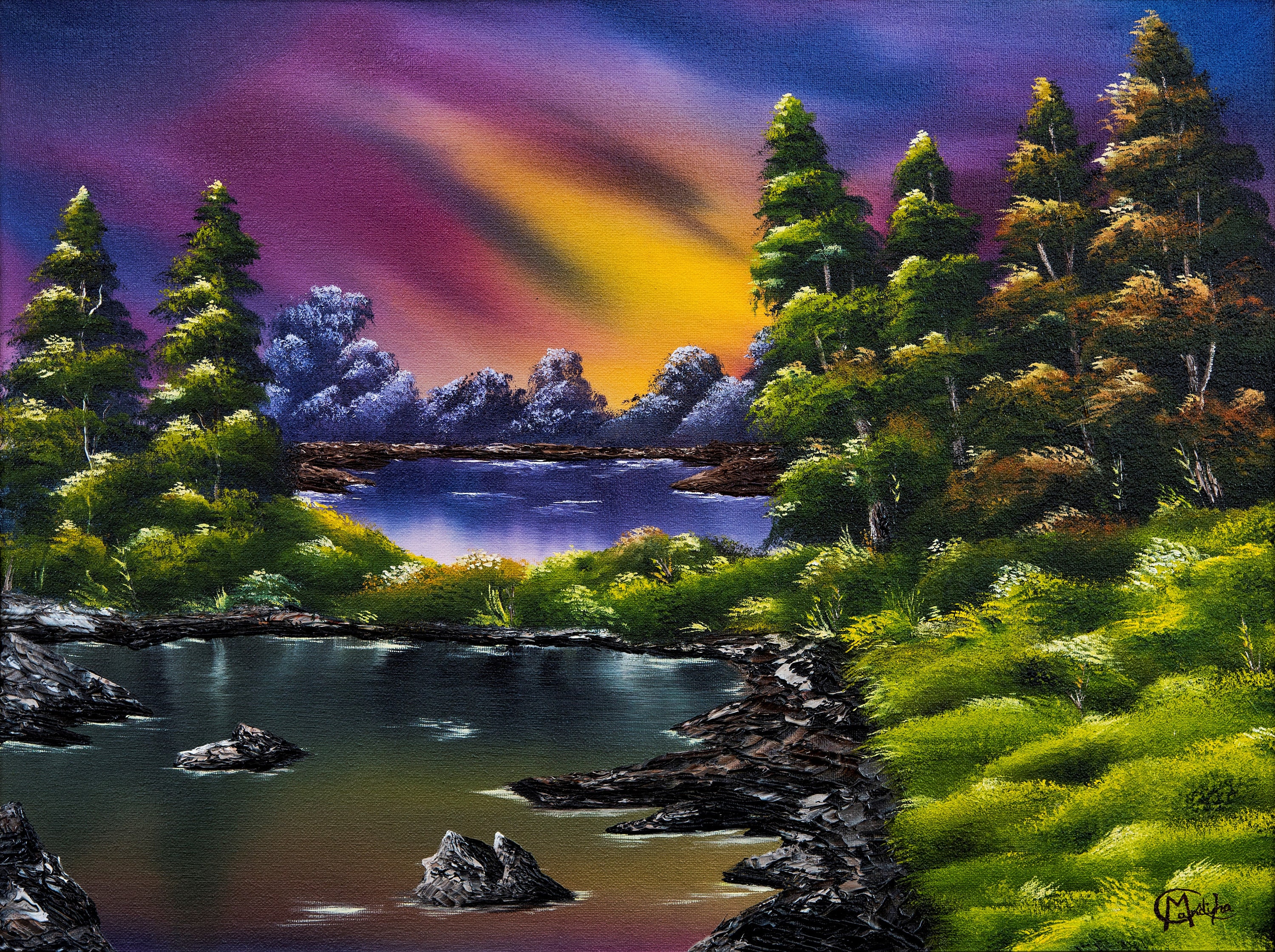
Table of Content
The world of art is filled with a diverse range of mediums, each with its own unique qualities and capabilities. Among them, oil painting stands out as a timeless and versatile medium, particularly when it comes to capturing the beauty and grandeur of the natural world.
Oil paints, with their rich colors, smooth textures, and ability to blend seamlessly, offer artists an unparalleled canvas to express the nuances and complexities of landscapes, flora, fauna, and the interplay of light and shadow. From the delicate brushstrokes that depict the gentle sway of a meadow to the bold strokes that capture the dramatic force of a stormy sea, oil paintings have the power to transport viewers into the heart of nature, evoking a sense of wonder and awe.
This article will delve into the captivating world of oil paintings of nature, exploring the artistic techniques, historical influences, and enduring appeal of this genre. We will examine the diverse subjects that inspire artists, from serene landscapes to bustling wildlife, and the various styles and approaches that artists employ to capture the essence of the natural world.
The History of Oil Painting Nature
The history of oil painting nature is deeply intertwined with the evolution of landscape painting itself. While early civilizations depicted nature in their art, it was not until the Renaissance that landscape painting emerged as a distinct genre. Artists like Leonardo da Vinci and Albrecht Dürer began to incorporate natural elements into their compositions, emphasizing the beauty and detail of the natural world.
The 17th century witnessed the rise of Dutch landscape painting, characterized by its meticulous realism and focus on capturing the everyday scenes of the Dutch countryside. Artists like Jacob van Ruisdael and Meindert Hobbema became renowned for their depictions of windmills, rivers, and forests, often imbued with a sense of tranquility and solitude.
The 19th century saw the emergence of Romanticism, a movement that emphasized emotion and imagination in art. Romantic landscape painters, such as Caspar David Friedrich and J.M.W. Turner, sought to convey the sublime and awe-inspiring aspects of nature, often using dramatic lighting, sweeping compositions, and evocative brushstrokes.
The Techniques of Oil Painting Nature
Oil painting is a complex and multifaceted process that requires a deep understanding of color theory, composition, and brushwork. Artists working in this medium typically use a combination of oil paints, solvents, and mediums to achieve the desired effects.
1. Preparation: The first step in oil painting is preparing the canvas. Artists traditionally use linen or cotton canvas, which is stretched over a wooden frame. The canvas is then primed with a layer of gesso, a white, chalk-based paint that creates a smooth surface for painting.

2. Underpainting: An underpainting is a thin layer of paint applied to the canvas before the main layers of paint. It helps to establish the overall composition and tone of the painting, and can be used to create a sense of depth and atmosphere.
3. Layering: Oil paints are typically applied in thin layers, allowing each layer to dry before the next is applied. This technique allows artists to build up the colors and textures of their paintings gradually, creating a sense of depth and luminosity.
4. Glazing: Glazing is a technique that involves applying thin, transparent layers of paint over the underlying layers. Glazes can be used to create subtle color shifts, add depth, or create a luminous effect.
5. Scumbling: Scumbling is a technique that involves applying paint in a loose, broken manner, creating a textured and uneven surface. It can be used to add a sense of movement or to depict the texture of foliage or rock formations.
6. Impasto: Impasto is a technique that involves applying thick layers of paint, creating a textured and almost sculptural effect. It can be used to emphasize certain elements of the painting or to create a sense of energy and movement.

7. Palette Knife: A palette knife is a tool used to mix and apply paint. It can be used to create bold strokes, smooth textures, or to scrape away paint, creating unique effects.
The Subjects of Oil Painting Nature
Oil paintings of nature encompass a vast array of subjects, reflecting the diverse beauty of the natural world.
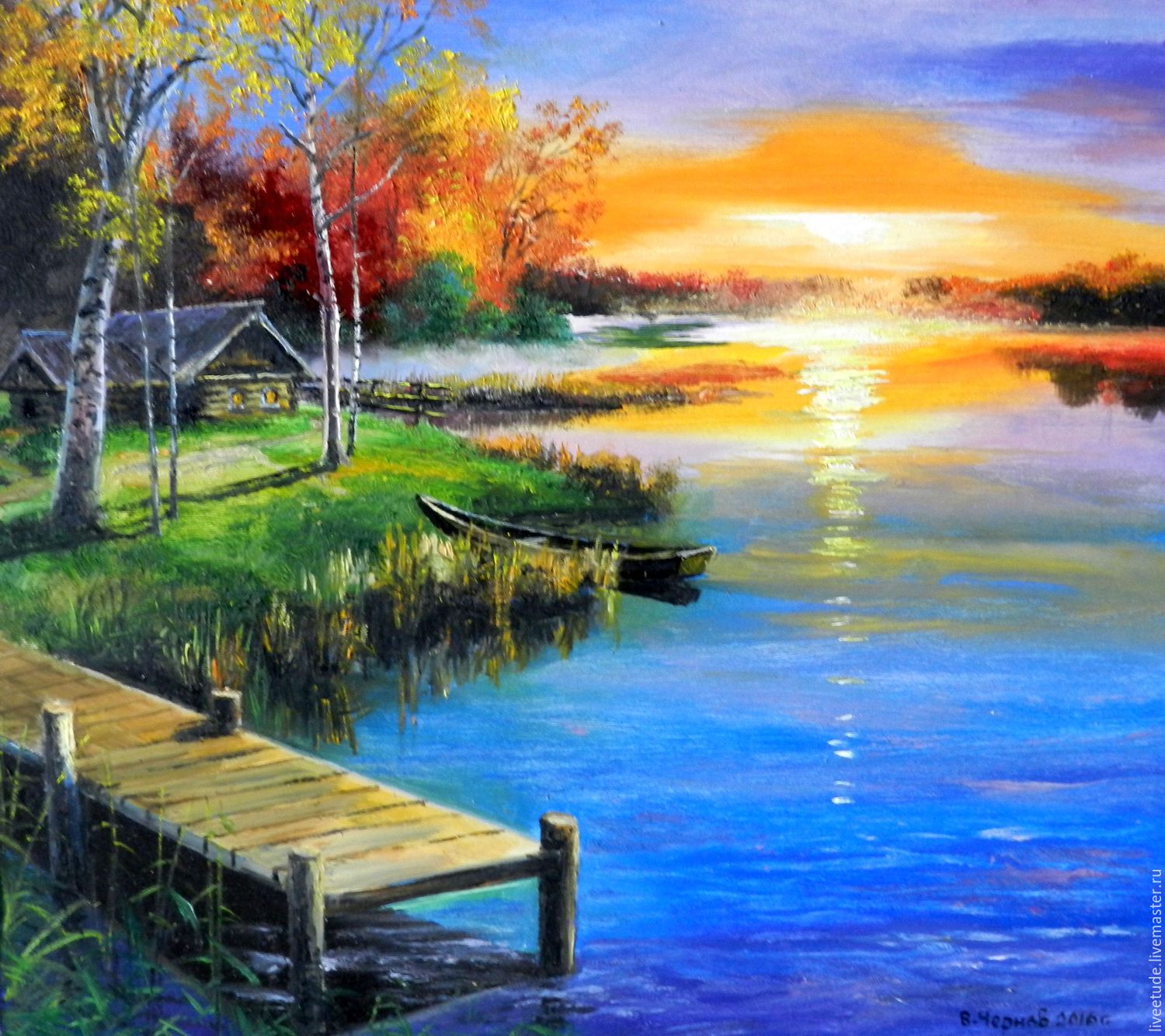
1. Landscapes: Landscapes are perhaps the most common subject of oil painting nature. Artists seek to capture the grandeur of mountains, the serenity of lakes, the rolling hills of valleys, and the vastness of the ocean.
2. Flora: The beauty and diversity of plants have inspired artists for centuries. From delicate wildflowers to towering trees, artists use oil paints to capture the intricate details and vibrant colors of the plant world.
3. Fauna: Animals, both wild and domestic, are another popular subject for oil paintings of nature. Artists strive to capture the grace of birds in flight, the power of predators, the gentleness of domestic animals, and the beauty of wildlife in their natural habitats.
4. Seascapes: The vastness and dynamism of the ocean have long been a source of inspiration for artists. Oil paintings of seascapes capture the swirling waves, the crashing surf, the serene calm of a harbor, and the dramatic beauty of storms at sea.
5. Atmospheric Effects: Light and weather play a crucial role in the visual impact of nature. Oil painters excel at capturing the ethereal glow of a sunrise, the golden hues of a sunset, the dramatic effects of a storm, and the soft light of a misty morning.
The Styles of Oil Painting Nature
Artists have employed a wide range of styles and approaches to capture the essence of nature in oil painting.
1. Realism: Realistic oil paintings of nature strive to depict the world as accurately as possible, emphasizing detail and precision. Artists in this style often use meticulous brushwork, detailed studies of light and shadow, and a careful rendering of textures.
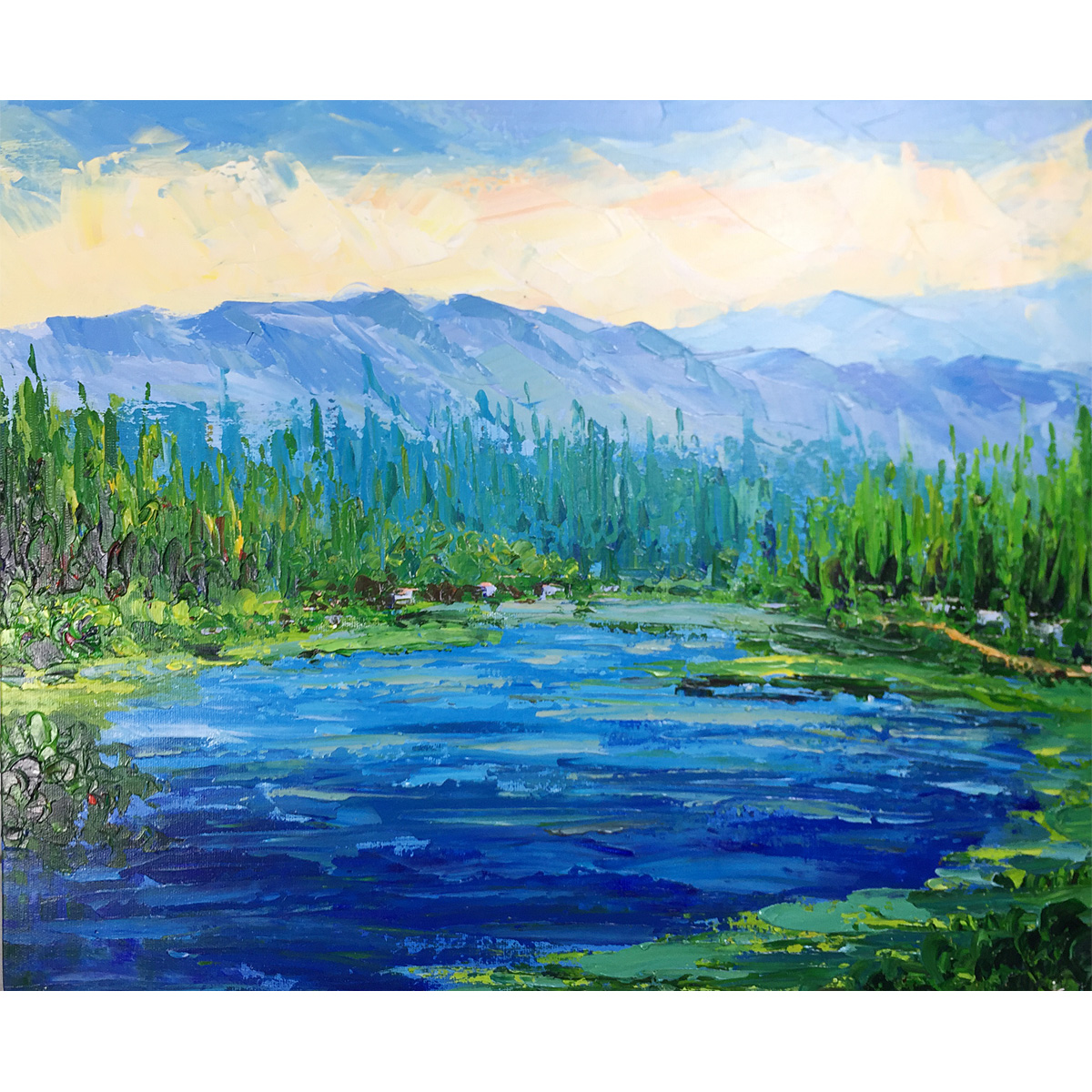
2. Impressionism: Impressionist oil paintings of nature focus on capturing the fleeting moments of light and color. Artists in this style use loose brushstrokes, vibrant colors, and a focus on capturing the subjective experience of the natural world.
3. Expressionism: Expressionist oil paintings of nature prioritize emotional expression over objective representation. Artists in this style often use bold colors, exaggerated forms, and distorted perspectives to convey their personal feelings about the natural world.
4. Abstract Expressionism: Abstract expressionist oil paintings of nature explore the abstract qualities of nature, focusing on form, color, and texture rather than literal representation. Artists in this style often use spontaneous and gestural brushstrokes to create a sense of energy and movement.
5. Surrealism: Surrealist oil paintings of nature blend the real and the imaginary, creating dreamlike and fantastical landscapes. Artists in this style often use unexpected juxtapositions, distorted forms, and symbolic imagery to explore the subconscious mind and the relationship between the human and the natural world.
The Appeal of Oil Painting Nature
Oil paintings of nature hold a timeless appeal for a variety of reasons.
1. Visual Beauty: The vibrant colors, intricate details, and evocative compositions of oil paintings of nature offer a feast for the eyes. They capture the beauty of the natural world in a way that photographs often cannot, conveying the depth, texture, and luminosity of nature.
2. Emotional Resonance: Oil paintings of nature can evoke a wide range of emotions, from tranquility and peace to awe and wonder. They can transport viewers to a place of serenity, inspire a sense of connection with the natural world, and evoke memories of personal experiences in nature.
3. Historical Significance: Oil paintings of nature have played a significant role in the history of art, reflecting the changing perspectives and aesthetics of different eras. They provide a window into the past, offering insights into the ways in which artists have interpreted and represented the natural world throughout history.
4. Cultural Value: Oil paintings of nature are often valued for their cultural significance. They can represent a particular place, time, or cultural tradition, and can be seen as a testament to the enduring power of nature to inspire and awe.
Conclusion
Oil paintings of nature continue to captivate and inspire audiences around the world. From the meticulous realism of Dutch masters to the expressive brushstrokes of modern artists, oil paintings offer a unique and enduring way to experience the beauty and grandeur of the natural world. As we continue to explore and appreciate the diverse forms and styles of oil painting nature, we can gain a deeper understanding of the relationship between art, nature, and the human experience.
Further Reading:
- The Art of Landscape Painting by Andrew Forge
- The Painter’s Eye: How to See and Paint the World Around You by Sarah Simblet
- The Art Spirit by Robert Henri
Diagrams:
| Technique | Description | Diagram |
|---|---|---|
| Layering | Applying thin layers of paint to build up color and texture. | [Diagram of layers of paint on a canvas] |
| Glazing | Applying thin, transparent layers of paint to create subtle color shifts and depth. | [Diagram of a glaze being applied over a base layer] |
| Scumbling | Applying paint in a loose, broken manner to create texture and movement. | [Diagram of scumbling brushstrokes] |
| Impasto | Applying thick layers of paint to create a textured and sculptural effect. | [Diagram of impasto paint application] |
Keywords:
Oil painting, nature, landscape, flora, fauna, seascape, realism, impressionism, expressionism, abstract expressionism, surrealism, technique, style, history, art, beauty, emotion, cultural value.
Oil Paintings of Nature: Capturing the Great Outdoors
Post a Comment for "Oil Paintings Of Nature: Capturing The Great Outdoors"