Choosing an Explosion-Proof Heater for Your Paint Booth: Safety First

Table of Content
Introduction
Maintaining a consistent temperature within your paint booth is crucial for optimal paint application and finish quality. However, the presence of flammable materials like paint and solvents necessitates the use of explosion-proof heaters to ensure safety. This article delves into the essential factors to consider when choosing an explosion-proof heater for your paint booth, providing a comprehensive guide to prioritize safety and efficiency.
Understanding Explosion-Proof Heaters
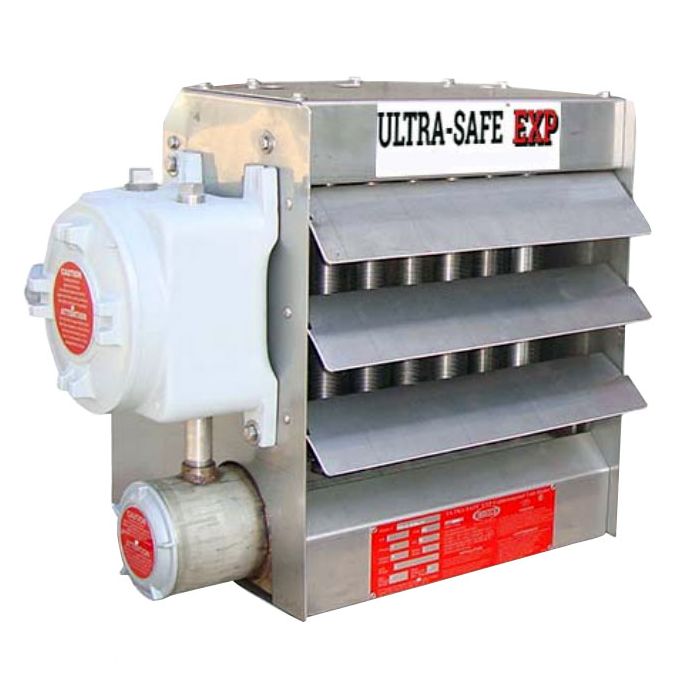
Explosion-proof heaters are specifically designed to operate in hazardous environments where flammable vapors or dust are present. These heaters feature robust enclosures and internal components that prevent ignition sources, like sparks or hot surfaces, from reaching the surrounding atmosphere.
Key Considerations for Choosing an Explosion-Proof Heater
1. Hazardous Area Classification:
- Class I, Division 1: This classification applies to locations where flammable vapors or gases are present continuously or intermittently under normal operating conditions.
- Class I, Division 2: This classification designates locations where flammable vapors or gases are present only under abnormal conditions, such as a leak or spill.
- Class II, Division 1: This classification covers areas where combustible dust is present in the air continuously or intermittently under normal operating conditions.
- Class II, Division 2: This classification applies to areas where combustible dust is present only under abnormal conditions.
2. Temperature Rating:
The temperature rating of the heater should be suitable for the specific temperature requirements of your paint booth. Ensure the heater can maintain the desired temperature range without exceeding the maximum allowable temperature for the paint and materials used.
3. Heat Output:

Calculate the required heat output based on the size and insulation of your paint booth, the desired temperature rise, and the ambient temperature. Oversizing the heater can lead to excessive energy consumption and potential safety hazards.
4. Heater Type:
a. Natural Gas or Propane: These heaters are typically more cost-effective but require access to a gas supply and proper ventilation.
b. Electric: Electric heaters offer clean operation and are suitable for locations without gas lines. However, they may consume more energy and require a sufficient electrical supply.
c. Infrared: Infrared heaters provide targeted heat, reducing overall energy consumption. They are particularly effective for drying applications.

5. Safety Features:
- Flame Detection: Ensure the heater is equipped with a flame detection system to shut off the heater in case of a flameout.
- Overheat Protection: A built-in overheat protection system prevents overheating and potential fires.
- Pressure Relief Valve: This valve releases pressure buildup within the heater, preventing explosions.
- Thermostat Control: Precise temperature control ensures optimal operating conditions.
6. Installation and Maintenance:
- Professional Installation: Always have the heater installed by a qualified technician familiar with explosion-proof equipment.
- Regular Maintenance: Follow the manufacturer’s recommendations for regular maintenance, including cleaning and inspection of the heater.
7. Cost and Energy Efficiency:
Compare the initial cost of different heater models with their operating costs and energy efficiency. Consider factors like fuel consumption, electricity usage, and maintenance requirements.
8. Manufacturer Reputation and Warranty:
Choose a reputable manufacturer with a proven track record of producing reliable and safe explosion-proof heaters. Check for warranty coverage and available support services.
Choosing the Right Heater for Your Needs:
Small Paint Booths:
- Electric Heaters: For small paint booths with limited space and no access to gas lines, electric heaters offer a convenient and safe option.
- Infrared Heaters: Infrared heaters are ideal for spot heating and drying applications, providing energy efficiency and targeted heat.
Medium-Sized Paint Booths:
- Natural Gas or Propane Heaters: These heaters offer a cost-effective solution for medium-sized paint booths with access to gas lines.
- Electric Heaters: Electric heaters are suitable for medium-sized booths with sufficient electrical capacity and no gas line availability.
Large Paint Booths:
- Natural Gas or Propane Heaters: For large paint booths, natural gas or propane heaters provide the necessary heat output and cost-effectiveness.
- Electric Heaters: Electric heaters can also be used for large booths, but they require significant electrical capacity and may be more expensive to operate.
Safety Precautions:
- Never operate an explosion-proof heater without proper ventilation.
- Ensure the heater is installed in a well-ventilated area.
- Inspect the heater regularly for signs of damage or wear.
- Follow the manufacturer’s instructions for operation and maintenance.
Conclusion:
Choosing the right explosion-proof heater for your paint booth is crucial for safety and efficiency. By carefully considering the factors discussed above, you can select a heater that meets your specific needs and ensures a safe and productive work environment. Remember, prioritizing safety should always be paramount when working with flammable materials.
Additional Resources:
- National Fire Protection Association (NFPA): https://www.nfpa.org/
- Occupational Safety and Health Administration (OSHA): https://www.osha.gov/
Diagram:
| Feature | Description ||---|---|| **Hazardous Area Classification** | Class I, Division 1, Class I, Division 2, Class II, Division 1, Class II, Division 2 || **Temperature Rating** | Range of operating temperatures || **Heat Output** | BTU/hour or kW || **Heater Type** | Natural Gas, Propane, Electric, Infrared || **Safety Features** | Flame Detection, Overheat Protection, Pressure Relief Valve, Thermostat Control || **Installation and Maintenance** | Professional Installation, Regular Maintenance || **Cost and Energy Efficiency** | Initial cost, Operating costs, Energy efficiency || **Manufacturer Reputation and Warranty** | Manufacturer reputation, Warranty coverage, Support services |Formal "Our Form" Article
The Ultimate Guide to Selecting the Right Explosion-Proof Heater for Your Paint Booth
Introduction
In the realm of industrial painting and coating applications, maintaining a controlled environment within the paint booth is paramount for achieving optimal results. However, the presence of flammable materials necessitates the use of specialized heating equipment to ensure a safe and efficient operation. This comprehensive guide will delve into the intricacies of choosing an explosion-proof heater, providing you with the knowledge and expertise to make an informed decision for your paint booth.
Understanding the Importance of Explosion-Proof Heaters
Paint booths, by their very nature, harbor a significant risk of fire and explosion due to the presence of volatile solvents and flammable materials. Traditional heaters, designed for standard environments, can pose a serious threat in these hazardous areas. This is where explosion-proof heaters come into play. These specialized heaters are engineered to withstand the potential hazards associated with flammable vapors and dust, mitigating the risk of ignition and ensuring a safe working environment.
Critical Factors to Consider When Selecting an Explosion-Proof Heater
1. Hazardous Area Classification: A Foundation for Safety
The first and foremost consideration when choosing an explosion-proof heater is the hazardous area classification of your paint booth. This classification, determined by the potential presence of flammable vapors or dust, dictates the level of protection required from the heater.
- Class I, Division 1: This classification applies to areas where flammable vapors or gases are present continuously or intermittently under normal operating conditions. These areas require the highest level of protection, and heaters must be designed to withstand the most demanding conditions.
- Class I, Division 2: This classification applies to areas where flammable vapors or gases are present only under abnormal conditions, such as a leak or spill. Heaters in these areas require a lower level of protection than those in Class I, Division 1 locations.
- Class II, Division 1: This classification covers areas where combustible dust is present in the air continuously or intermittently under normal operating conditions. Heaters in these areas must be designed to prevent the ignition of dust particles.
- Class II, Division 2: This classification applies to areas where combustible dust is present only under abnormal conditions. Heaters in these areas require a lower level of protection than those in Class II, Division 1 locations.
2. Temperature Rating: Balancing Safety and Efficiency
The temperature rating of the heater is crucial for ensuring both safety and optimal performance. The heater should be capable of maintaining the desired temperature range within your paint booth without exceeding the maximum allowable temperature for the paint and materials used. Overheating can lead to paint degradation, material damage, and even fire hazards.
3. Heat Output: Matching the Needs of Your Paint Booth
The heat output of the heater should be carefully calculated based on the size and insulation of your paint booth, the desired temperature rise, and the ambient temperature. Oversizing the heater can lead to excessive energy consumption and potential safety hazards, while undersizing can result in inadequate heating and inefficient operation.
4. Heater Type: Choosing the Right Fuel Source
The type of heater you choose will depend on your specific needs and preferences. Here’s a breakdown of common types:
- Natural Gas or Propane: These heaters are typically more cost-effective than electric heaters, especially for larger paint booths. However, they require access to a gas supply and proper ventilation.
- Electric: Electric heaters offer clean operation and are suitable for locations without gas lines. However, they may consume more energy and require a sufficient electrical supply.
- Infrared: Infrared heaters provide targeted heat, reducing overall energy consumption. They are particularly effective for drying applications and can be used in conjunction with other heating methods.
5. Safety Features: Prioritizing Protection
Explosion-proof heaters are equipped with a variety of safety features designed to prevent accidents and ensure safe operation. These features include:
- Flame Detection: This system monitors the flame of the heater and automatically shuts off the heater in case of a flameout, preventing potential hazards.
- Overheat Protection: A built-in overheat protection system prevents the heater from overheating and potentially causing a fire.
- Pressure Relief Valve: This valve releases pressure buildup within the heater, preventing explosions.
- Thermostat Control: This feature allows for precise temperature control, ensuring optimal operating conditions and preventing overheating.
6. Installation and Maintenance: Ensuring Long-Term Performance
Proper installation and regular maintenance are critical for maximizing the lifespan and safety of your explosion-proof heater.
- Professional Installation: Always have the heater installed by a qualified technician familiar with explosion-proof equipment. Improper installation can compromise the safety and efficiency of the heater.
- Regular Maintenance: Follow the manufacturer’s recommendations for regular maintenance, including cleaning and inspection of the heater. This helps prevent malfunctions and ensures continued safe operation.
7. Cost and Energy Efficiency: Balancing Performance with Economy
When choosing an explosion-proof heater, it’s important to consider both the initial cost and the ongoing operating costs.
- Initial Cost: Compare the prices of different heater models to find the most cost-effective option for your budget.
- Operating Costs: Consider the fuel consumption, electricity usage, and maintenance requirements of each heater model to estimate the ongoing operating costs.
- Energy Efficiency: Look for heaters with high energy efficiency ratings to minimize energy consumption and reduce operating costs.
8. Manufacturer Reputation and Warranty: Investing in Quality and Reliability
Choosing a reputable manufacturer with a proven track record of producing reliable and safe explosion-proof heaters is essential for ensuring long-term performance and peace of mind.
- Manufacturer Reputation: Research the manufacturer’s reputation for quality, reliability, and customer support.
- Warranty Coverage: Check the warranty coverage offered by the manufacturer to ensure you are protected against defects and malfunctions.
- Support Services: Consider the availability of support services, such as technical assistance and spare parts, to ensure you have access to timely support in case of issues.
Choosing the Right Heater for Your Specific Needs
The ideal explosion-proof heater for your paint booth will depend on the size of your booth, the type of paint and materials used, and your budget. Here’s a breakdown of recommendations for different paint booth sizes:
Small Paint Booths:
- Electric Heaters: For small paint booths with limited space and no access to gas lines, electric heaters offer a convenient and safe option.
- Infrared Heaters: Infrared heaters are ideal for spot heating and drying applications, providing energy efficiency and targeted heat.
Medium-Sized Paint Booths:
- Natural Gas or Propane Heaters: These heaters offer a cost-effective solution for medium-sized paint booths with access to gas lines.
- Electric Heaters: Electric heaters are suitable for medium-sized booths with sufficient electrical capacity and no gas line availability.
Large Paint Booths:
- Natural Gas or Propane Heaters: For large paint booths, natural gas or propane heaters provide the necessary heat output and cost-effectiveness.
- Electric Heaters: Electric heaters can also be used for large booths, but they require significant electrical capacity and may be more expensive to operate.
Safety Precautions: Always Prioritize Safety
- Never operate an explosion-proof heater without proper ventilation. Adequate ventilation is crucial to prevent the buildup of flammable vapors.
- Ensure the heater is installed in a well-ventilated area. This helps to ensure that any potential combustion products are quickly dispersed.
- Inspect the heater regularly for signs of damage or wear. This helps to identify potential issues early on and prevent accidents.
- Follow the manufacturer’s instructions for operation and maintenance. This ensures that the heater is used and maintained correctly, maximizing its lifespan and safety.
Conclusion: The Path to a Safe and Efficient Paint Booth
Selecting the right explosion-proof heater for your paint booth is a crucial investment in the safety and efficiency of your operation. By carefully considering the factors discussed above, you can choose a heater that meets your specific needs and ensures a safe and productive work environment. Remember, prioritizing safety should always be paramount when working with flammable materials.
Additional Resources: A Wealth of Information at Your Fingertips
- National Fire Protection Association (NFPA): https://www.nfpa.org/
- Occupational Safety and Health Administration (OSHA): https://www.osha.gov/
Diagram:
| Feature | Description ||---|---|| **Hazardous Area Classification** | Class I, Division 1, Class I, Division 2, Class II, Division 1, Class II, Division 2 || **Temperature Rating** | Range of operating temperatures || **Heat Output** | BTU/hour or kW || **Heater Type** | Natural Gas, Propane, Electric, Infrared || **Safety Features** | Flame Detection, Overheat Protection, Pressure Relief Valve, Thermostat Control || **Installation and Maintenance** | Professional Installation, Regular Maintenance || **Cost and Energy Efficiency** | Initial cost, Operating costs, Energy efficiency || **Manufacturer Reputation and Warranty** | Manufacturer reputation, Warranty coverage, Support services |
Choosing an Explosion-Proof Heater for Your Paint Booth: Safety First
Post a Comment for "Choosing An Explosion Proof Heater For Your Paint Booth: Safety First"