Understanding Paint Transfer Between Cars in Accidents: A Comprehensive Guide

Table of Content
- 1 Understanding Paint Transfer Between Cars in Accidents: A Comprehensive Guide
- 1.1 What is Paint Transfer?
- 1.2 How Paint Transfer Happens
- 1.3 Types of Paint Transfer
- 1.4 Significance of Paint Transfer in Accident Investigations
- 1.5 Limitations of Paint Transfer Evidence
- 1.6 Analyzing Paint Transfer
- 1.7 Paint Transfer and Insurance Claims
- 1.8 Conclusion
- 2 Our Form
Paint transfer, the telltale sign of a collision, is a crucial piece of evidence in accident investigations and insurance claims. Understanding the mechanics of paint transfer, its significance, and its limitations is essential for both legal professionals and individuals involved in car accidents.
What is Paint Transfer?
Paint transfer occurs when two vehicles collide, causing a portion of one vehicle’s paint to transfer onto the other. This transfer happens due to the force of the impact, which can scrape or chip the paint off one vehicle and deposit it onto the other. The amount and type of paint transfer can vary significantly depending on the severity of the impact, the types of paint involved, and the angle of the collision.
How Paint Transfer Happens
The process of paint transfer is complex and depends on several factors:
- Impact Force: The greater the force of the impact, the more likely paint transfer is to occur. A high-speed collision can result in significant paint transfer, while a minor fender bender may only leave a few small paint chips.
- Paint Type: Different types of paint have varying levels of adhesion and durability. For example, newer cars often use multi-layered paint systems that are more resistant to chipping and scratching, making paint transfer less likely.
- Angle of Impact: The angle at which the vehicles collide greatly influences the amount of paint transfer. A direct, head-on collision is more likely to result in extensive paint transfer compared to a glancing blow.
- Vehicle Surfaces: The type of surface involved in the impact also plays a role. Paint transfer is more likely to occur on smooth surfaces like bumpers or doors, as opposed to textured surfaces like grills or wheel arches.

Types of Paint Transfer
Paint transfer can be categorized into several types based on its appearance and characteristics:
- Transfer Flakes: These are small, loose paint chips that are easily removed from the surface. They often occur in low-impact collisions and can be difficult to identify.
- Transfer Patches: These are larger areas of paint that adhere to the surface, often with a visible outline. They typically occur in more severe collisions and can be easily identified.
- Transfer Lines: These are thin lines of paint that are transferred along the surface of the vehicle. They often occur in glancing collisions and can be difficult to identify without close inspection.
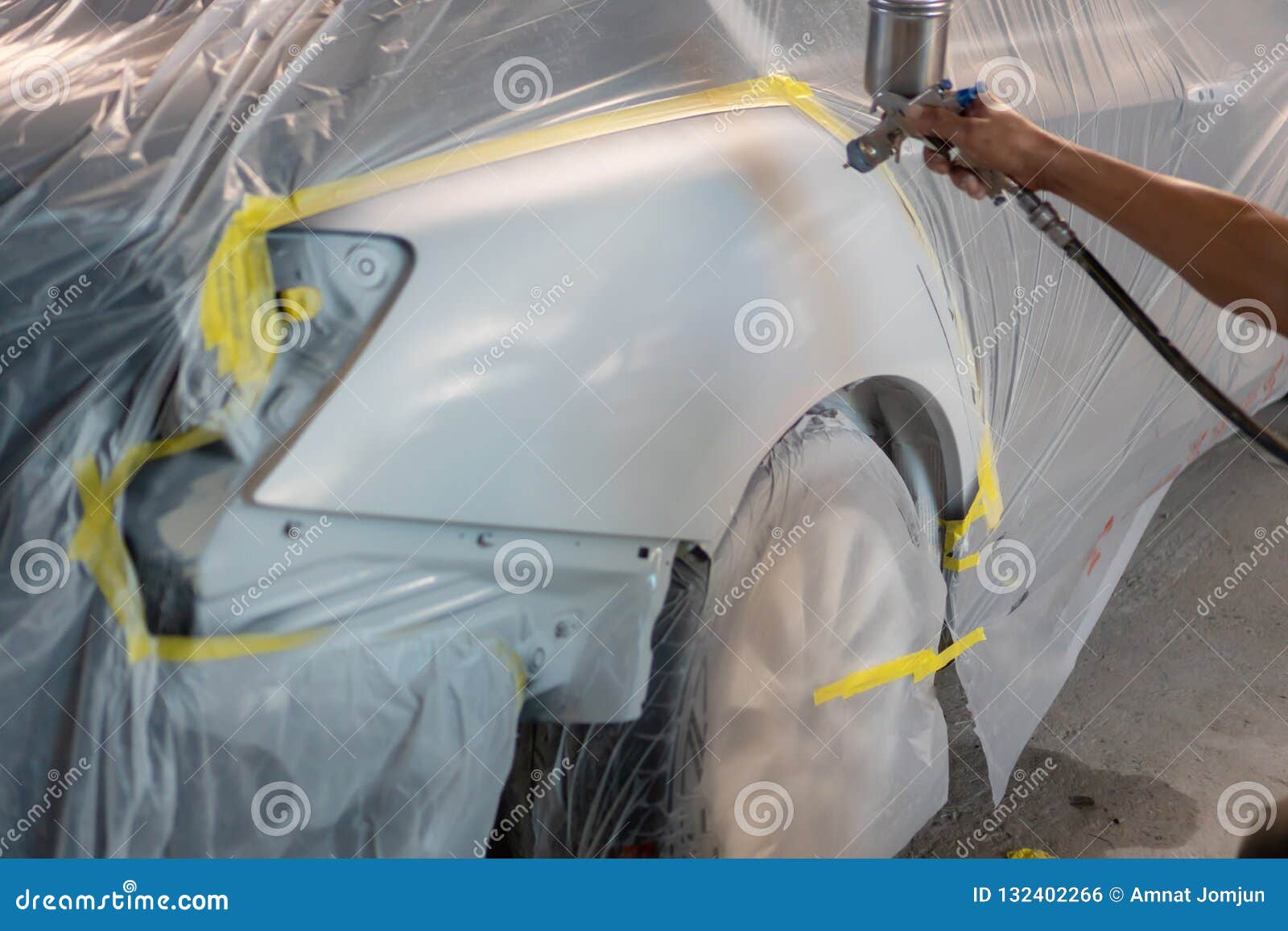
Significance of Paint Transfer in Accident Investigations
Paint transfer serves as a crucial piece of evidence in accident investigations for several reasons:
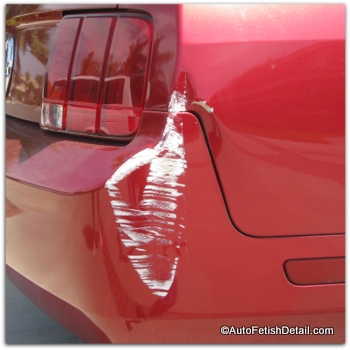
- Confirmation of Contact: Paint transfer provides definitive proof that two vehicles came into contact, even if other evidence is lacking.
- Determining the Angle of Impact: The location and orientation of paint transfer can help investigators determine the angle at which the vehicles collided.
- Identifying the Involved Vehicles: Paint analysis can identify the make, model, and year of the vehicle that left the paint transfer, helping to narrow down potential suspects.
- Reconstructing the Accident: Paint transfer can be used in conjunction with other evidence to reconstruct the sequence of events leading up to the accident.
Limitations of Paint Transfer Evidence
While paint transfer is a valuable piece of evidence, it’s important to understand its limitations:
- False Positives: Paint transfer can sometimes occur due to factors other than a collision, such as parking lot scrapes or accidental contact with another vehicle.
- Paint Degradation: Over time, paint can fade, chip, or peel, making it difficult to determine the age of the paint transfer.
- Transfer Removal: Paint transfer can be removed through cleaning or repair, making it difficult to use as evidence if the vehicles have been cleaned or repaired after the accident.
Analyzing Paint Transfer
Analyzing paint transfer involves several steps:
- Visual Inspection: A thorough visual inspection is the first step in analyzing paint transfer. This involves identifying the location, size, and type of paint transfer.
- Microscopic Analysis: A microscope can be used to examine the paint transfer in detail, allowing investigators to identify the paint layers and determine their origin.
- Chemical Analysis: Chemical analysis can be used to determine the composition of the paint and match it to a specific vehicle.
Paint Transfer and Insurance Claims
Paint transfer plays a significant role in insurance claims by:
- Supporting Claims: Paint transfer can be used to support a claim by providing evidence of a collision.
- Determining Fault: The location and extent of paint transfer can help determine which vehicle was at fault for the accident.
- Estimating Damages: The amount of paint transfer can be used to estimate the severity of the damage to the vehicles involved.
Conclusion
Paint transfer is a powerful piece of evidence in accident investigations and insurance claims. Understanding the mechanics of paint transfer, its significance, and its limitations is crucial for both legal professionals and individuals involved in car accidents. By carefully analyzing paint transfer, investigators can gain valuable insights into the circumstances of an accident and help ensure a fair and just outcome.
Our Form
Understanding Paint Transfer in Car Accidents: A Comprehensive Guide for Drivers and Investigators
Introduction
The presence of paint transfer on a vehicle following a collision is a critical piece of evidence, providing insights into the nature, severity, and even the sequence of events leading up to the accident. This guide delves into the mechanics of paint transfer, its significance in accident investigations, and its role in insurance claims, offering a comprehensive understanding for both drivers and investigators.
The Science Behind Paint Transfer
Paint transfer occurs when the force of an impact causes a portion of one vehicle’s paint to detach and adhere to the surface of another vehicle. This transfer is influenced by several factors:
- Impact Force: The severity of the impact directly correlates with the likelihood and extent of paint transfer. A high-speed collision often results in significant paint transfer, while a minor fender bender may only leave behind a few small paint chips.
- Paint Type: Different paint formulations possess varying degrees of adhesion and durability. Newer vehicles often utilize multi-layered paint systems designed for enhanced resistance to chipping and scratching, making paint transfer less likely.
- Angle of Impact: The angle at which the vehicles collide significantly affects the amount and pattern of paint transfer. A direct, head-on collision is more prone to extensive paint transfer compared to a glancing blow.
- Vehicle Surfaces: The type of surface involved in the impact also plays a role. Smooth surfaces like bumpers and doors are more susceptible to paint transfer than textured surfaces like grills or wheel arches.
Types of Paint Transfer
Paint transfer can be categorized based on its appearance and characteristics:
Transfer Flakes: These are small, loose paint chips that are easily removed from the surface. They often occur in low-impact collisions and can be difficult to identify without close examination.
Transfer Patches: These are larger areas of paint that adhere to the surface, often with a visible outline. They typically occur in more severe collisions and are readily identifiable.
Transfer Lines: These are thin lines of paint that are transferred along the surface of the vehicle. They often occur in glancing collisions and may require careful inspection for detection.
The Significance of Paint Transfer in Accident Investigations
Paint transfer serves as a valuable piece of evidence in accident investigations, offering critical insights:
- Confirmation of Contact: Paint transfer provides irrefutable evidence that two vehicles came into contact, even in the absence of other supporting evidence.
- Determining the Angle of Impact: The location and orientation of paint transfer can help investigators determine the angle at which the vehicles collided, providing valuable information about the dynamics of the accident.
- Identifying the Involved Vehicles: Paint analysis, including microscopic and chemical analysis, can identify the make, model, and year of the vehicle that left the paint transfer, aiding in the identification of potential suspects.
- Reconstructing the Accident: Paint transfer can be used in conjunction with other evidence, such as skid marks, witness statements, and vehicle damage, to reconstruct the sequence of events leading up to the accident.
Limitations of Paint Transfer Evidence
While paint transfer is a powerful piece of evidence, it’s crucial to acknowledge its limitations:
- False Positives: Paint transfer can sometimes occur due to factors other than a collision, such as parking lot scrapes or accidental contact with another vehicle.
- Paint Degradation: Over time, paint can fade, chip, or peel, making it challenging to determine the age of the paint transfer and its relevance to the accident.
- Transfer Removal: Paint transfer can be removed through cleaning or repair, making it difficult to use as evidence if the vehicles have been cleaned or repaired after the accident.
Analyzing Paint Transfer: Techniques and Tools
Analyzing paint transfer involves a systematic approach utilizing various techniques and tools:
- Visual Inspection: A thorough visual inspection is the initial step in analyzing paint transfer. This involves identifying the location, size, type, and pattern of paint transfer.
- Microscopic Analysis: A microscope can be used to examine the paint transfer in detail, allowing investigators to identify the paint layers, their composition, and their origin.
- Chemical Analysis: Chemical analysis can be used to determine the composition of the paint and match it to a specific vehicle, providing a definitive link between the paint transfer and the involved vehicle.
Paint Transfer and Insurance Claims
Paint transfer plays a significant role in insurance claims by:
- Supporting Claims: Paint transfer can be used to support a claim by providing irrefutable evidence of a collision, strengthening the validity of the claim.
- Determining Fault: The location and extent of paint transfer can help determine which vehicle was at fault for the accident, providing valuable information for insurance companies to assess liability.
- Estimating Damages: The amount of paint transfer can be used to estimate the severity of the damage to the vehicles involved, aiding in the assessment of repair costs.
Conclusion
Understanding paint transfer is essential for drivers and investigators alike. It provides valuable evidence that can help determine the cause of an accident, identify the involved vehicles, and support insurance claims. By recognizing the significance of paint transfer and its limitations, drivers and investigators can leverage this evidence effectively to achieve a fair and accurate resolution in accident investigations and insurance claims.
Diagram
| Type of Paint Transfer | Description | Example |
|---|---|---|
| Transfer Flakes | Small, loose paint chips easily removed from the surface. | A few paint chips on a bumper after a minor fender bender. |
| Transfer Patches | Larger areas of paint that adhere to the surface, often with a visible outline. | A significant patch of paint transferred from one car to another after a more severe collision. |
| Transfer Lines | Thin lines of paint transferred along the surface of the vehicle. | A thin line of paint transferred along the side of a car after a glancing blow. |
Keywords: paint transfer, car accidents, accident investigation, insurance claims, evidence, collision, impact force, paint type, angle of impact, vehicle surfaces, transfer flakes, transfer patches, transfer lines, visual inspection, microscopic analysis, chemical analysis, fault determination, damage estimation.
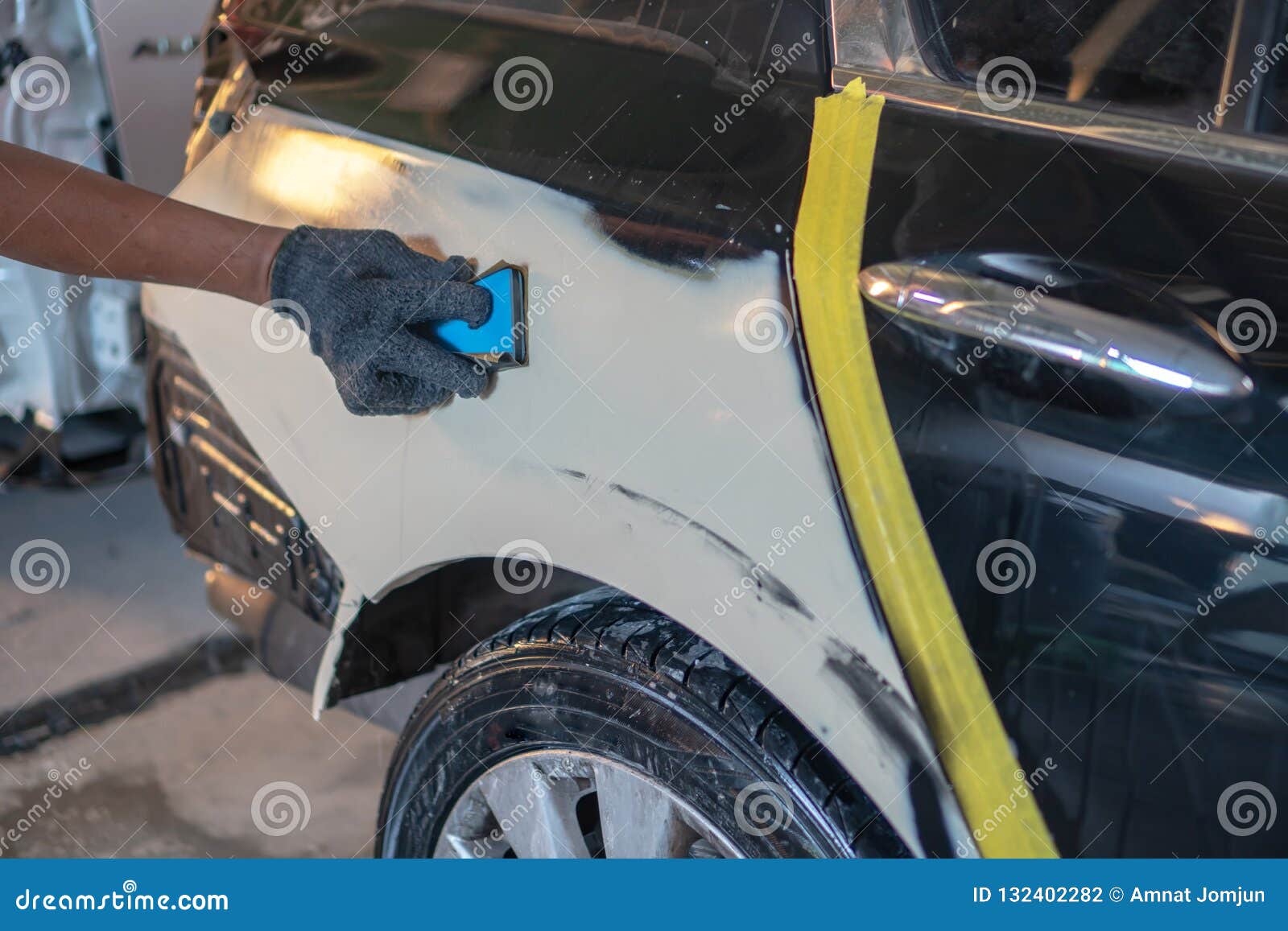
Understanding Paint Transfer Between Cars in Accidents: A Comprehensive Guide
Post a Comment for "Understanding Paint Transfer Between Cars In Accidents"