Burnt Umber Oil Paint: Troubleshooting Common Problems and Achieving Rich, Vibrant Tones

Table of Content
- 1 Burnt Umber Oil Paint: Troubleshooting Common Problems and Achieving Rich, Vibrant Tones
- 1.1 Understanding Burnt Umber: Its Properties and Potential Issues
- 1.2 Troubleshooting Burnt Umber: Practical Solutions for Achieving Desired Results
- 1.3 Advanced Techniques for Achieving Rich and Vibrant Tones with Burnt Umber
- 1.4 Conclusion: Mastering Burnt Umber for Artistic Expression
Burnt umber, a warm, earthy brown, is a staple in any artist’s palette. Its versatility allows for a wide range of applications, from rich shadows to vibrant landscapes. However, like any oil paint, burnt umber can present its own set of challenges, leading to frustrating results. This comprehensive guide will delve into the common problems encountered with burnt umber oil paint and provide practical solutions to ensure your artistic vision is realized.
Understanding Burnt Umber: Its Properties and Potential Issues
Burnt umber is created by heating raw umber, a naturally occurring iron oxide, until it turns a deep, reddish-brown. This process alters its chemical composition, influencing its properties and behavior in oil paint.
Common Burnt Umber Problems:
- Muddy or Dull Tones: Burnt umber can appear muddy or dull when mixed with other colors, especially cool hues. This is often attributed to its inherent warmth and the presence of impurities in the pigment.
- Uneven Drying: Burnt umber, like other oil paints, can dry unevenly, leading to a patchy or textured surface. This is particularly noticeable when applied in thick layers or when the paint is not properly thinned.
- Color Shift: Burnt umber can undergo a subtle color shift as it dries, becoming slightly darker and warmer. This change in hue might not be noticeable in small amounts, but it can affect the overall color balance of a painting.
- Transparency and Opacity: Burnt umber can vary in transparency depending on the manufacturer and the specific pigment used. Some burnt umbers are opaque, providing good coverage, while others are more translucent, allowing underlying layers to show through.

Troubleshooting Burnt Umber: Practical Solutions for Achieving Desired Results
1. Enhancing Color Vibrancy and Avoiding Mud:
- Use a Transparent Medium: A transparent medium, such as linseed oil or walnut oil, helps to enhance the vibrancy of burnt umber by increasing its transparency. This allows the underlying colors to shine through, preventing a muddy appearance.
- Choose a High-Quality Pigment: Opt for a high-quality burnt umber pigment from a reputable manufacturer. These pigments are typically more refined and free of impurities, resulting in brighter and more vibrant colors.
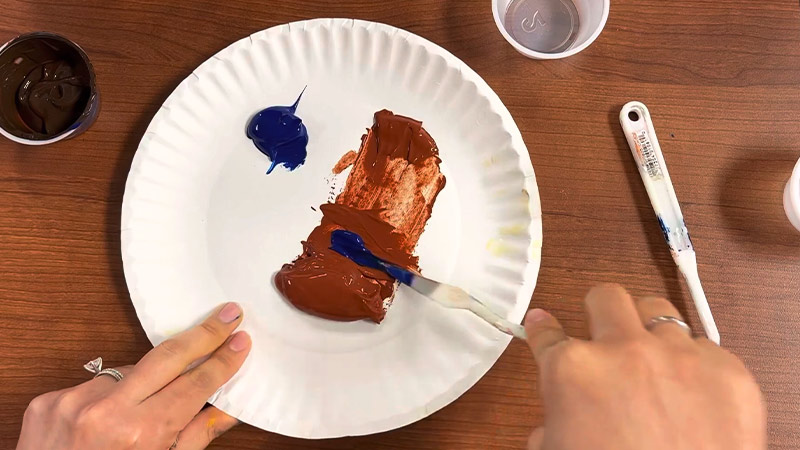
- Mix with Complementary Colors: To counter the warmth of burnt umber, mix it with complementary colors like blue or green. This creates a more balanced and harmonious color palette.
- Use a Limited Palette: When working with burnt umber, consider using a limited palette of colors. This helps to control the overall color harmony and prevent muddy tones from emerging.

2. Achieving Smooth, Even Drying:
- Thin the Paint Properly: Thinning burnt umber with a suitable medium, such as linseed oil, walnut oil, or a dedicated oil paint medium, ensures a smooth and even drying surface.
- Apply Thin Layers: Apply thin layers of burnt umber, allowing each layer to dry thoroughly before applying the next. This prevents the paint from becoming too thick and uneven.
- Use a Palette Knife: A palette knife can be used to apply burnt umber in thin, even layers, creating a smooth and consistent surface.
- Avoid Overworking the Paint: Overworking burnt umber can lead to uneven drying and a textured surface. Work quickly and efficiently, applying the paint with confidence.

3. Understanding and Managing Color Shift:
- Test Color Shift: Before committing to a large area, test the color shift of your burnt umber on a separate surface. This allows you to adjust your color choices accordingly.
- Use a Glaze: A glaze, a thin layer of transparent paint, can be used to modify the color of burnt umber without obscuring the underlying details.
- Experiment with Glazing Mediums: Different glazing mediums, such as dammar varnish or mastic varnish, can affect the color shift of burnt umber. Experiment with different mediums to find the one that best suits your needs.
4. Choosing the Right Burnt Umber for Your Needs:
- Opaque Burnt Umber: For areas that require full coverage, such as backgrounds or solid shapes, choose an opaque burnt umber.
- Transparent Burnt Umber: For creating subtle shadows, glazing effects, or allowing underlying colors to show through, opt for a transparent burnt umber.
5. Troubleshooting Specific Burnt Umber Problems:
- Gritty Texture: If your burnt umber feels gritty or uneven, it may be due to the presence of impurities. Try straining the paint through a fine mesh sieve or using a high-quality pigment.
- Overly Thick Consistency: If your burnt umber is too thick, thin it with a suitable medium. Avoid using too much medium, as this can lead to a weak and brittle film.
- Slow Drying Time: If your burnt umber is drying too slowly, it may be due to the use of an excessive amount of medium or to low humidity levels. Ensure adequate ventilation and consider using a drying agent to speed up the drying process.
Advanced Techniques for Achieving Rich and Vibrant Tones with Burnt Umber
1. Glazing with Burnt Umber:
- Glazing: Glazing is a technique that involves applying thin, transparent layers of paint to create depth, richness, and subtle color variations. Burnt umber is an excellent glazing medium, allowing for gradual transitions and atmospheric effects.
- Glazing Mediums: Various glazing mediums, such as dammar varnish, mastic varnish, or oil-based glazes, can be used to create different effects. Experiment with different mediums to discover their unique characteristics.
- Glazing Techniques: There are various glazing techniques, including wet-on-wet glazing, scumbling, and layering. Each technique produces a distinct effect, allowing for creative exploration.
2. Using Burnt Umber for Shadows:
- Warm Shadows: Burnt umber is an excellent choice for creating warm shadows, adding depth and richness to your paintings.
- Mixing with Other Colors: Mix burnt umber with other colors, such as ultramarine blue or green, to create nuanced and expressive shadows.
- Creating Depth: Burnt umber can be used to create depth and volume in your subjects, adding a sense of realism and dimension.
3. Burnt Umber in Landscapes:
- Earth Tones: Burnt umber is a fundamental color for depicting earth tones in landscapes, capturing the warmth and richness of the natural world.
- Mixing for Variety: Mix burnt umber with other colors, such as ochre, sienna, or cadmium yellow, to create a variety of earthy hues.
- Atmospheric Effects: Burnt umber can be used to create atmospheric effects, such as haze, mist, or distant mountains, adding a sense of depth and perspective.
4. Burnt Umber in Portraits:
- Flesh Tones: Burnt umber can be used to create warm and natural flesh tones, particularly for darker skin tones.
- Shadow Details: Burnt umber can be used to create subtle shadows and contours on the face, adding depth and dimension.
- Mixing for Nuance: Mix burnt umber with other colors, such as cadmium red or burnt sienna, to create a range of flesh tones.
Conclusion: Mastering Burnt Umber for Artistic Expression
Burnt umber, with its versatility and richness, is a powerful tool in the artist’s arsenal. By understanding its properties and troubleshooting common problems, you can harness its potential to create vibrant, expressive, and captivating artwork. Through careful application, experimentation, and a deep understanding of its behavior, burnt umber can become a cherished companion on your artistic journey.
Burnt Umber Oil Paint: Troubleshooting Common Problems and Achieving Rich, Vibrant Tones
Post a Comment for "Troubleshooting Burnt Umber Oil Paint Problems"