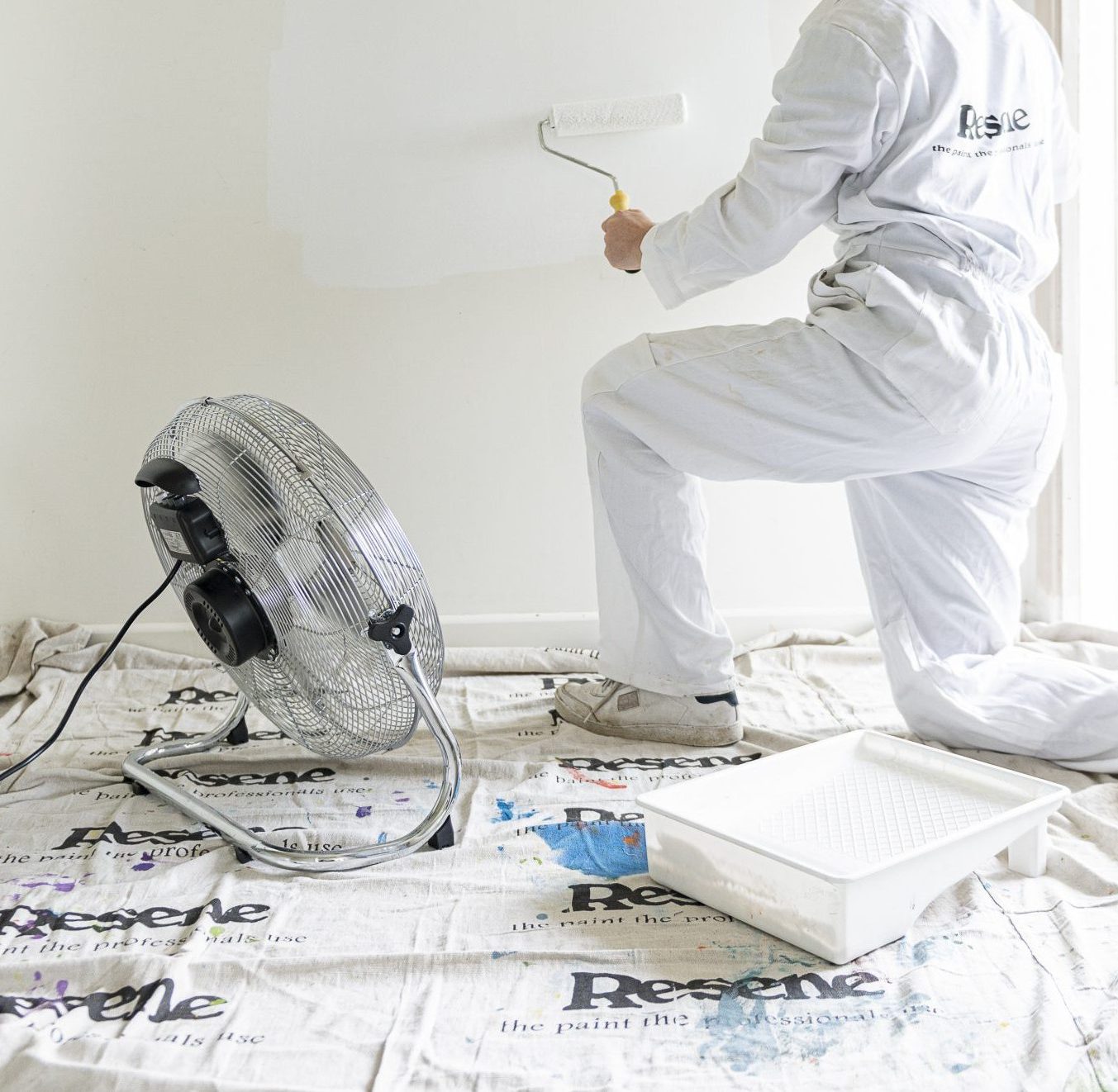
Speed Up Drying: Choosing the Right Paint Drying Fan
Introduction
Painting projects can be time-consuming, especially when waiting for the paint to dry. Fortunately, paint drying fans can significantly accelerate the drying process, saving you time and allowing you to move on to other tasks. However, choosing the right paint drying fan is crucial to ensure optimal performance and safety. This comprehensive guide will provide you with the essential factors to consider when selecting a paint drying fan, empowering you to make an informed decision that meets your specific needs.
Types of Paint Drying Fans
Paint drying fans come in various types, each with its own advantages and disadvantages:
- Axial Fans: These fans have blades that rotate on an axis, creating airflow parallel to the fan’s axis. They are compact and lightweight, making them suitable for small to medium-sized areas.
- Centrifugal Fans: These fans use a rotating impeller to generate airflow perpendicular to the fan’s axis. They are more powerful than axial fans and can handle higher air volumes, making them ideal for larger areas.
- Drum Fans: These fans have a cylindrical shape and are equipped with multiple blades. They provide a wide, oscillating airflow that can cover large areas effectively.
Factors to Consider When Choosing a Paint Drying Fan
When selecting a paint drying fan, several key factors should be taken into account:
- Airflow Capacity: Measured in cubic feet per minute (CFM), airflow capacity indicates the volume of air the fan can circulate. Higher airflow capacity results in faster drying times.
- Coverage Area: Determine the size of the area you need to dry and select a fan with sufficient coverage to ensure even airflow distribution.
- Noise Level: Paint drying fans can generate noise, which can be a concern if used in residential areas or close to sleeping quarters. Consider fans with lower noise levels to minimize disturbance.
- Safety Features: Look for fans with built-in safety features, such as tip-over switches and thermal overload protection, to prevent accidents and ensure safe operation.
- Portability: If you plan to move the fan around, choose a lightweight and portable model with easy-to-grip handles.
- Durability: Consider the durability of the fan’s construction and materials to ensure it can withstand the rigors of painting projects.
Recommended Paint Drying Fans
Based on the factors discussed above, here are some recommended paint drying fans:
| Model | Type | Airflow Capacity (CFM) | Coverage Area (sq. ft.) | Noise Level (dB) | Safety Features | Portability | Durability |
|---|---|---|---|---|---|---|---|
| Luminous LDF1000 | Axial | 1,000 | 1,000 | 60 | Tip-over switch | Yes | Good |
| Vornado 6303 | Centrifugal | 2,200 | 1,500 | 65 | Thermal overload protection | Yes | Excellent |
| Honeywell HTF200B | Drum | 2,500 | 2,000 | 55 | Tip-over switch, thermal overload protection | Yes | Good |
Additional Tips for Using Paint Drying Fans
- Place the fan at a distance of 3-6 feet from the painted surface to ensure optimal airflow.
- Position the fan to blow air across the surface, not directly at it.
- Keep the fan running for several hours after painting to ensure complete drying.
- If using multiple fans, space them evenly to create a uniform airflow pattern.
Conclusion
Choosing the right paint drying fan can significantly enhance your painting projects by accelerating the drying process. By considering the factors outlined in this guide, you can select a fan that meets your specific requirements and ensures efficient and safe operation. Remember to follow the additional tips provided to maximize the effectiveness of your paint drying fan and achieve optimal results.
Post a Comment for "Speed Up Drying: Choosing The Right Paint Drying Fan"